



|
Getting your Trinity Audio player ready...
|
Many people shy away from precious metals IRAs because of lingering misconceptions. Some believe they’re too complex, too pricey, or just for the super wealthy. But honestly, a precious metals IRA can be a practical and pretty straightforward way to diversify retirement savings, as long as you stick to the IRS rules.
If you really dig into the facts, you might realize gold, silver, and other metals can fit neatly into a balanced portfolio. Understanding the truth behind these myths helps you avoid costly mistakes and missed chances.
This article breaks down five common myths and explains how a precious metals IRA actually works. From setup to costs, you’ll see what’s required, what’s optional, and what benefits might apply.
Key Takeaways
- Precious metals IRAs have pretty clear rules and processes.
- They can add diversification and stability to retirement plans.
- Knowing the facts helps sidestep common investing mistakes.
Understanding Precious Metals IRAs

A Precious Metals IRA lets you hold approved gold, silver, platinum, and palladium in a retirement account. This combines the tax perks of an IRA with the option to own physical stuff—not just stocks or bonds.
What Is a Precious Metals IRA?
A Precious Metals IRA is a self-directed IRA that holds physical bullion or coins instead of paper assets. It runs under the same IRS rules as traditional or Roth IRAs, but you’ll need a custodian to manage the account.
The custodian makes sure you follow IRS regulations, especially when it comes to storing your metals. These accounts can hold physical gold, silver, platinum, and palladium that meet certain purity standards.
The metals have to stay in an approved depository—they can’t just sit in your closet at home. People often pick this route to diversify retirement savings and reduce their dependence on the stock market.
Eligible Metals and Products
The IRS only lets you put certain metals and products in a Precious Metals IRA. Approved metals include:
- Gold: At least 99.5% pure (like American Gold Eagle, Canadian Gold Maple Leaf)
- Silver: At least 99.9% pure (such as American Silver Eagle)
- Platinum: At least 99.95% pure
- Palladium: At least 99.95% pure
Both coins and bars qualify if they meet those standards. Proof coins need to be in their original packaging and uncirculated. Rare or collectible coins usually don’t make the cut.
The metals must come from a government mint or an approved refiner. That ensures authenticity and keeps you on the right side of IRS rules, as explained in this precious metals IRA myths guide.
How a Self-Directed IRA Works
A self-directed IRA gives you more control over your investments, including the option to hold physical precious metals. You pick an IRS-approved custodian to handle transactions and keep records.
The custodian works with a dealer to buy the metals and arranges for secure storage in a regulated depository. You can transfer or roll over funds from another IRA or eligible retirement plan into your self-directed account without triggering taxes, as long as you do it right.
Withdrawals follow the same rules as other IRAs, including penalties for early distributions before age 59½. When you take distributions, you can sell the metals for cash or even take physical delivery if you want.
Debunking the Top 5 Myths About Precious Metals IRAs

There’s a lot of confusion about how Precious Metals IRAs work. That confusion sometimes stops people from using a solid retirement strategy.
Clear info on costs, rules, and storage helps investors make decisions that fit their goals.
Myth 1: Only Wealthy Investors Can Open a Precious Metals IRA
A Precious Metals IRA isn’t just for the ultra-wealthy. If you have an eligible retirement account—like a Traditional or Roth IRA—you can roll over or transfer funds into one.
Minimum investments depend on the provider. Some respected custodians let you start with just a few thousand bucks, which opens the door for regular folks who want to diversify.
Unlike collectibles, gold and silver for IRAs are priced by weight and purity, not rarity. This means you can buy in smaller amounts.
Choosing a reputable custodian keeps your account compliant—no need for a huge upfront investment.
Myth 2: Precious Metals IRAs Offer No Tax Benefits
Precious Metals IRAs fall under the same tax rules as other IRAs. Contributions to a Traditional Gold IRA might be tax-deductible, and any growth is tax-deferred until you withdraw it.
Roth Gold IRAs use after-tax contributions, and qualified withdrawals are tax-free. The IRS treats metals in these accounts just like other approved assets.
The important thing is that the metals meet IRS fineness standards and are held by an approved custodian. That way, you get the same tax benefits you’d get with stocks or bonds in a retirement account.
Myth 3: You Can Store IRA Metals at Home
The IRS says you must store IRA-owned precious metals in an approved depository. Keeping them at home doesn’t meet the requirements and could mean the IRS treats your metals as a taxable distribution.
Approved facilities offer secure storage, insurance, and regular audits. This keeps your assets safe and your account compliant.
Some companies push “home storage IRA” promos, but these often mislead people about the legal risks. Only a trusted custodian and authorized depository can keep your account valid under IRS regulations.
Myth 4: Precious Metals IRAs Are Risk-Free Investments
Gold and silver can help protect against inflation and market swings, but they’re not risk-free. Prices move up and down based on supply, demand, and global economic stuff.
Precious metals don’t pay dividends or interest, so your returns depend on price appreciation. They should be part of a diversified portfolio, not the only thing you own for retirement.
It’s smart to balance metals with investments such as stocks, bonds, or mutual funds. Knowing the risks helps keep expectations realistic.
Myth 5: Setting Up a Precious Metals IRA Is Too Complicated
Opening a Precious Metals IRA is similar to starting any self-directed IRA. Usually, you pick a custodian, fund the account, and choose IRS-approved metals.
A good custodian can handle the paperwork, compliance, and work with the depository. That takes the admin headache off your plate.
Rollovers from other retirement accounts can happen without taxes or penalties if you do it right. With clear guidance, most investors find the process pretty straightforward.
Benefits of Including Precious Metals in Your Retirement Portfolio

Precious metals can add a bit of stability to long-term investments by lowering certain risks. They don’t always move in lockstep with stocks and bonds, which helps balance things out when markets get rocky.
Portfolio Diversification
Adding gold, silver, platinum, or palladium to your retirement account can boost portfolio diversification. These metals often don’t track closely with stocks and bonds.
When stock prices drop, precious metals might hold steady or even go up. That can help cushion losses elsewhere in your portfolio.
A precious metals IRA lets you own physical bullion inside a tax-advantaged account, giving you access to tangible assets without selling off other investments.
Diversification isn’t a guarantee of profit, but it can soften the blow if one asset class tanks. Many advisors suggest keeping metals at 5–10% of your portfolio to stay balanced without taking on too much risk.
Hedge Against Inflation and Currency Devaluation
Precious metals can be a hedge against inflation since their value often rises when the cost of living goes up. Unlike paper currency, you can’t just print more metals or devalue them at will.
When currencies lose value, gold and silver usually keep their purchasing power better than cash. That’s pretty appealing if you’re worried about inflation eating away at your savings.
History shows gold prices often climb when inflation does. For retirees, that can help preserve the real value of their assets over the years.
Owning metals through a self-directed IRA gives you this protection while keeping your investments inside a retirement plan.
Safe Haven Asset During Economic Uncertainty
Gold and other precious metals are often seen as safe haven assets during times of economic uncertainty. When markets get shaky—from recessions, geopolitics, or financial crises—investors sometimes run to metals.
This demand can support or even boost their value when other assets are struggling. Precious metals don’t depend on earnings reports or interest payments, so they’re less tied to the ups and downs of the economy.
In volatile markets, metals can act as a store of value. For a lot of folks, that brings peace of mind, knowing part of their portfolio is insulated from sudden downturns.
A diversified retirement portfolio that includes metals can help keep things steady when other investments are under stress.
IRS Rules and Custodian Responsibilities

The IRS sets strict rules about which precious metals you can hold in a retirement account and how you store them. Custodians play a crucial role in making sure you follow the rules and keep your physical assets safe.
IRS Regulations for Precious Metals IRAs
The IRS lets you hold certain types of physical gold, silver, platinum, and palladium in a Precious Metals IRA. These metals have to meet specific fineness standards. For instance, gold needs to be at least 99.5% pure.
Only IRS-approved coins and bars qualify. This list covers American Gold Eagles, Canadian Maple Leafs, and certain gold bars from approved refiners. Collectible or rare coins almost never make the cut.
You must store all metals in an IRS-approved depository. The IRS doesn’t allow you to keep them at home. This helps with security and makes recordkeeping a lot easier.
Annual contribution limits match standard IRA rules. Distributions get taxed based on the IRA type—traditional or Roth. If you want all the details, you can check the full IRS rules for precious metals IRAs.
If you ignore these regulations, you could face penalties, taxes, or even lose the account’s tax-advantaged status. Nobody wants that hassle.
Role of a Reputable Custodian
A reputable custodian—usually a bank, trust company, or approved financial institution—holds your IRA metals for you. They make sure every transaction follows IRS rules.
Key responsibilities include:
- Purchasing approved metals from authorized dealers
- Arranging secure storage in an approved facility
- Maintaining accurate records of holdings and transactions
- Processing distributions in cash or metals when requested
Some custodians focus on precious metals, while others manage a wider variety of assets. Choosing one that knows gold coins and bars inside out can help you avoid headaches and delays.
It’s smart to check a custodian’s licensing, fees, and storage setup before opening an account. The role of custodians in gold and silver IRAs is crucial for compliance and asset protection.
Costs and Fees Associated With Precious Metals IRAs
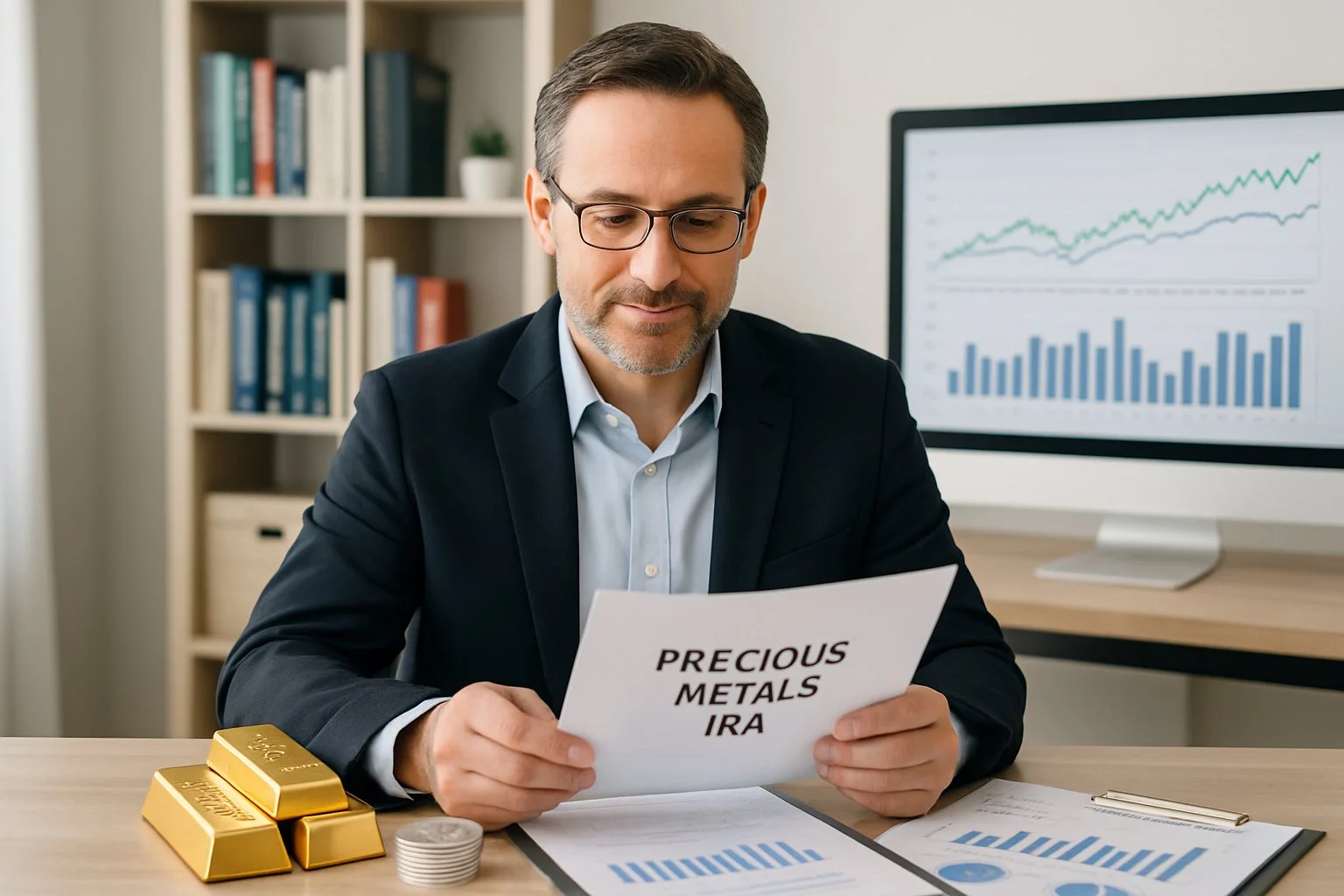
Precious metals IRAs come with unique costs that set them apart from regular retirement accounts. It’s essential to know these expenses up front, so you’re not caught off guard later.
Understanding Setup and Maintenance Fees
Most custodians charge a one-time setup fee to open a precious metals IRA. This usually falls between $50 and $150, depending on the provider. It covers account creation, paperwork, and compliance checks.
Expect annual maintenance fees, too. These range from $75 to $300 per year and pay for account administration, recordkeeping, and customer service. Some custodians offer tiered pricing based on your account value.
You’ll also pay storage fees for the physical gold, silver, or other metals. Approved depositories keep your metals safe and typically charge $100 to $300 per year. The price can change if you want segregated versus non-segregated storage.
You can’t store precious metals IRA assets at home. The IRS says they must stay in an approved facility, which adds to the yearly bill. Good custodians will walk you through these requirements when you open your account.
Transparency in Pricing
A reputable custodian should hand over a clear, itemized fee schedule before you fund your account. This should spell out setup, annual maintenance, storage, and any transaction charges.
Some companies roll everything into a flat annual fee, while others bill each service separately. Knowing the structure makes it easier to compare apples to apples.
Watch out for hidden costs like markups on metals above the market spot price. Dealers can vary a lot here. It’s smart to review purchase agreements and get all charges in writing.
Sticking with providers who value transparent pricing practices helps you avoid surprise expenses and keeps your retirement account cost-effective.
Considerations Before Investing in Precious Metals IRAs

Before jumping in, investors should think about how a Precious Metals IRA fits their retirement goals, the risks in the metals market, and how much of their portfolio should be in tangible assets. These decisions can seriously affect returns, liquidity, and overall stability.
Comparing Precious Metals IRAs to Traditional Retirement Accounts
A Precious Metals IRA lets you own physical gold, silver, platinum, or palladium instead of just paper assets. That can bring some real diversification.
Unlike traditional IRAs, you’ll need a custodian to store the metals in an IRS-approved facility. This adds extra storage and insurance costs.
Key differences between Precious Metals IRAs and traditional IRAs include:
| Feature | Precious Metals IRA | Traditional IRA |
|---|---|---|
| Asset Type | Tangible assets (gold, silver, etc.) | Stocks, bonds, mutual funds |
| Storage | Required in approved depository | Not applicable |
| Liquidity | May require time to sell metals | Quick sale of securities |
| Fees | Storage, insurance, custodian fees | Possible account fees only |
It’s worth weighing these factors to decide if the benefits of owning physical metals are worth the extra costs.
Evaluating Market Risks and Volatility
Precious metals prices can swing based on supply, demand, interest rates, and the economy. Gold often goes up during tough times, but it can just as easily drop when things calm down.
Metals don’t pay interest or dividends, so your returns depend entirely on price changes. That’s a tradeoff.
Take a look at historical price trends and see how metals performed during past recessions and recoveries. Sometimes gold surged in a downturn, but other times it didn’t move much at all.
Metals can be less volatile than some stocks, but they’re usually more volatile than bonds. If you put too much into metals, you might miss out on growth elsewhere in your retirement plan.
Choosing the Right Mix of Tangible Assets
Your Precious Metals IRA doesn’t have to be all gold. Many people mix gold, silver, platinum, and palladium to spread out the risk.
Example allocation options:
- 50% gold
- 30% silver
- 20% platinum/palladium
Gold is usually more stable. Silver and platinum can swing more, sometimes a lot. Balancing them can help you manage ups and downs.
Think about your time horizon when you pick your metals. If you’re close to retirement, you might want more gold for stability. Younger investors could take a shot at more silver or platinum for possible growth.
A custodian who offers several metals makes it easier to tweak your mix as the market changes.
Frequently Asked Questions
Precious metals IRAs have their own IRS rules, certain tax perks, and require approved custodians and storage. Only specific metals qualify, and the costs are different from those of other retirement accounts.
Is investing in a precious metals IRA a safe way to diversify my retirement portfolio?
A precious metals IRA can help reduce market volatility by adding assets like gold or silver. Metals usually hold value over time, but prices do move around. As mentioned in common misconceptions about gold IRAs, they work best as part of a balanced portfolio—not your whole plan.
Can I take physical possession of the metals in my precious metals IRA?
Nope, not while they’re in the IRA. IRS rules say metals must stay in an approved depository. You can’t keep them at home or in a personal safe. You get physical possession only after a distribution, and that could mean taxes.
Are the tax benefits associated with precious metals IRAs similar to other types of IRAs?
Yes. A traditional precious metals IRA grows tax-deferred, and a Roth version allows tax-free withdrawals if you meet the requirements. The main difference is what you’re holding, not how it’s taxed.
What types of precious metals can be included in a precious metals IRA?
The IRS allows gold, silver, platinum, and palladium that meet certain purity standards. For example, gold needs to be at least 99.5% pure. Some coins and bars qualify, but collectibles and rare coins generally don’t.
How do the fees for a precious metals IRA compare to traditional or Roth IRAs?
Precious metals IRAs usually cost more because of storage and insurance. There may also be setup and custodian fees. Traditional or Roth IRAs don’t have these physical storage costs.
What is the process for rolling over an existing IRA into a precious metals IRA?
First, you’ll need to open a self-directed IRA with a custodian that actually deals with precious metals.
After that, your funds move straight from your current IRA to the new account, so you don’t get hit with taxes or penalties.
Once that’s settled, the custodian buys the approved metals for you, and those get stored in a legit, authorized depository.