



|
Getting your Trinity Audio player ready...
|
The phrase “death of the dollar” is becoming increasingly prevalent these days, as people ponder the future of the U.S. dollar in a rapidly changing world. Some people think the dollar could lose its global power soon, while others note that it has survived significant moments, such as leaving the gold standard back in 1971.
Currently, there’s no obvious sign that the dollar is about to collapse, but many experts are closely watching it.
This topic matters because the dollar guides trade and financial systems everywhere. Changes in its value ripple through prices, investments, and economies across many countries.
The U.S. dollar has weathered numerous storms—such as massive money printing by the Federal Reserve—yet it has remained strong for decades. If you want to delve into the history or explore the latest concerns about the death of the dollar, there are numerous resources available.
People wonder what could happen if trust in the dollar drops, or if new kinds of money change how we use cash. These questions affect everyone, from everyday people to major investors.
This article examines the dollar’s role, potential causes of its decline, and why its future implications matter for various markets.
Key Takeaways
- The U.S. dollar remains a crucial component in the global economy.
- Experts debate causes and outcomes of a weaker dollar.
- Shifts in the dollar value can have a profound impact on financial markets.
History and Role of the U.S. Dollar
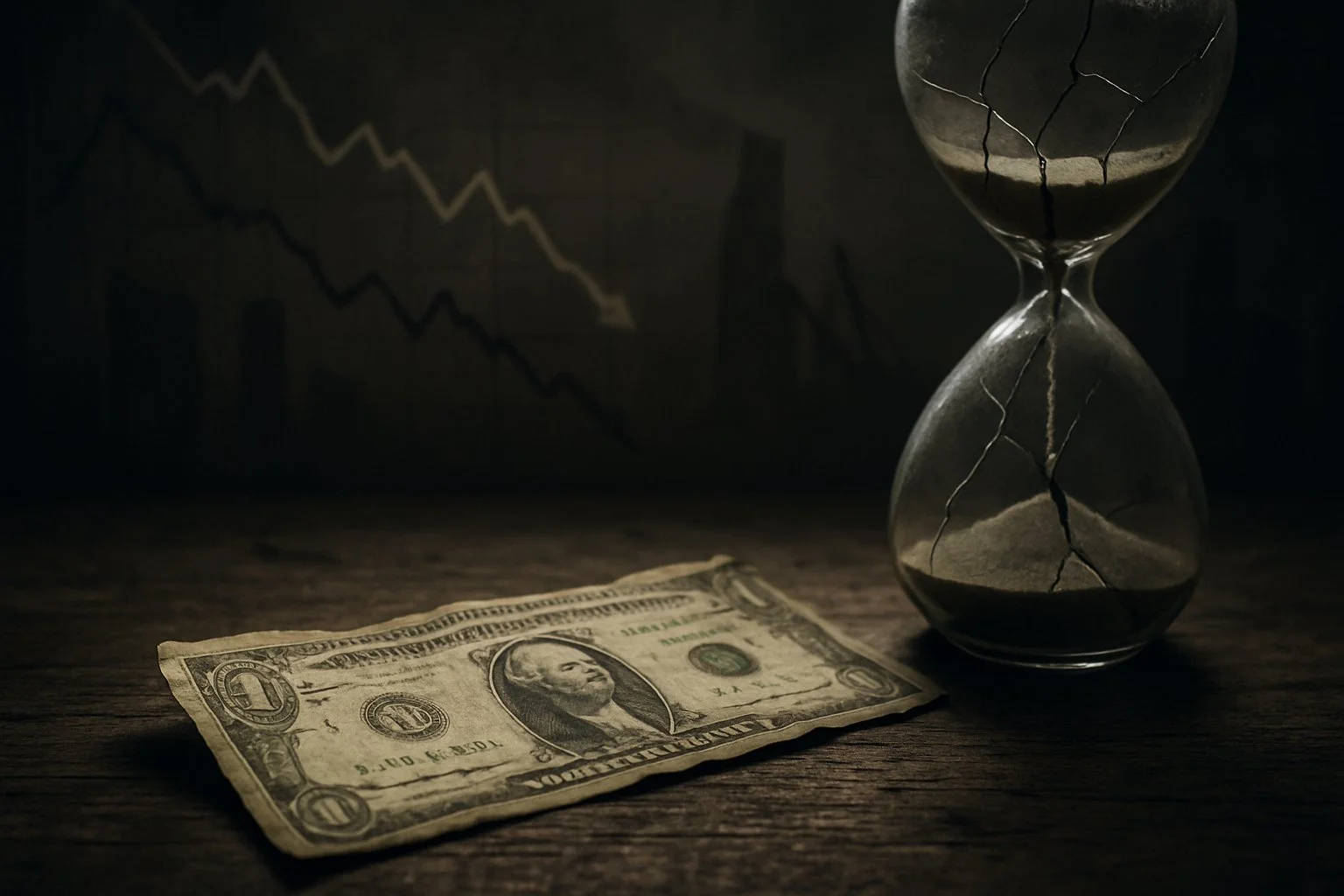
The U.S. dollar has shaped international finance, trade, and economic stability for decades. Its strength comes from old agreements, key events, and the trust people place in it.
Rise as the World’s Reserve Currency
The dollar began to take center stage as the main reserve currency in the early 20th century. Before World War I, most countries leaned on the British pound.
After the war, the U.S. economy grew stronger, and power shifted toward America. That made the dollar more attractive to other nations.
During World War II, the U.S. became a top lender and supplier. Countries needed dollars to rebuild and trade, so they started holding more dollars in reserve.
The global financial system grew to depend on the dollar for stability and liquidity. Today, over 58% of global reserves are still held in U.S. dollars, which keeps the dollar at the heart of the world economy. For more information, refer to this report on the dollar as the world’s reserve currency.
Bretton Woods Agreement
The Bretton Woods Agreement was signed in 1944 by 44 Allied nations. It established a fixed exchange rate system, linking other currencies to the U.S. dollar, which was itself tied to the gold standard.
Under the Bretton Woods system, the dollar’s importance grew even more. Countries could trade their dollars for gold, making the dollar a safe bet for foreign governments.
This system lasted until 1971, when the U.S. stopped allowing dollars to be exchanged for gold. Even after that, the dollar stuck around as the world’s main currency, thanks to trust and habit.
Dollar Dominance in Global Trade
The U.S. dollar is, by far, the most widely used currency in global trade. Commodities like oil and gold are priced and traded internationally in dollars, which makes global business a lot smoother.
Most big financial transactions—loans, investments, you name it—get settled in dollars. The U.S. benefits from this, with easier borrowing and more sway over global markets.
Some countries have attempted to reduce their reliance on the dollar, but old habits and confidence in its stability keep it at the forefront. For more, see the discussion on de-dollarization and dollar dominance.
Causes of the Death of the Dollar
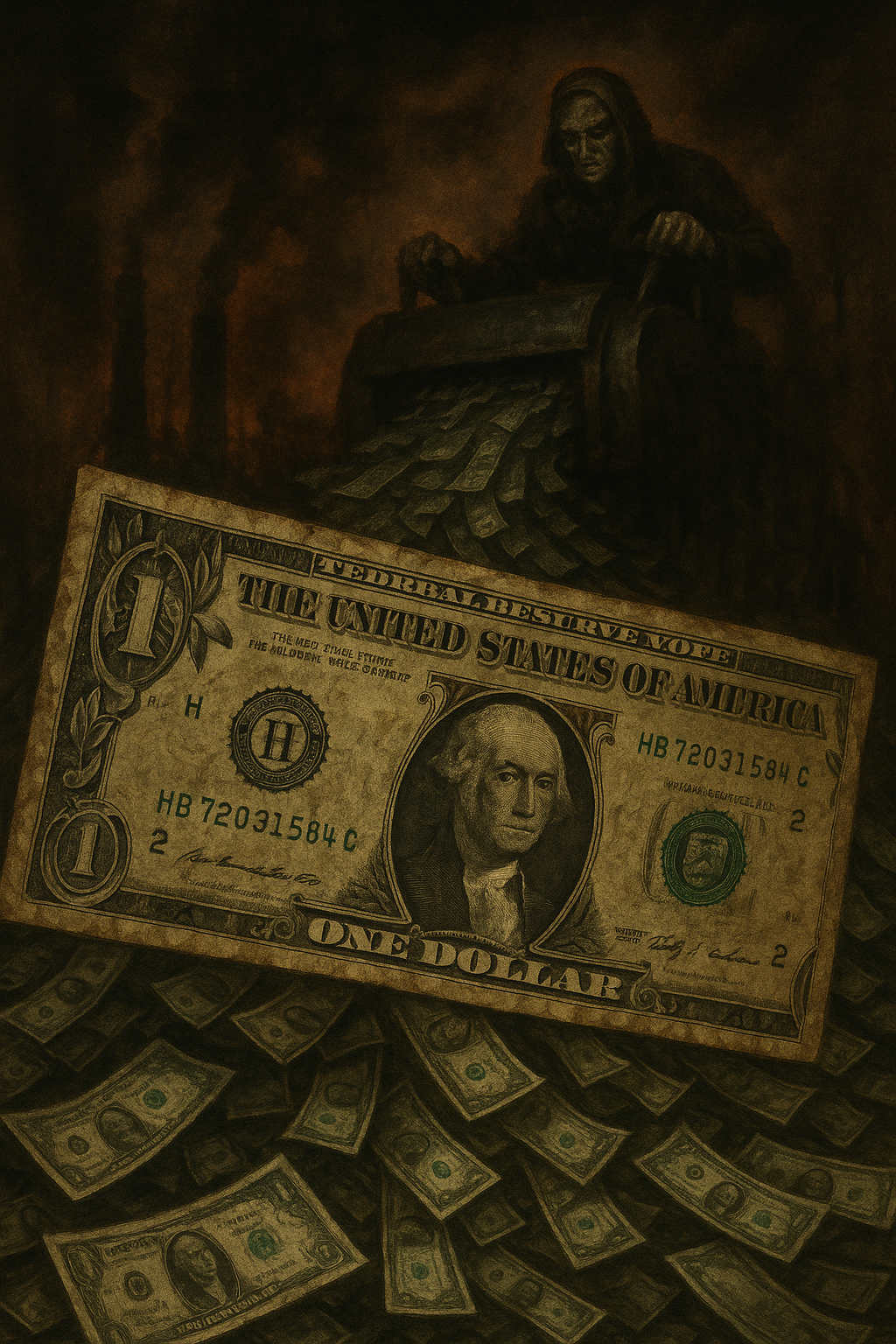
People worry about the dollar’s future for several reasons. Major global conflicts, shifting trade relationships, and efforts by some countries to break free from the dollar all play a part.
Sanctions on Russia and Geopolitical Tensions
Sanctions on Russia after the Ukraine invasion sent shockwaves through the system. Russia and several other countries began reducing their use of the U.S. dollar in response.
Russia now does more business in euros, China’s renminbi, and even gold. Some see the dollar as risky, since the U.S. can freeze assets or block transactions if things get political.
These moves have led certain countries to team up and build payment systems that skip the dollar entirely. If this keeps up, more international trade could leave the dollar behind.
Shift Towards Alternative Currencies
More countries are turning to other currencies in trade and as reserves, a move known as de-dollarization.
Central banks are stockpiling euros and renminbi. China has signed deals that allow it to trade directly with other countries in renminbi, thereby cutting the dollar out of the loop.
Big exporters like Russia and China encourage their partners—especially those at odds with U.S. policy—to settle deals in currencies other than the U.S. dollar. Using alternatives chips away at the dollar’s dominance bit by bit.
Loss of Global Confidence
Confidence in the dollar depends on both economic and political factors. If investors or governments start doubting its staying power, they look for safer bets.
High inflation, rising U.S. debt, or sudden policy shifts all make people nervous about the dollar’s stability. Events like the Ukraine war and frequent sanctions make some countries worry about being too exposed to U.S. control.
When major economies reduce their dollar reserves and promote alternative currencies, trust in the dollar declines even further. In our connected world, those moves can significantly impact how money flows and how countries manage their finances.
Consequences for Financial Markets
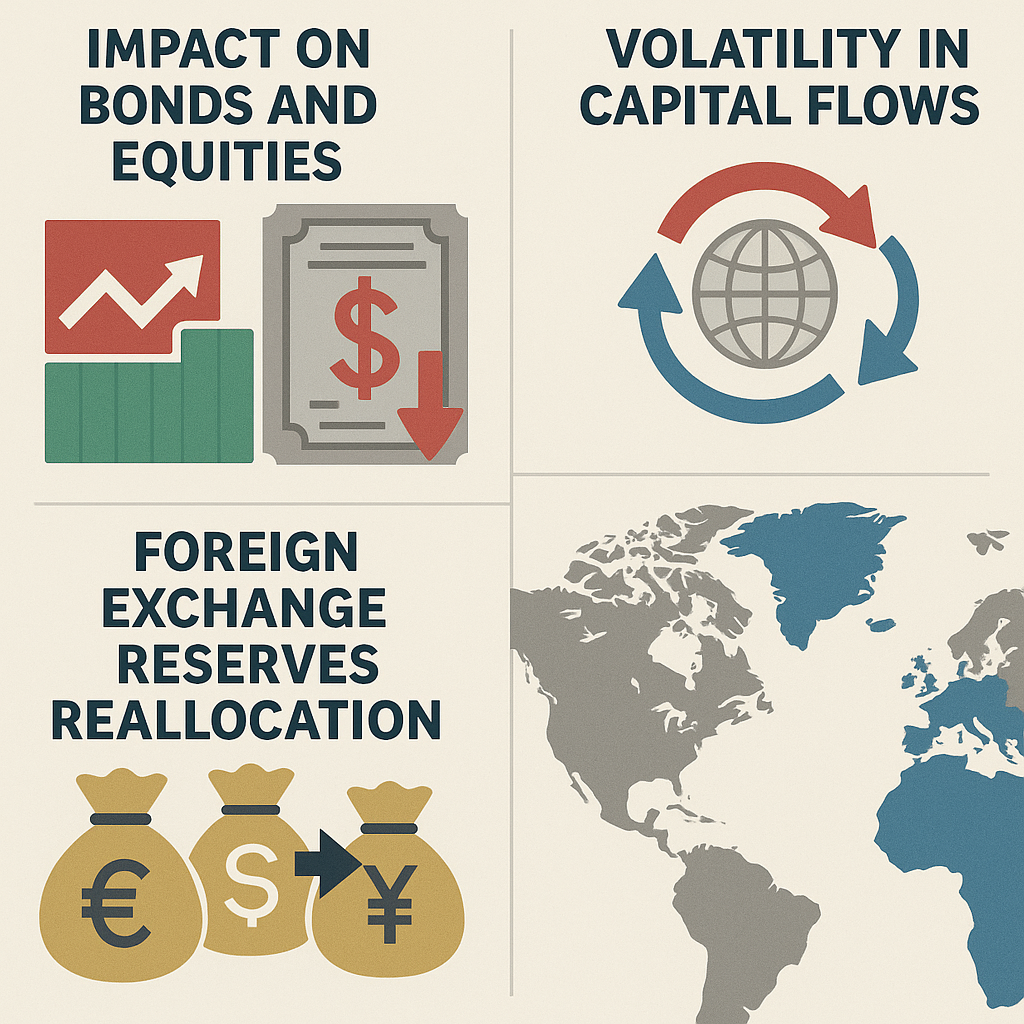
If the U.S. dollar loses its top spot, financial markets could feel the impact for years. Changes in reserve currencies and investor habits may trigger significant swings in bond, stock, and cross-border money flows.
Impact on Bonds and Equities
A weaker dollar makes imports pricier for U.S. companies, which can eat into profits and drag down stock prices. If people lose faith in the dollar, the U.S. government might struggle to borrow money as easily by selling Treasury bonds.
When demand for U.S. bonds drops, yields go up because investors want more interest to cover extra risk. That raises borrowing costs for everyone, slowing growth and hurting both bonds and stocks.
Meanwhile, countries with stronger currencies may see their stocks and bonds become more attractive, drawing money away from the U.S. Morgan Stanley notes that U.S. equities could face real headwinds as global capital seeks better returns elsewhere.
Volatility in Capital Flows
If the dollar gets shaky, money can move in and out of countries fast, making capital flows unpredictable. A strong dollar used to attract investors seeking safety, but if that changes, global markets could experience sudden shifts in where capital flows.
Foreign investors may pull out of U.S. assets if they find safer or higher returns elsewhere. That kind of churn can push up borrowing costs for U.S. companies and governments as they strive to maintain investor interest.
At the same time, emerging markets could see more money flowing in, which boosts asset prices but also leaves them open to sudden reversals.
Potential changes in capital flows:
| Direction | Possible Effect |
|---|---|
| Into U.S. | Lower due to weaker dollar |
| Out of U.S. | Higher, chasing better returns |
| Into other markets | Increases buying in new regions |
Foreign Exchange Reserves Reallocation
Central banks maintain substantial reserves of various currencies to facilitate trade and stabilize their national currencies. The dollar still accounts for about 60% of global reserves, but this share has been declining for years.
If more countries shift reserves into euros, yen, or yuan, demand for U.S. dollars and bonds drops. That could push U.S. interest rates higher since the government needs to offer better returns to attract buyers.
Markets in Europe and Asia might see more demand for their bonds and currencies as a result.
Key reserve trends:
- Central banks diversify away from dollar holdings
- Increased buying of alternative reserve assets
- Long-term shifts in which markets lead in global finance
This kind of reallocation can tilt the balance of power in financial markets. The U.S. could lose some influence while other regions become more important for investors and decision-makers.
Implications for Dollar-Denominated Assets
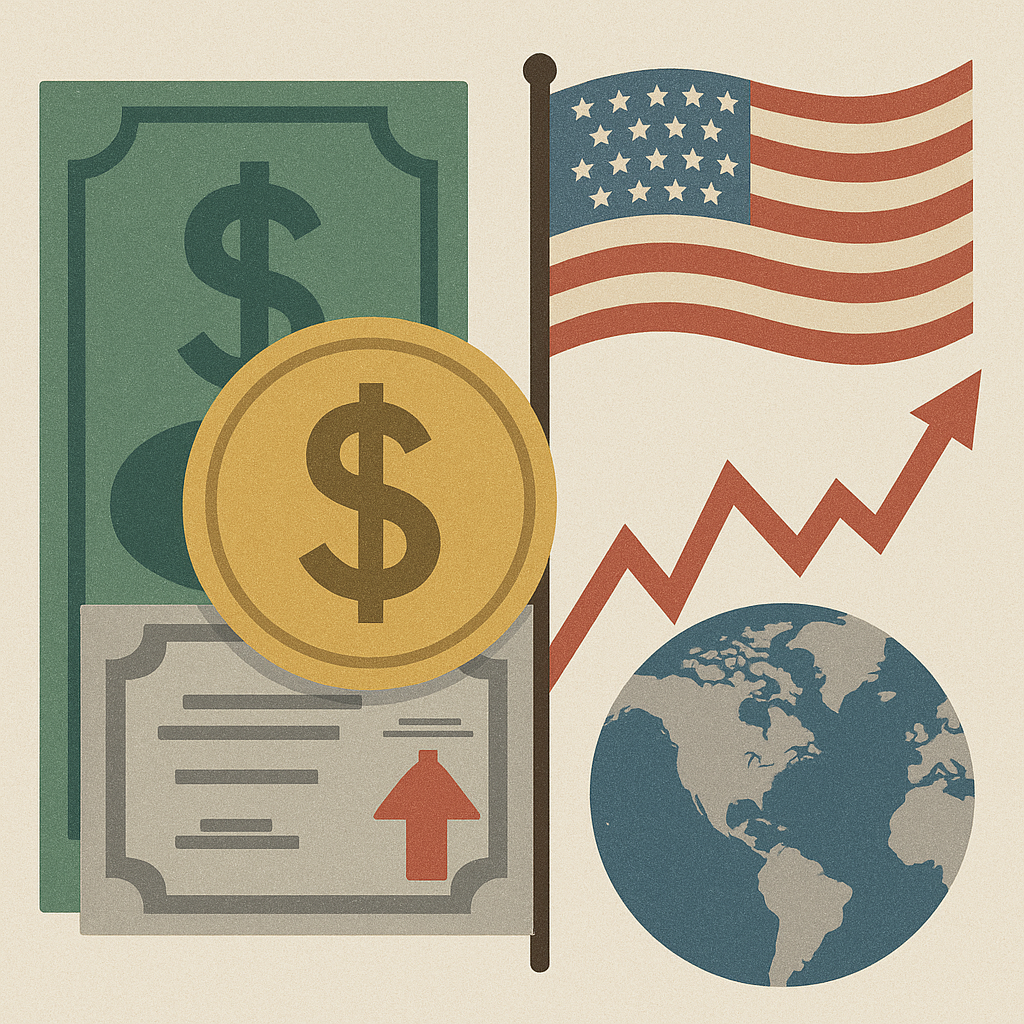
Dollar-denominated assets play a major role in global finance. Their value and stability shape international investments and influence how countries conduct business with one another.
Declining Attractiveness for Foreign Investors
If the dollar weakens, foreign investors may see less value in buying U.S. Treasurys, stocks, and corporate bonds.
A sharp drop in the dollar’s value can lower returns for investors who use other currencies, making these assets riskier or less appealing.
Key concerns include:
- Exchange rate risk: Losses may occur when converting dollars back to home currencies.
- Lower confidence: If investors are concerned about the U.S. government’s policies or economic stability, they may move their funds to safer countries.
- Market volatility: Uncertainty can lead to increased price swings in both bond and stock markets.
The dollar’s status as the world’s main reserve currency is used to give U.S. assets a safe haven shine.
Now, with more talk of de-dollarization and central banks holding fewer dollars, that reputation faces new questions.
Changes in International Transactions
A weaker dollar changes how countries and businesses settle payments.
Some nations are starting to use other currencies for trade instead of defaulting to the dollar.
Likely effects include:
- Higher transaction costs: More currency exchanges can increase the expense of doing global business.
- Fluctuations in contract values: Agreements previously priced in dollars may become unstable as companies switch to other currencies.
- Shift in global trade flows: Countries with new payment arrangements might favor trading partners who accept non-dollar payments.
International banks and companies must adapt by updating their risk management and hedging strategies.
As the dollar’s role shifts, more contracts—especially for commodities—might get settled in euros, yuan, or something else, shaking up the usual patterns in global business.
Macro Strategist Insights
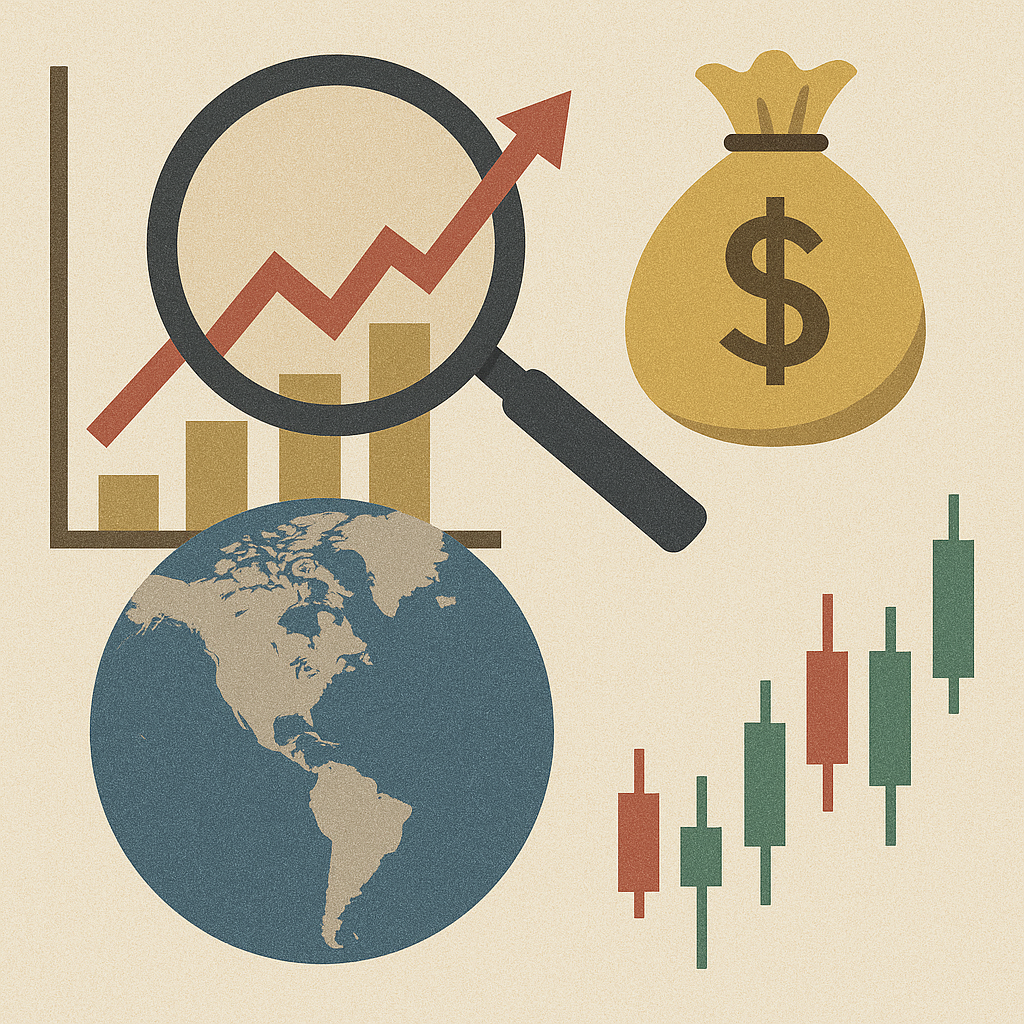
Macro strategists closely monitor the US dollar to gain a better understanding of market trends.
Most experts don’t buy into the hype about the “death of the dollar” just yet. Christian Lawrence, a senior macro strategist, says there’s no hard evidence that the dollar’s central role is fading away. He points to the continued use of the dollar in global trade and finance as evidence of its enduring strength.
Some common factors that macro strategists analyze include:
- Interest Rate Policies: Changes by the Federal Reserve affect dollar strength.
- Global Trade Patterns: The US dollar is widely used in most international transactions.
- Economic Growth: US economic performance often drives demand for the currency.
Vincent Deluard, another macro strategist, thinks people often overstate threats to the dollar.
Current policy shifts and global uncertainties continue to make the dollar a preferred choice for investors and banks.
A strategist at BNY says a weaker dollar doesn’t mean it’s losing its dominant status. There’s a big difference between currency fluctuations and a true decline in global influence. More on this analysis is available here.
Key Points from Macro Strategists
| Factor | Impact on Dollar |
|---|---|
| Federal Reserve Rates | Can strengthen/soften |
| Global Demand for US Assets | Supports dominance |
| Trade Deficits/Surpluses | Affects reputation |
Potential Economic Collapse Scenarios
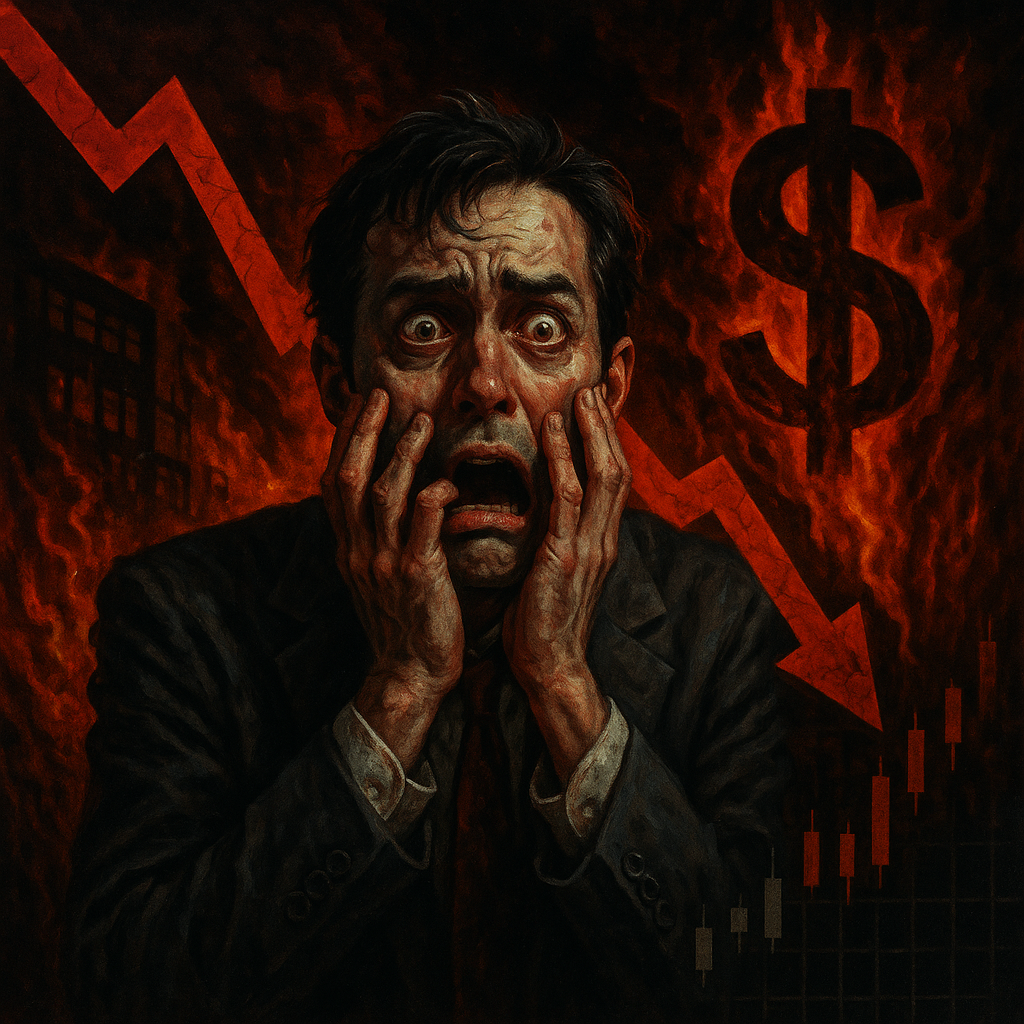
An economic collapse tied to the decline of the dollar could occur in several ways.
Each scenario comes with its own set of triggers and fallouts.
Common causes include:
- Persistent trade deficits
- High national debt
- Loss of global trust
- Political instability or corruption
- Major wars
If people suddenly lose confidence in the U.S. dollar, its value could drop rapidly.
This might spark inflation, higher interest rates, and job losses.
If countries start using other currencies instead of the dollar, demand for dollars would fall.
This process, known as de-dollarization, can weaken the dollar’s grip on world trade and finance.
If the U.S. government can’t borrow easily because of a falling dollar, it might need to cut spending or raise taxes. That could tip the economy into a recession or even an economic collapse.
Potential Effects Table:
| Scenario | Possible Effects |
|---|---|
| Loss of confidence | Currency crash, inflation, unemployment |
| High debt and deficits | Higher interest rates, lower growth |
| Geopolitical instability | Capital flight, reduced investment |
| Rapid de-dollarization | Lower U.S. economic influence |
If multiple risks co-occur, a severe collapse could follow, making recovery an uphill battle.
Frequently Asked Questions
The US dollar faces unique challenges that shape its strength, its role in global trade, and the choices investors and governments make.
Changes in global trade, economic factors, and policy decisions all contribute to the dollar’s relative strength against other currencies.
What factors contribute to the decline of the US dollar’s value?
Several things can weaken the US dollar.
High inflation, substantial government debt, trade deficits, and sluggish economic growth are common culprits. If people lose faith in the US economy or its politics, the dollar can take a hit. Big global events—such as wars or major policy changes—don’t help either.
What can investors hold as a hedge against a potential dollar collapse?
Investors often seek assets such as gold, foreign currencies, real estate, or stocks that generate profits globally as a form of protection.
Some go for commodities like oil or metals. Spreading investments into assets not tied to the dollar is a classic way to mitigate risk when the dollar appears shaky.
How would a weakening dollar impact the global economy?
A weaker dollar makes US goods more affordable for buyers overseas, which can boost exports.
But it also makes foreign goods pricier in the US, raising import costs and maybe fueling inflation. If the dollar falls rapidly, global financial markets could become jittery, as many countries and companies still rely on the dollar for trade and debt.
What are the signs that might indicate an impending collapse of the US dollar?
Look for rapid, out-of-control inflation in the US. Large, ballooning government debt is another red flag.
If you see a sharp drop in demand for US government bonds, that’s not a great sign. When countries start moving their reserves out of dollars, it usually means they’re worried.
Major shifts in international trade away from the dollar could also spell trouble.
What strategies should governments employ if the dollar loses its reserve currency status?
Governments might want to build up their reserves in a mix of safe foreign currencies. Supporting trade in other currencies could be beneficial, especially if the dollar’s dominance wanes.
Reducing debts tied to the dollar is a good idea. Building stronger local financial systems and engaging in trade deals using alternative currencies can also make a significant difference.
What are the implications of other countries moving away from the dollar in international trade?
If countries start using other currencies for trade, demand for the dollar will drop. This might weaken the dollar and make borrowing more expensive for the US.
Prices for imported goods could climb. Over time, the US might lose some influence in global markets,