



|
Getting your Trinity Audio player ready...
|
Something unusual happened in the commodity markets in 2025. For the first time in recorded history, an ounce of silver became more valuable than a barrel of crude oil.
This shift marks a significant change in how markets value these two important resources.
Silver has more than doubled in value since the start of the year. The metal broke above $60 per troy ounce on December 9, 2025, setting a new record.
This 102 percent gain has left gold, stocks, and even cryptocurrencies trailing behind.
The price surge reflects deeper changes in global supply and demand. Demand for silver has exceeded supply for the last five years.
Industrial uses keep growing, pushing the metal out from gold’s shadow and into a position of its own.
Unprecedented Silver Surge and Its Implications
Silver prices hit historic levels in 2025. The precious metal achieved a remarkable milestone by surpassing the per-ounce value of oil for the first time in modern trading history.
This shift reflects fundamental changes in global demand patterns. Industrial applications and investment flows have pushed silver to record highs above $54 per troy ounce.
Silver’s Rise Over Oil: A Defining 2025 Moment
The crossing point came when silver peaked at $54.48 per troy ounce in October 2025. At the same time, crude oil traded between $65 and $75 per barrel.
This marks a complete reversal from historical norms. Oil used to command higher prices, plain and simple.
Silver’s dual role as both an industrial metal and a safe-haven asset has created unprecedented demand pressure. Meanwhile, oil faces headwinds from renewable energy adoption and efforts to reduce fossil fuel dependence.
Key factors driving this transition:
- Industrial demand for silver in solar panels increased 15-20% in 2025
- Electronic vehicle production tripled silver consumption in automotive applications
- Supply deficits reached 95 to 117.6 million ounces for the year
- Geopolitical tensions pushed investors toward tangible assets
The precious metal now trades at valuations that reflect its scarcity and critical role in green technology infrastructure.
Key Turning Points in Silver’s Value Ascent
Several pivotal moments accelerated silver’s climb throughout 2025. The U.S. government’s classification of silver as a “critical mineral” in November gave institutional legitimacy and unlocked federal support for domestic production.
Silver-backed exchange traded products saw an 18% increase in holdings by early November. Institutional investors started recognizing silver as a standalone asset class, and capital poured in.
The fifth consecutive year of supply deficits created structural imbalances. Over 70% of silver comes as a byproduct of mining other metals, making supply responses slow and inflexible.
Mine output stagnated due to declining ore grades and rising extraction costs. Federal Reserve signals about potential interest rate cuts made non-yielding assets like the precious metal more attractive.
A weaker U.S. dollar further enhanced silver’s appeal to international investors seeking inflation protection.
Global Market Reaction to Silver Outpacing Oil
Markets responded with heightened volatility as silver’s historic rally reshaped financial landscapes. Intraday price swings frequently exceeded 4%.
Mining companies saw dramatic valuation increases. Pan American Silver Corp. and First Majestic Silver Corp. experienced significant stock price appreciation as higher silver prices directly boosted revenues and profit margins.
Streaming companies like Wheaton Precious Metals benefited from fixed acquisition costs while selling at market prices. Industrial users faced mounting cost pressures.
Solar panel manufacturers and electronics producers struggled with increased input expenses. Companies began “thrifting” efforts to reduce silver content per unit without compromising product performance.
Geopolitical tensions amplified investment flows into the precious metal. BRICS nations reportedly increased their silver reserves as part of broader strategies to diversify away from dollar-denominated assets.
This added another layer of demand beyond traditional industrial and investment channels.
Catalysts Behind the Commodity Shift
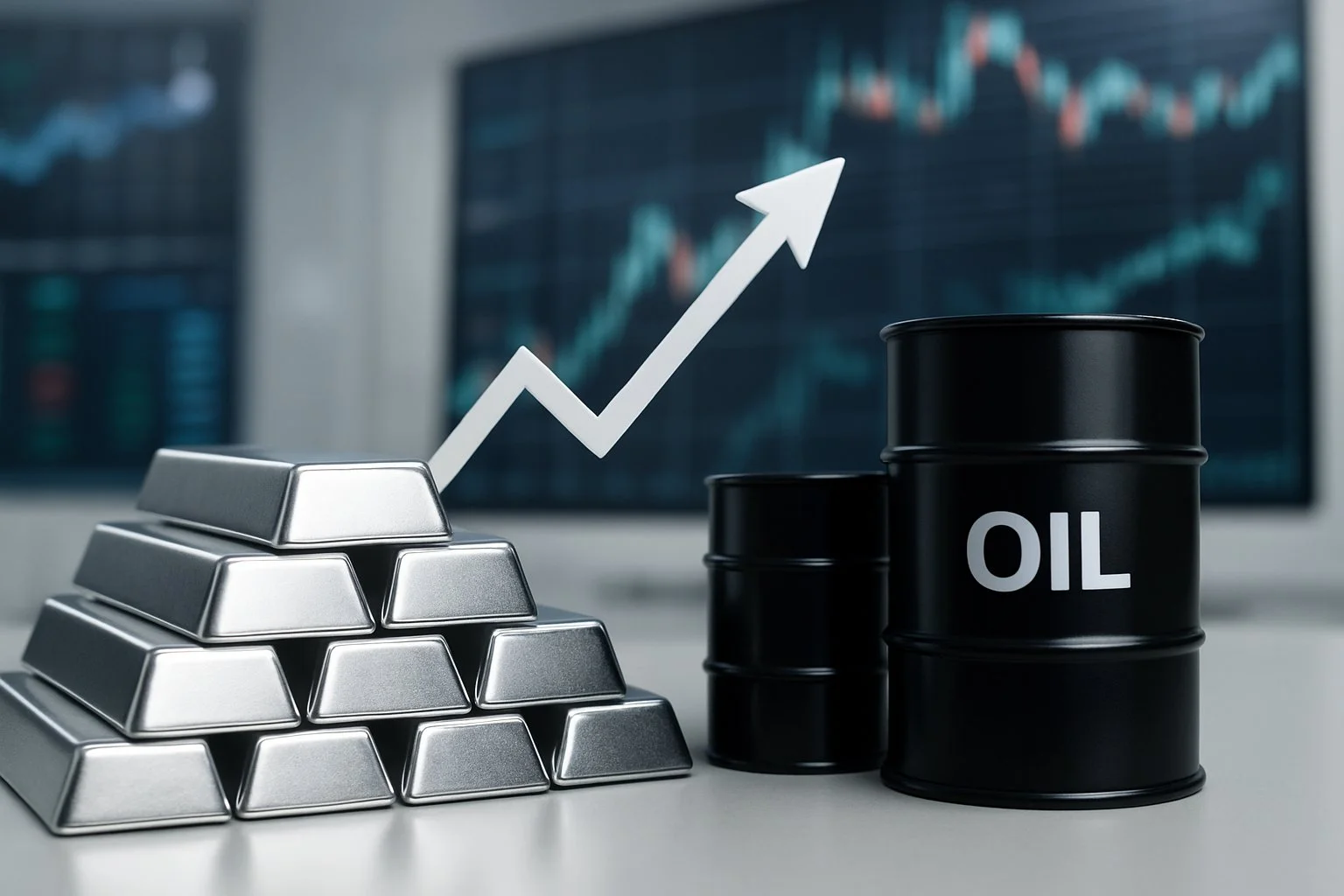
Silver’s unprecedented rise above oil prices stems from a mashup of market forces that converged in 2025. A historic short squeeze, persistent inflation concerns, coordinated investor action, and escalating global tensions all played a part.
The 2025 Silver Short Squeeze Explained
A historic silver short squeeze in 2025 propelled the precious metal to record valuations. Large institutional investors had taken significant short positions, betting that silver prices would fall or stay flat.
The squeeze kicked off when retail investors coordinated buying efforts through online communities. It mirrored the “meme stock” phenomena from previous years.
Legitimate industrial demand from the solar energy and electric vehicle sectors piled on. This buying pressure launched upward price momentum.
As silver prices climbed, short sellers faced margin calls demanding additional collateral. Many institutions had to close their positions by buying silver in the open market.
This forced buying created a feedback loop that drove prices even higher.
Key players involved:
- Major hedge funds with concentrated short positions
- Decentralized retail investor networks
- Industrial consumers scrambling to secure supplies
- Silver mining companies like Pan American Silver Corp. and First Majestic Silver Corp.
Role of Inflation and Monetary Policy
Persistent global inflationary pressures made silver even more appealing as an inflation hedge. Central banks struggled to control rising prices throughout 2024 and into 2025.
Investors looked for hard assets to protect their wealth from currency devaluation. Silver has always had a dual purpose—it’s both a monetary metal and an industrial commodity.
This dual nature made it especially attractive when inflation stayed elevated despite central bank interventions. The shifting rate expectations also played a role in silver’s rally toward historic peaks.
Lower real interest rates reduce the opportunity cost of holding non-yielding assets like precious metals. When central banks signaled possible rate cuts or pauses, investors moved more capital into silver.
Impact of Retail and Institutional Investors
Retail investors showed unprecedented collective power in the silver market. Online communities organized buying campaigns that targeted silver futures and physical metal.
This coordinated action caught institutional investors off guard. Institutional investors initially held bearish positions but had to reverse course.
Hedge funds and investment banks faced substantial losses on their short positions. Many scrambled to acquire long positions to offset their exposure.
The iShares Silver Trust and similar ETFs delivered extraordinary returns to investors with long positions. Physical silver dealers struggled to meet unprecedented demand.
Supply chain disruptions added to the price pressure as buyers competed for available inventory.
Geopolitical Tensions Fueling Safe-Haven Demand
Escalating geopolitical tensions in the first half of 2025 drove investors toward safe-haven assets. Silver benefited from this flight to safety alongside gold.
Political instability and concerns about dollar weakness added momentum to rising precious metal prices. The US Geological Survey’s proposal to designate silver as a critical mineral represented a paradigm shift.
This classification highlighted silver’s strategic importance beyond its role as a monetary asset. Industrial applications in defense, renewable energy, and advanced electronics made silver essential to national security.
Industrial consumption became a major driver as supply deficits persisted for multiple years. The combination of geopolitical risk and supply constraints created conditions that pushed silver valuations to historic levels.
Traders increasingly managed risk through silver futures as price volatility accelerated.
Industrial Demand and the New Silver Economy
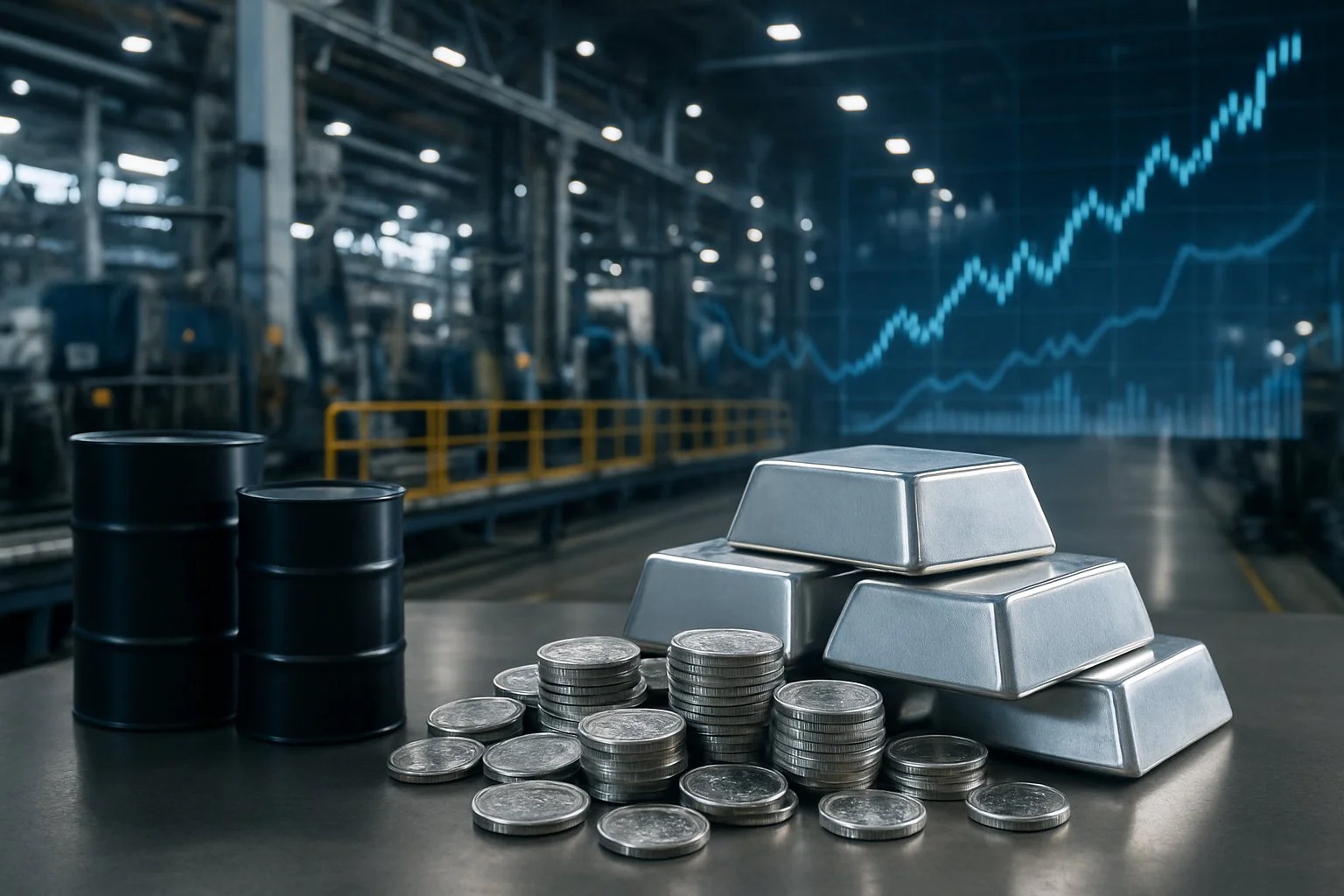
Silver’s transformation from a precious metal to an industrial commodity stems from unprecedented consumption across technology sectors. Industrial demand reached 680.5 million ounces in 2024.
Supply chains struggled to meet manufacturing requirements for green energy and digital infrastructure. Photovoltaic manufacturing drives a substantial portion of silver’s industrial consumption.
Renewable Energy Innovations: Solar and EV Growth
Solar panels require silver for its electrical conductivity properties in photovoltaic cells. Silver consumption for solar installations grew 19 percent in 2024.
Silver paste consumption surged 85 percent. Nations with aggressive renewable energy targets keep fueling this demand growth.
Electric vehicles consume significantly more silver than traditional combustion engines. The metal appears in high-voltage wiring, battery management systems, and power electronics.
Each EV needs silver for safety sensors and connectivity features. The global shift toward electric mobility creates sustained upward pressure on industrial silver consumption.
Electrification and Structural Consumption Shifts
More than half of total silver demand now comes from industrial sectors. Electronics and semiconductor production lean on silver for printed circuit boards, connectors, and sensors.
Data centers, 5G networks, and AI components all use silver for its thermal and electrical perks. Smartphones and IoT gadgets? Nearly every unit has some silver inside.
Healthcare adds another layer. Silver’s antimicrobial properties make it useful for medical coatings, wound dressings, and surgical tools.
As hospitals expand worldwide, clinical silver usage climbs too.
Scarcity Concerns: Reserves and Supply Chain Challenges
Silver production faces constraints because most comes as a byproduct of copper, lead, and zinc mining. This byproduct status means supply can’t easily ramp up, even if prices jump.
The market’s been running a four-year supply deficit as industrial needs outpace what miners pull out of the ground. Primary silver mines just can’t speed up fast enough—development takes years.
Alternatives for many uses are still pretty limited. Nothing really matches silver’s conductivity and antimicrobial features at a reasonable price.
Silver reserves take hits from both classic uses and tech sectors fighting for what’s left.
Silver’s Investment Appeal and Portfolio Rebalancing
Silver’s dual role as an industrial commodity and monetary metal makes it a favorite for portfolio diversification. It offers some inflation protection and gives investors exposure to fast-growing industrial sectors.
Market shifts lately have nudged both big institutions and regular folks to boost their silver holdings.
Silver as an Inflation Hedge and Safe-Haven Asset
Silver often acts as a store of value when the economy feels shaky. If the U.S. dollar weakens, silver looks even better to foreign buyers since it’s priced in dollars.
The metal helps hedge against currency swings and monetary debasement. Financial experts suggest putting 5-10% of your precious metals exposure into physical silver or silver ETFs.
This approach takes advantage of silver’s low correlation with stocks and bonds. With geopolitical tensions and economic messiness, investors have turned more toward precious metals.
The U.S. government shutdown and ongoing tariff fights pushed up safe-haven demand. Silver stands out because it straddles both monetary and industrial worlds.
Comparison to Gold and Other Precious Metals
The gold-silver ratio is a handy metric for investors. When the ratio gets high, it hints that silver might be undervalued versus gold.
Recent numbers show silver is still way undervalued compared to gold. That could mean some upside for anyone betting on silver.
Silver tends to move with gold but swings harder. That’s why people call it a “high-torque” asset—it really amplifies the big economic moves.
Silver’s industrial uses set it apart from gold. Gold’s mostly a monetary metal, while silver gets demand from both safe-haven buyers and industries like solar, EVs, and electronics.
Institutional and Retail Investment Trends
Exchange-traded silver products saw big inflows in 2025. The iShares Silver Trust, for example, added a lot after years of outflows.
Both retail and institutional investors upped their silver bets. That demand has made physical shortages worse in some places.
The Federal Reserve’s expected rate cuts made holding silver less costly compared to interest-bearing assets. Institutional investors like silver for its green energy exposure and inflation protection. It’s a rare mix of growth and defense for balanced portfolios.
Winners and Losers: Corporate and Sector Impacts
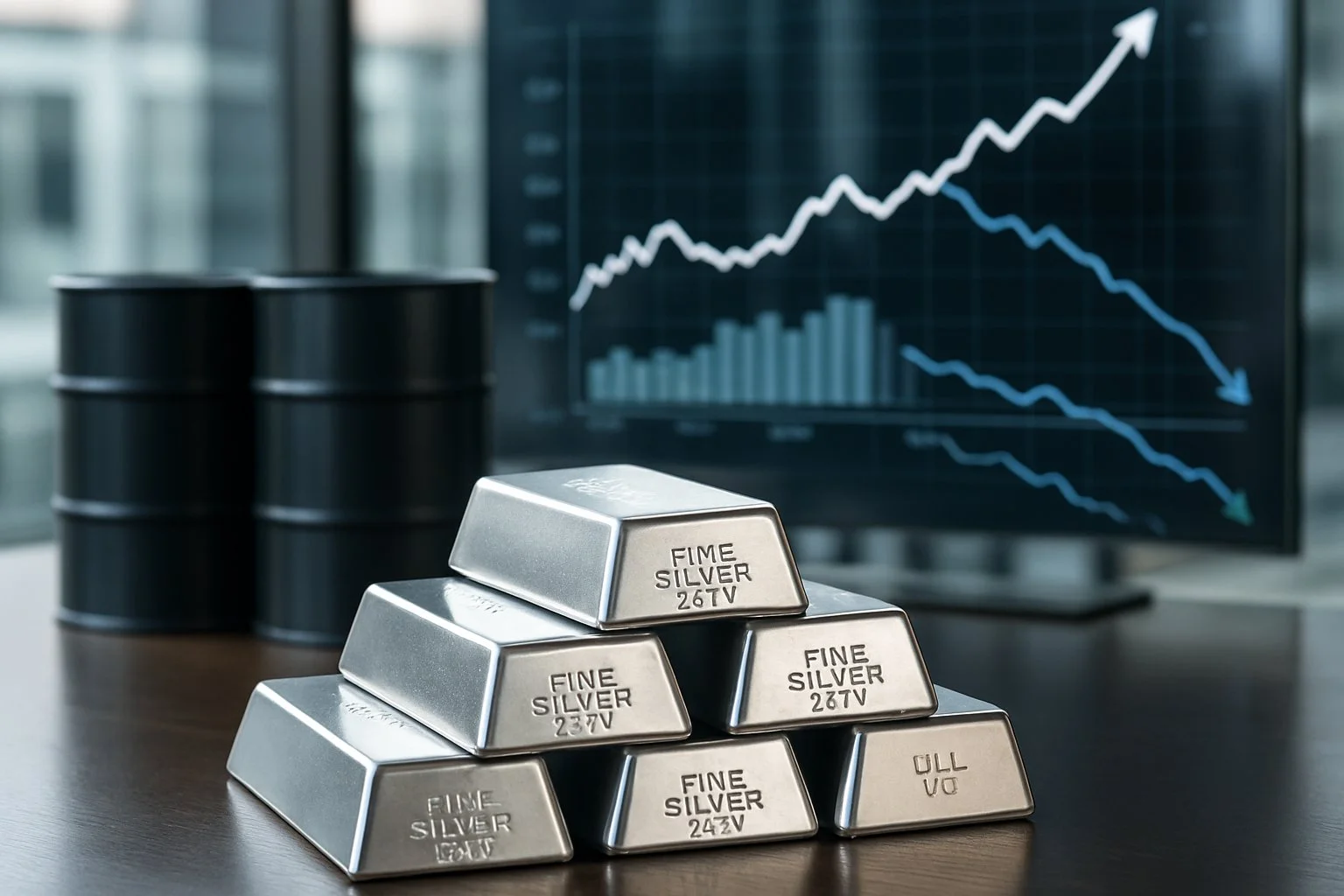
The spike in silver prices draws a clear line between miners raking in record profits and manufacturers getting squeezed by higher costs. Mining firms with big reserves see their balance sheets improve almost overnight.
Meanwhile, manufacturers relying on silver must make tough calls to deal with shrinking margins.
Silver Mining Companies and Profitability Boom
Miners with heavy silver exposure are seeing revenues soar as prices climb. Pan American Silver Corp., Hecla Mining Company, and First Majestic Silver Corp. are big winners, with their reserves suddenly worth a lot more.
Higher prices mean fatter margins. These companies extract silver at old costs but sell at today’s high prices.
Many are channeling profits into shareholder returns, dividends, and buybacks. Their new financial muscle also lets them snap up smaller players or expand via mergers. Low-cost, high-grade producers come out on top in this kind of market.
Industrial Consumers and Manufacturing Challenges
Companies that depend on silver as a raw material are feeling the pinch from rising costs. Electronics makers, for instance, must either eat the extra expense or pass it on to customers.
Key affected industries include:
- Solar panel manufacturers
- Electronics producers
- Medical device companies
- Automotive suppliers
Solar panel makers feel it the most since each panel needs silver paste for conductivity. Higher silver prices hit the economics of renewable energy projects directly.
Small manufacturers without hedging or bulk deals face the worst volatility. Some companies look for substitutes to cut silver use, but that’s easier said than done.
Silver’s unique conductivity and reflectivity are hard to match, especially for high-performance tech.
Effects on Technology and Renewable Sectors
The renewable energy sector faces a weird twist: higher silver costs threaten to slow the green transition everyone’s banking on. Solar projects get pricier just as governments push for more renewables.
Developers now have to revisit their return-on-investment math. Electric vehicle makers also feel the squeeze from rising silver and copper prices.
Batteries, chargers, and electronics all use these metals. Tesla and other EV brands have to juggle production costs and consumer price sensitivity, which is a tough balancing act.
Tech firms making phones, computers, and servers see their margins shrink because of silver-based parts. The semiconductor industry relies on silver for certain high-performance uses, and swapping it out isn’t really an option right now.
Long-term supply contracts offer some breathing room, but when those deals expire, new prices will bite.
Long-Term Outlook for Silver and Global Commodity Markets
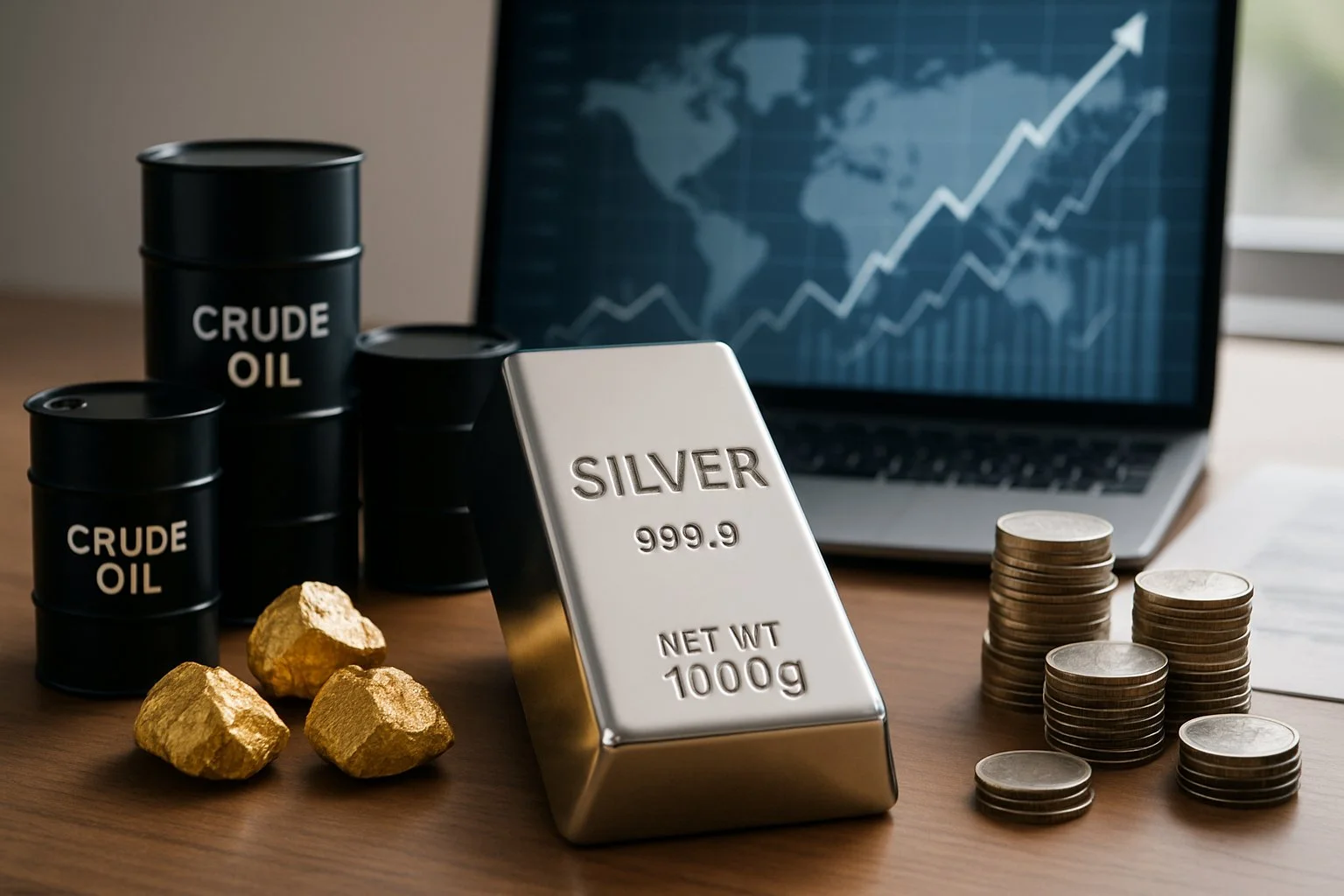
Silver’s ongoing transformation says a lot about deeper changes in global commodities. Supply constraints, tech dependence, and shifting monetary strategies all play a part.
Where silver goes next depends on how miners respond, whether new materials emerge, what central banks do, and if industrial demand keeps rising.
Expected Supply Response and Exploration
The mining industry faces real hurdles in scaling up silver production. Revitalizing the sector demands big investments, especially in untapped regions.
Primary silver mines make up just a small slice of total output. Most silver gets pulled out alongside copper, lead, and zinc.
This setup means supply doesn’t react quickly to price jumps. New mines take 7-10 years from discovery to production, and declining ore grades push costs higher.
Environmental rules and red tape slow things down even more. Supply stays tight despite high prices, and mining companies have to juggle shareholder demands with long-term spending.
Potential Substitution and Alternative Materials
Some industries can swap out silver, but options are limited. Solar panel makers, for example, have few alternatives that match silver’s top-tier conductivity and soldering ability.
Key substitution challenges:
- Silver’s unique edge in photovoltaic cells
- Performance and cost tradeoffs in electronics
- Quality issues with copper or aluminum replacements
- Technical roadblocks in medical products
EV production needs silver for battery connections and charging gear. Other materials often mean lower performance or reliability.
Graphene and carbon nanotube research continues, but scaling up is a headache. Some consumer electronics have cut silver use with thinner coatings or new alloys, but in critical areas like 5G and renewables, there’s almost no wiggle room yet.
Implications for Central Banks and Monetary Policy
Central banks mostly focus on gold, but adding more silver could diversify their reserves. Economic uncertainty and currency swings are pushing institutions to look at tangible assets more seriously.
Silver investment surged in the first half of 2025. Exchange-traded product holdings hit 1.13 billion ounces by June, topping $40 billion for the first time.
Monetary policy changes ripple through the silver market. Interest rates affect the cost of holding non-yielding metals, and inflation worries make silver look safer.
The gold-to-silver ratio usually averages about 60:1, but lately it’s been over 80:1, suggesting silver’s undervalued. Central banks watch these numbers and may tweak their metals strategies as a result.
Future Trajectories: Can Silver Maintain Its Lead?
Citi Research projects continued bull market conditions for gold and silver into early 2026.
Analysts at ING forecast silver averaging $39 per ounce in 2025 and $49.75 in 2026.
Industrial demand from photovoltaic and electric vehicle sectors gives silver some real backbone right now.
Global solar capacity installations keep accelerating thanks to climate commitments. Each gigawatt of solar capacity needs about 30 metric tons of silver.
Price volatility is just part of the game here. Silver earned the nickname “Devil’s metal” for a reason—those sharp price swings can rattle anyone.
Record momentum and heavy ETF inflows help support the current price levels. Still, corrections can hit at any time, so nobody should get too comfortable.
Supply deficits might stick around for years because production just can’t keep up.
Whether silver holds its value premium over oil probably hinges on how fast the green economy grows—and whether investors keep trusting precious metals when things get shaky.
Frequently Asked Questions
Silver’s recent price run over oil has everyone asking about supply, new industrial demand, and what all this means for global commodity markets and investment strategies.
What factors contributed to the increase in silver’s value over oil?
Silver supply has remained dislocated while demand just keeps climbing.
The metal has run supply deficits for five straight years as industrial consumption outpaces what miners can pull out of the ground.
Industrial applications really drive this demand surge. Silver’s use in solar panels, electronics, and new tech has jumped as renewable energy adoption spreads worldwide.
The historic silver short squeeze of 2025 sent prices to places nobody expected, shaking up commodity markets everywhere.
Safe-haven demand matters too. More investors are turning to precious metals for shelter from currency debasement and economic uncertainty.
How is the surge in silver prices impacting global markets?
Financial markets worldwide are feeling the aftershocks. The shift in commodities is upending old relationships between energy and precious metals.
Stock indices have gotten jumpy as the commodity landscape changes. Tech companies that need silver for manufacturing are feeling squeezed by higher costs.
Currency markets aren’t sitting still either. The dollar’s been bouncing as investors rethink what holds value and where to find safety.
Bond markets are watching closely for signs of inflation. Central banks are keeping an eye on all this as they weigh their next moves.
What are the implications for investors due to silver becoming more valuable than oil?
People are rethinking how they diversify. Traditional portfolios that leaned on energy are shifting toward precious metals.
Silver’s trajectory looks set for more historic highs, at least if you believe the analysts. Tight supply, rising demand, and big institutional interest all feed into the optimism.
Institutional investors are upping their precious metals stakes. Silver-focused ETFs have seen big inflows as money managers adjust their strategies.
Risk management needs a rethink, too. The old link between oil and silver has broken down, so hedging strategies have to change with the times.
In what ways is this shift affecting the mining and energy industries?
Mining companies are going full throttle on exploration and production. Silver miners are enjoying better margins and more capital as prices keep climbing.
Energy producers are facing a new reality. Oil companies now see lower relative valuations compared to precious metals producers, which makes raising capital tougher.
Resource sector investment is moving around. Money that once went to oil and gas is now chasing silver mining and exploration.
Labor markets are shifting, too. Mining companies are competing harder for skilled workers, while some folks from the energy sector jump ship to precious metals.
What economic indicators should be monitored in light of silver’s rise in value?
Industrial production data can clue you in on ongoing silver demand. Manufacturing output in electronics and renewables hits silver consumption directly.
Currency strength is a big deal here. The dollar’s relationship with precious metals prices helps predict where things might go next.
Supply chain metrics are worth watching. Inventory at major silver exchanges and delays in industrial deliveries can signal price pressure ahead.
Inflation readings matter more than ever. Real interest rates and inflation expectations push investors toward precious metals as a way to protect value.
How is this commodity shift influencing geopolitical relations?
Resource nationalism has really ramped up in silver-producing nations. These countries are taking a closer look at their export policies and mining rules, hoping to squeeze out more economic benefit.
Trade relationships are getting a shake-up from the commodity rebalancing. Silver producers have started to gain some negotiating power, while nations that rely on oil exports are running into fresh economic headaches.
Governments everywhere are reviewing their strategic resource policies. Many are weighing whether to boost precious metals reserves instead of just piling up energy stockpiles.
International monetary talks now actually mention silver. The metal’s rising value has sparked new debates about commodity-backed currencies and whether we should look beyond fiat money systems.