



|
Getting your Trinity Audio player ready...
|
Investors often worry about market volatility and inflation slowly chipping away at their savings. Stocks and bonds, while classic, don’t always shield your wealth when things get rocky.
Diversifying with precious metals—think gold, silver, platinum, and palladium—can bring some much-needed stability and protection from inflation while dialing down overall risk.
Precious metals have stood the test of time as stores of value and usually don’t move in lockstep with stocks or bonds. When stock markets tank or currencies lose ground, metals like gold often hold steady—or even climb.
That’s a big reason many investors see them as a smart addition to any portfolio.
The real trick is figuring out how much to put into metals and which ones to pick. Some experts recommend allocating 15-20% to precious metals, usually with gold getting the largest slice.
People also mix up their holdings—some go for physical bullion, others like ETFs—to balance growth and liquidity.
Why Diversify Your Portfolio with Precious Metals?
Precious metals bring benefits to the table that stocks and bonds just can’t match. They’re a natural hedge in shaky times and help protect against currency devaluation and inflation.
Risk Reduction Across Asset Classes
Metals like gold and silver tend to act differently than stocks or bonds during rough patches. When equities drop, these metals often hold their ground or even rise.
This negative correlation adds balance to your investments. Allocations usually land between 5% and 15% for a diversified approach.
Key risk reduction perks:
- Low correlation with stocks and bonds
- Physical assets that don’t depend on company performance
- Global recognition and liquidity
- Scarcity value thanks to limited supply
Mixing different precious metals can spread risk even further. Gold is the classic safe-haven, but silver, platinum, and palladium each bring something unique.
Silver sees strong industrial demand in electronics and solar tech. Platinum and palladium are closely tied to the auto industry.
Protection Against Market Volatility
Wild market swings can quickly wipe out value. Precious metals tend to offer a steadying influence during financial crises and geopolitical storms.
Gold prices, for example, usually spike when stocks crash. Back in 2008, gold actually gained while most assets took a nosedive.
Metals like gold and silver keep their purchasing power over decades. They’ve weathered plenty of economic cycles and currency shakeups.
Volatility protection highlights:
- Store of value when everyone else is panicking
- Flight to safety in times of crisis
- Portfolio insurance against big losses
- Tangible assets that don’t care about digital mishaps
The global metals market never really sleeps. You can buy or sell even when other markets are closed—handy during emergencies.
Safeguarding Against Inflation and Currency Devaluation
Inflation slowly eats away at cash and bonds. Precious metals have a history of holding their real value as prices climb.
When governments print more money, currencies weaken. Gold and silver often rise to reflect that drop in value.
How metals protect against inflation:
- Prices usually climb with inflation
- Limited supply—nobody can just make more overnight
- Global demand keeps values up
- Central banks buying metals can set price floors
If a currency tanks, all paper assets in that currency take a hit. Physical precious metals don’t depend on any one currency.
In countries facing currency meltdowns, local metal prices skyrocket. That helps holders preserve their buying power when everything else is falling apart.
Understanding Key Precious Metals for Diversification
Gold is the old standby for value and inflation protection. Silver, meanwhile, pulls double duty—there’s industrial demand and investment appeal.
Platinum and palladium give you exposure to the auto and tech sectors, thanks to their essential industrial uses.
The Role of Gold in a Diversified Portfolio
Gold is the backbone of most precious metals portfolios. Central banks stash it as a reserve, helping support its long-term value.
Gold’s key investment traits:
- Inflation protection: Gold usually keeps its buying power when prices rise
- Currency hedge: Gold tends to strengthen if the dollar weakens
- Crisis performance: Gold often climbs when things get shaky
Gold doesn’t usually move with stocks and bonds. So when markets tumble, gold might hold steady or even rise.
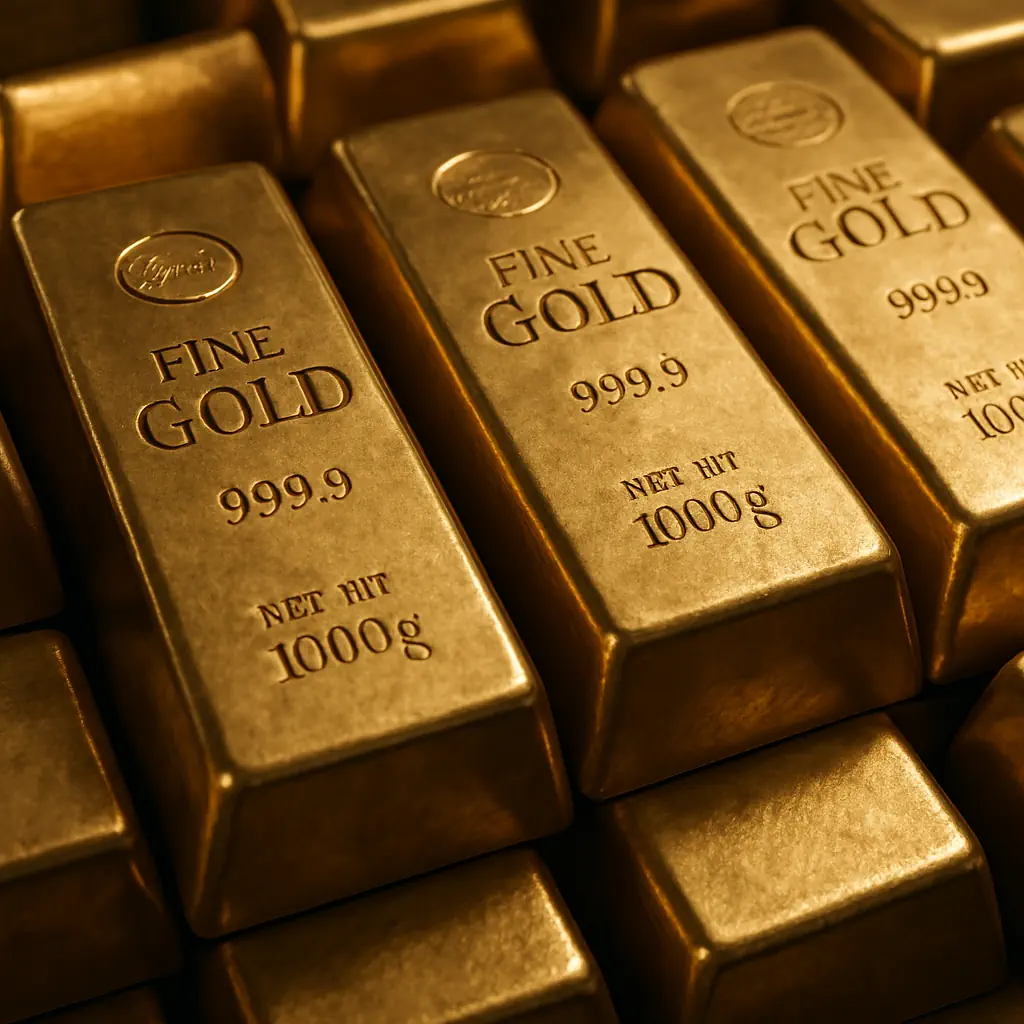
You can buy gold as coins, bars, ETFs, or mining stocks. Each method offers a different level of exposure and storage needs.
Silver’s Unique Investment Characteristics
Silver is interesting because it’s both an investment and an industrial metal. Unlike gold, manufacturers actually use up silver in products, so there’s constant demand.
Major industrial uses:
- Electronics and semiconductors
- Solar panels and renewable energy
- Medical equipment and antibacterial items
- Photography and jewelry
Silver prices swing more wildly than gold, partly because the market is smaller. That can mean bigger gains—or losses—depending on timing.
The gold-to-silver ratio is a tool investors use to gauge which metal might be the better deal. If the ratio is high, maybe silver’s cheap; if it’s low, perhaps gold is the safer bet.
Silver’s lower price point makes it easier for new investors to get started. You can buy smaller amounts and still benefit from price moves.
Strategic Value of Platinum and Palladium
Platinum and palladium are mostly industrial, with a big chunk going into car catalysts. They add diversification by giving you exposure to specific sectors.
Platinum at a glance:
- Denser and rarer than gold
- Key for diesel vehicle catalysts
- Used in jewelry and chemical processing
- Most supply comes from South Africa
Palladium in focus:
- Vital for gasoline vehicle catalysts
- Electronics demand is growing
- Main sources are Russia and South Africa
- More price swings than platinum
Both metals can face supply disruptions from geopolitical issues. That can cause sudden price jumps.
The shift to electric vehicles could change demand over time. Still, new tech like hydrogen fuel cells might open up fresh uses.
Industrial recycling adds some supply, but can’t fully replace new mining. You can invest in these metals via ETFs, futures, or by buying them outright.
Because of their volatility and industrial focus, most people keep platinum and palladium as smaller slices of their portfolios.
Selecting Investment Forms: Bullion, Coins, and ETFs
You’ve got three main ways to add precious metals to your mix: physical bullion bars, investment-grade coins, or exchange-traded funds. Each has its own pros and cons for cost, storage, and how easy it is to cash out.
Comparing Bullion Bars and Bullion Coins
Bullion bars usually have the lowest markup over spot price. If you want the most metal for your money, bars are the way to go.
Sizes range from a single ounce to massive 1000-ounce bars. Most folks stick with smaller bars (1-10 ounces) because they’re easier to sell.
Larger bars can be a hassle to authenticate and unload. Bullion coins cost a bit more but come with perks like government backing and guaranteed purity.
Coins are simpler to verify and sell. Popular picks include American Gold Eagles and Canadian Maple Leaf’s, both known for small premiums and quick sales.
Storage varies by form. Bars take up less space per ounce but might need extra verification when selling. Coins are easy to recognize but demand more room.
Popular Investment-Grade Coins
Gold coins dominate the investment market. The American Gold Eagle leads sales with its 22-karat gold content and government backing.
This coin contains one troy ounce of gold, but it weighs a bit more because of the copper alloy.
Canadian Gold Maple Leaf’s bring 24-karat pure gold to the table. They usually trade at slightly lower premiums than Eagles.
Silver coins offer an affordable way in. American Silver Eagles are the go-to for most people.
These coins pack one ounce of pure silver and come with government guarantees.
Other quality options include:
- Austrian Philharmonics
- South African Krugerrands
- Chinese Gold Pandas
- British Britannia’s
Investment-grade coins keep their premiums pretty steady. They’re way easier to sell than rare or collectible coins.
Numismatic coins? Not the best pick if you’re just looking to diversify your portfolio.
Utilizing Exchange-Traded Funds (ETFs)
Exchange-traded funds give you exposure without needing to store anything physical. You can buy or sell ETFs like stocks on major exchanges.
They make it simple to get in or out during market hours.
Popular precious metals ETFs include SPDR Gold Trust (GLD) and iShares Silver Trust (SLV). These funds actually hold physical metal in secure vaults.
With ETFs, you skip storage and insurance headaches. There’s also no premium like with physical coins or bars.
Management fees usually fall between 0.25% and 0.40% a year.
Tax advantages come into play if you use ETFs in retirement accounts. Physical metals get hit with collectibles tax rates up to 28%.
ETF gains can qualify for long-term capital gains treatment.
ETFs work great for traders or short-term moves. You can buy and sell quickly without dealer markups getting in the way.
Understanding Physical vs. Digital Holdings
Physical bullion gives you direct ownership and total control. You’re holding something real, outside the financial system.
Physical assets offer peace of mind if markets get weird.
But you’ll need to think about storage—maybe a home safe, a bank deposit box, or a professional vault. Insurance adds to the cost.
Physical metals aren’t instantly liquid, so selling takes a bit of effort.
Digital holdings through ETFs make life easier. You can trade during market hours and don’t have to worry about where to stash your metals.
Professional managers handle security and insurance, so that’s off your plate.
But digital options come with counterparty risk. If a fund closes or there’s management trouble, your holdings could be affected.
You’re relying on financial institutions and custodians to do their jobs.
Allocation strategies often mix both. Plenty of folks go with 70% in ETFs for flexibility and 30% in physical metals for that extra sense of security.
This combo tries to balance convenience with the benefits of direct ownership.
Strategies for Portfolio Allocation with Precious Metals
Most investment experts suggest percentage ranges for precious metals based on your risk profile and market conditions.
Timing and your own tolerance for risk matter a lot when it comes to allocation strategies.
Recommended Allocation Percentages
Financial advisors usually recommend putting 5-20% of your portfolio in precious metals. Conservative investors often stick to 5-10%.
More aggressive folks might go as high as 20% during uncertain times. Some models suggest 20% in precious metals for max diversification.
Gold typically makes up the biggest slice—about 60-70% of your metals allocation. Silver usually lands at 20-30% because it’s more volatile and has industrial uses.
Platinum and palladium fill in the last 10-20% for those who want extra exposure to automotive and industrial cycles.
New investors should start with gold and silver. Physical metals give you the most direct exposure, way more than mining stocks or ETFs.
Tailoring Allocation to Risk Tolerance
Conservative investors get more stability by leaning heavily on gold. Gold helps hedge against currency drops and market downturns.
If you’re up for more risk, you might bump up your silver allocation for bigger potential gains. Silver’s price swings can create opportunities for growth.
Age matters too when you’re planning allocations. Younger investors can handle higher percentages in metals since they’ve got more time to recover from market dips.
Folks nearing retirement usually want to preserve wealth, so they focus more on gold. The liquidity of precious metals makes them flexible for different risk appetites.
Portfolio size also plays a part. Smaller portfolios might just stick to gold and silver, while bigger ones can spread across all four major metals.
Time Horizons for Metal Investments
Short-term investors should stick with highly liquid forms. Gold coins and silver bars are easy to turn into cash fast.
Long-term holders do well by dollar-cost averaging into metals over several years. This smooths out the bumps from price swings.
If you’ve got a 10+ year horizon, you can think about less liquid stuff like collectible coins. Sometimes, these bring extra numismatic value over time.
Market timing isn’t as critical for the long haul. Precious metals tend to hold value over the long run, regardless of short-term ups and downs.
How often you rebalance depends on your timeline and what the market’s doing. For most, once a year works just fine.
Managing Risks and Maximizing Liquidity
Smart precious metals investors always ask: “How quickly can I turn this into cash if I need to?” Liquidity and timing market cycles matter, but so does keeping your physical assets safe.
Market Liquidity Considerations
Liquid investments are a lifesaver when you need fast cash. Gold and silver usually offer the best liquidity among all the precious metals.
Gold coins and bars from well-known mints sell fast. American Eagles, Canadian Maple Leaf’s, and Krugerrands always have buyers.
Silver’s right behind gold for market acceptance. One-ounce silver rounds and bars move quicker than the big stuff.
Platinum and palladium? They’re a bit trickier—fewer dealers, fewer buyers.
Physical vs. Paper Assets:
- With physical metals, you have to find buyers and prove they’re legit
- ETFs and mining stocks trade instantly during market hours
- Futures contracts are super liquid but need margin and know-how
It’s smart to keep at least 70% of your metals allocation in gold and silver. That way, you can raise cash quickly if the economy turns south, and you don’t have to take big price cuts.
Understanding Market Cycles
Precious metals react differently to changing economic conditions and volatility. Gold usually climbs during inflation or when currencies weaken.
When things get shaky, investors flock to precious metals for safety. During stock market crashes, gold often moves the opposite way from equities.
Key Market Indicators:
- Interest rates: Higher rates make metals less attractive
- Dollar strength: A strong dollar puts pressure on metal prices
- Inflation data: Rising inflation helps metals go up
- Geopolitical tensions: Conflicts and trade wars push up demand
Silver’s price depends a lot on industrial demand. If manufacturing slows down, silver can drop—even if investors still want it.
Platinum and palladium prices ride on the auto industry. The shift to electric vehicles could change demand for these metals.
It’s risky to chase prices during big spikes. Dollar-cost averaging helps you avoid buying at the top.
Selling? Don’t forget about taxes and timing. Hold for more than a year, and you might get a better capital gains rate.
Mitigating Storage and Security Risks
Physical precious metals need the right storage solutions to keep their value and liquidity. Bad storage can lead to theft, damage, or doubts about authenticity.
Storage Options Comparison:
| Storage Type | Security Level | Access Speed | Annual Cost |
|---|---|---|---|
| Home Safe | Medium | Immediate | Equipment only |
| Bank Deposit Box | High | Business hours | $50-$300 |
| Private Vault | Highest | Scheduled | 0.5-1.5% of value |
Home storage works for smaller stashes, but it brings insurance and security headaches. Fireproof safes for metals will set you back $500-$2,000 upfront.
Professional vaults offer better protection and regular audits. They also keep records that help prove authenticity when you sell.
Insurance is a must for larger amounts. Most homeowners’ policies only cover $1,000-$2,500 worth of precious metals.
Security Best Practices:
- Don’t talk about your holdings with others
- Split up big holdings across different spots
- Keep records and photos of what you own
- Always check dealer credentials before buying
Budget 1-2% a year for pro storage and insurance. It’s a small price for peace of mind and helps you get full value when selling.
Building a Balanced and Resilient Precious Metals Portfolio
A strong metals portfolio mixes different metals and products, and it adapts as the market changes. You’ll want to tweak your allocations based on your goals and how much risk you’re willing to take.
Combining Multiple Metals and Products
Smart investors spread their bets across gold, silver, platinum, and palladium instead of going all-in on one. Each metal reacts differently to economic shifts.
Gold forms the backbone for most portfolios. It holds up in rough times and shields against inflation.
Silver gives you more upside, but it’s a wilder ride. It’s good for those who want both industrial growth and precious metals protection.
Common Metal Allocation Examples:
- Conservative: 70% gold, 25% silver, 5% platinum
- Moderate: 60% gold, 30% silver, 10% other metals
- Aggressive: 50% gold, 35% silver, 15% platinum/palladium
You can pick from coins, bars, or even ETFs for each metal. Physical coins and bars mean you own the metal directly.
ETFs make trading a breeze, but you don’t actually hold the metal. Mining stocks add extra leverage, but they come with company risks.
Diversifying within precious metals helps lower the overall risk in your portfolio.
Adjusting Your Diversification Over Time
Portfolio needs change as you age and as markets move. Younger folks might lean toward silver for growth, while older investors usually stick with gold for its steadiness.
Market signals can nudge you toward rebalancing. If one metal gets pricey compared to the others, it might be time to cut back on that one.
Economic conditions play a role, too. When inflation runs hot, bumping up your precious metals makes sense.
But if the economy’s booming, maybe it’s smarter to trim your metals a bit.
Rebalancing Triggers:
- Metal allocation drifts 5-10% from target
- Major economic policy changes
- Significant life events like retirement
Building a balanced metals portfolio means checking in and making tweaks now and then. Most people suggest looking things over every six months to a year.
Frequently Asked Questions
Investors usually have questions about precious metals before jumping in. Common worries range from budget limits to figuring out where each metal stands in today’s market.
What are the pros and cons of investing in precious metals?
Precious metals come with a few solid perks. They help protect you from inflation and currency drops.
Gold and silver tend to hold value when markets get rocky. These metals also add diversification since they don’t always follow stocks.
Owning the physical stuff means you’re in control, which feels reassuring for a lot of people.
But there are downsides. Metals don’t pay dividends or interest like stocks and bonds do.
Storing them can get expensive over time, especially if you’ve got a big stash. Silver and platinum, in particular, bounce around in price a lot.
Selling physical metals can cost more than unloading other investments. And you don’t get any income while you’re holding onto them.
How can beginners invest in gold with a limited budget?
If you’re just starting out, fractional gold coins—sometimes as small as a tenth of an ounce—make it possible. They usually run $200 to $300, depending on gold’s price.
Gold jewelry from trusted dealers is another way in. Or, you can pick up gold ETFs, which let you buy tiny slices of gold without a huge upfront spend.
Some ETFs let you buy just one share at a time. Dollar-cost averaging helps, too—buying a bit every month, no matter the price.
Even $50 or $100 a month adds up over time.
What are the disadvantages of adding gold to an investment portfolio?
Gold doesn’t throw off any income—no dividends, no interest. You only make money if you sell for more than you paid.
That means your total returns might lag behind stocks that pay dividends. Plus, you’ve got to factor in storage and insurance costs.
Safe deposit boxes, home safes, or third-party storage all eat into your returns. Sometimes gold just sits there, not moving much for years.
The 1980s and 1990s, for example, were pretty flat for gold. If you’re not patient, that can be frustrating.
Which precious metals are considered the best investment currently?
Gold’s still the top pick for most people, mostly because it’s steady and easy to sell. Central banks keep buying it, which doesn’t hurt.
It’s the foundation for most diversified precious metal portfolios.
Silver’s got more upside, but it’s jumpier. Demand from electronics and solar panels helps support prices.
The gold-to-silver ratio gives you a sense of which is a better deal at any given time. Platinum and palladium are a bit of a wild card since they depend on car industry demand.
Electric vehicles might shake things up for those metals. Most folks keep them as a smaller slice of the pie.
How can one purchase gold stocks online?
You can buy gold mining stocks on major exchanges using an online broker. Companies like Newmont, Barrick Gold, and Franco-Nevada give you exposure to gold prices.
These stocks often move even more than the price of gold itself, for better or worse. Gold ETFs make things simpler—you can grab shares of GLD, IAU, or SGOL just like any other stock.
And if you want the real thing, online precious metals dealers sell physical gold for delivery. Just make sure to check reviews and verify the dealer’s legit before sending any money.
What is Warren Buffett’s perspective on investing in precious metals?
Warren Buffett has long criticized gold investments, calling gold an unproductive asset. He thinks gold doesn’t create value like businesses do.
Buffett prefers investments that generate earnings and real cash flow. Still, Berkshire Hathaway surprised everyone by buying Barrick Gold stock in 2020.
This move caught investors off guard, considering his previous comments about gold. The Barrick position was pretty small, and Berkshire sold it not long after.
Buffett often points out that gold doesn’t grow or produce anything. He tends to compare gold unfavorably to things like farms or businesses.
His investment philosophy leans heavily toward companies that can increase their value over time. It’s clear he believes productive assets are the way to go.