



|
Getting your Trinity Audio player ready...
|
Stock markets have soared, inflation’s cooled off, and economic uncertainty seems to be fading in many places. But central banks? They’re still buying gold at record rates—over 1,000 metric tons a year since 2022.
So, what gives? If things are looking up, why are central banks loading up on gold?
Central banks are buying gold to cut their dependence on the U.S. dollar, shield themselves from future shocks, and keep their financial independence in a world that feels more unpredictable every year.
The numbers really jump out. In the first quarter of 2025 alone, central banks snapped up 244 tons, with China, Poland, and India leading the charge. They treat gold as long-term insurance, not just a quick trade.
This isn’t just a blip—countries are changing how they manage reserves. For the first time since 1996, central banks worldwide hold more gold than U.S. Treasury bonds.
That’s a big deal. It’s not just about gold prices; it ripples through currency markets, investment strategies, and the whole global financial system.
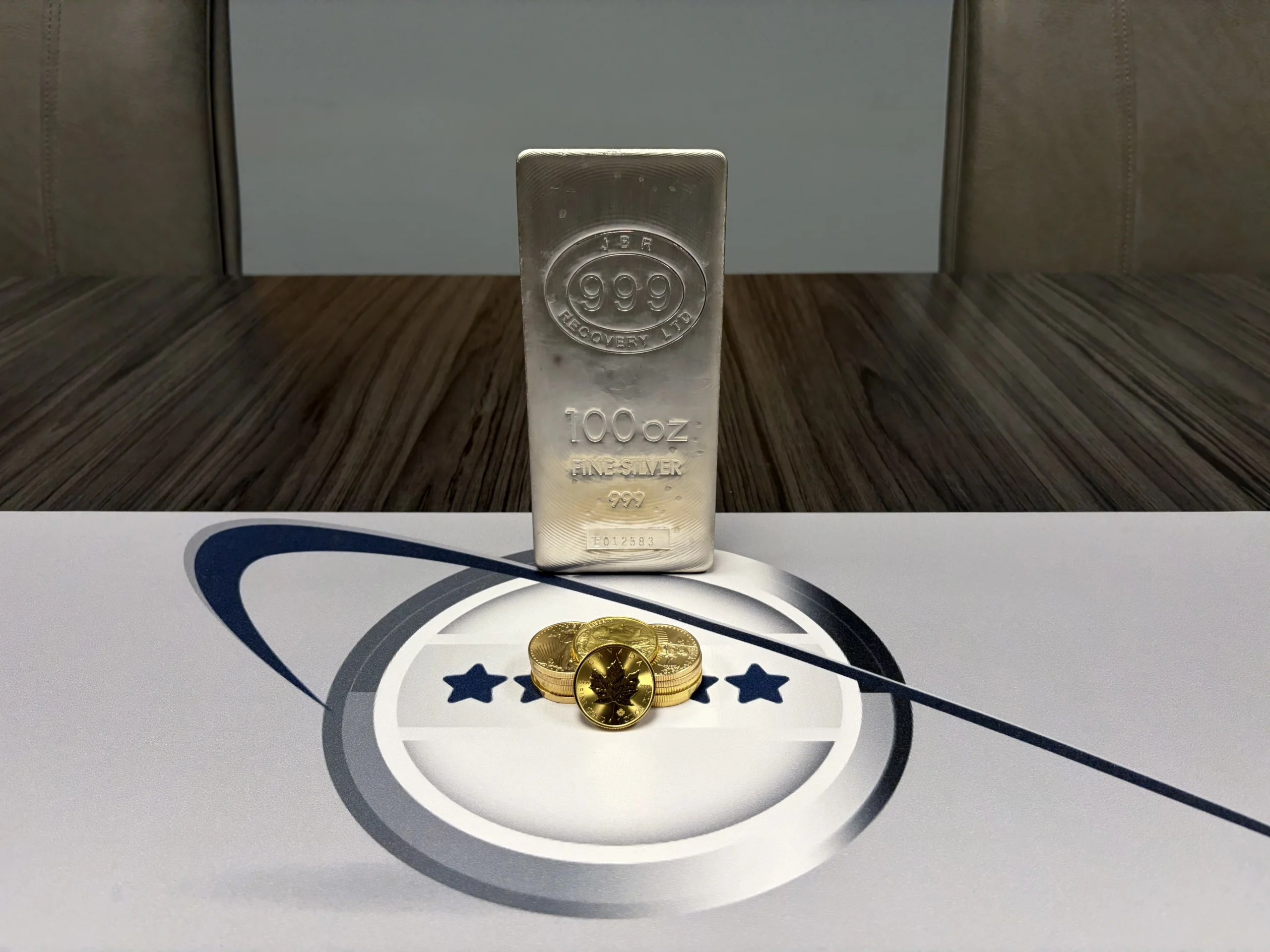
Central Bank Gold Buying Amid Rising Markets
Even as financial markets look strong, central banks keep piling into gold. In 2025, gold prices hit $4,000 per troy ounce, yet the buying hasn’t let up.
This isn’t just about switching from Treasuries—these institutions are rethinking reserves from the ground up.
Overview of Current Gold Accumulation Trends
Fifteen years straight, central banks have kept up steady gold purchases. That’s commitment, regardless of what markets are doing in the short run.
Take October 2025: central banks bought 53 tons, up 36% from the month before. Poland was especially active. Most of the buying came from a handful of central banks, not everyone at once.
These big players don’t act like private investors. They’re in it for the long haul, ignoring daily price swings.
When you see concentrated buying like this, it looks like a coordinated push to boost bullion reserves. Gold’s role in global finance is definitely bigger than it used to be.
Record High Gold Prices and Ongoing Purchases
Gold prices doubled in less than two years before October 2025. Yet, central bank demand just kept going.
Even with gold at $4,000 per ounce, these institutions didn’t slow down. They see gold as a store of value, not just a speculative bet.
Investors jumped in too, with money flowing into gold funds as central banks stocked up. That combined demand helped fuel the price rally.
Sure, there was a pause in July 2025, but by October, buying was back. It’s clear: central banks aren’t changing their minds about gold anytime soon.
Comparison With U.S. Treasuries Holdings
Now, for the first time since 1996, central banks hold more gold in reserves than U.S. government bonds. That’s a seismic shift.
They’re moving away from Treasuries, citing geopolitical tensions, inflation worries, and doubts about fiscal stability. Gold has even edged out the euro in some reserve portfolios.
It’s not just about the dollar anymore. Central banks want to avoid putting all their eggs in one basket. Gold offers an alternative that no single country can control.
This rebalancing is changing how we think about safe-haven assets. As gold piles up in central bank vaults, it’s clear they’re rethinking what really counts as a reliable reserve.
Key Motivations for Ongoing Gold Purchases
So why keep buying gold when markets are strong? Central banks are thinking long-term: currency stability, geopolitical risk, and value preservation all factor in. Their moves look more like chess than checkers.
Diversification From Reserve Currencies
For decades, central banks loaded up on reserve currencies like the U.S. dollar. Lately, though, they’re trimming those positions. Gold gives them a neutral fallback, free from the whims of other countries’ policies.
After watching the risks of too many dollar assets, more banks are spreading out. If a portfolio leans too heavily on one currency, it’s exposed to that country’s economic swings.
Gold stands out as a non-debt-based asset. No counterparty risk, no default, and no government can tank its value with a policy change.
From 2022 to 2024, annual central bank gold purchases topped 1,000 metric tons. That’s not a fluke—it’s a deliberate shift in strategy.
Mitigating Geopolitical Risk and Uncertainty
Rising geopolitical tensions make stable assets more attractive. Wars, trade fights, and sanctions cast doubt on traditional reserves like U.S. Treasuries.
Gold sits outside those systems. No nation controls it, and you can’t freeze or sanction it. That’s a huge plus for countries worried about financial restrictions.
China, India, Turkey, and Kazakhstan have really ramped up their gold reserves. They’re aiming for financial independence and less geopolitical risk. Emerging markets, in particular, have led the charge.
With global tensions on the rise, gold looks more like insurance than ever. Central banks see it as a buffer against sudden shocks.
Hedge Against Inflation and Currency Devaluation
Gold’s got a reputation for holding its value when currencies drop. Central banks use it as a hedge against inflation that eats away at reserves.
Recent years brought persistent inflation in major economies. Traditional hedges like long-term bonds lost some shine as rates bounced around. Gold, though, kept doing its job.
Central banks aren’t chasing quick wins—they want lasting value. Physical gold delivers that, no matter what governments do with their currencies.
Gold’s steady performance during inflation makes it a cornerstone for these portfolios. Unlike fiat money, you can’t just print more gold on a whim.
Safe-Haven Asset Dynamics
When markets get shaky, gold’s the classic safe haven. Investors and institutions both flock to it when things look dicey.
Basel III now ranks gold as a Tier 1 asset, right up there with cash and government bonds. Banks can hold gold without a capital penalty, which makes it even more appealing for reserves.
Even when markets are hot, central banks don’t stop buying. They’re thinking in decades, not quarters. Strong stocks don’t erase the need for a safety net.
The ongoing gold buildup shows these institutions trust it as a form of financial insurance. They buy in good times and bad, treating gold as a permanent fixture, not a quick play.
The Shift Away From the U.S. Dollar
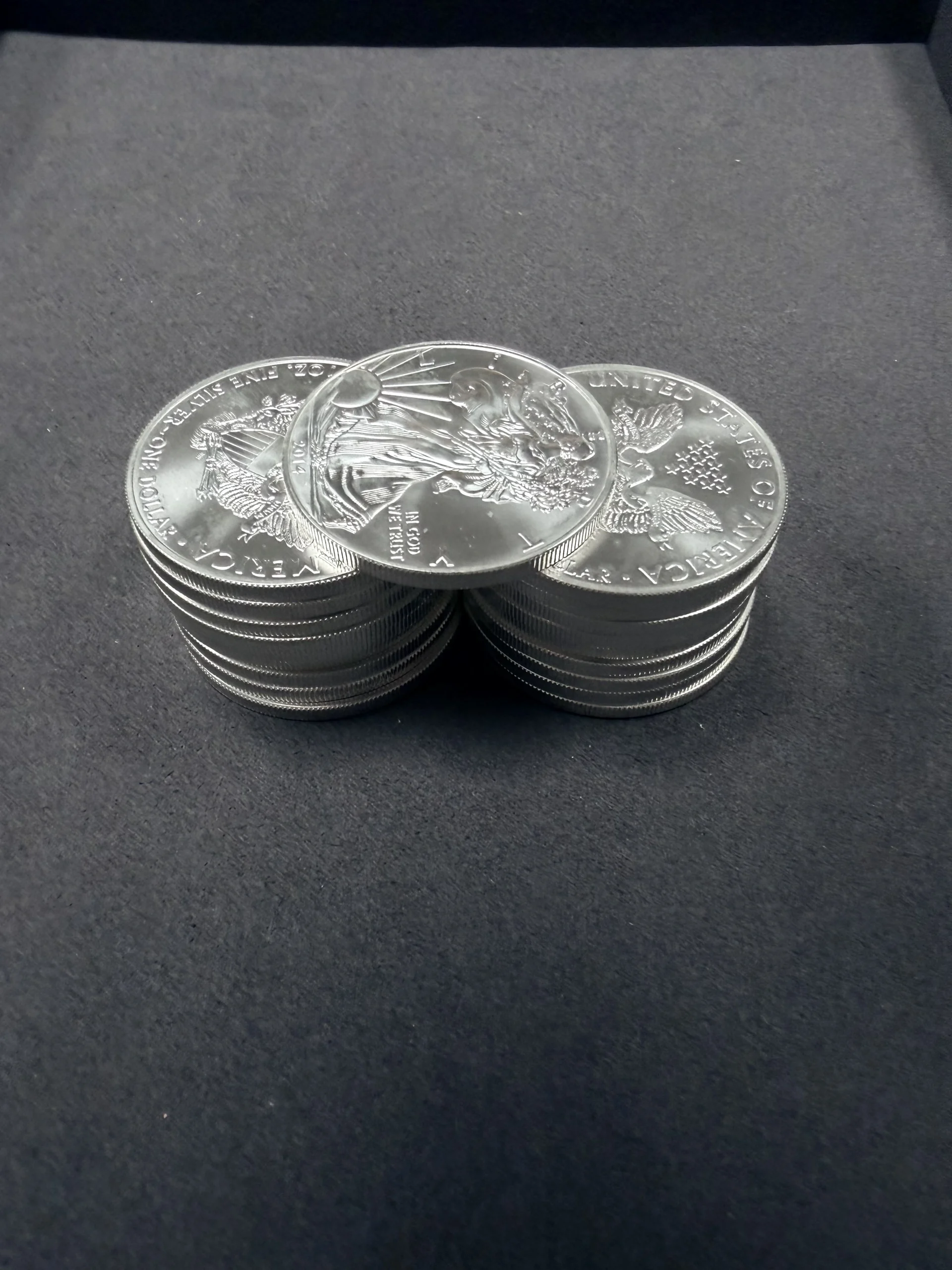
The U.S. dollar’s share of global reserves has slipped—from over 70% in 2000 to about 57% by late 2025. Central banks are spreading out, partly due to geopolitical jitters and worries about sanctions.
Declining USD Share in Global Reserves
The dollar’s still king, but its grip has loosened over two decades. IMF data puts it at 56.92% of global forex reserves in Q3 2025, down from its peak at the millennium.
This isn’t a crash; it’s a slow drift. Central banks tend to move cautiously, making small, steady adjustments.
Despite the drop, the dollar’s still way ahead of any rival in terms of liquidity and global acceptance. The euro, next in line, trails by a wide margin.
De-dollarization and Reserve Diversification
Central banks aren’t ditching the dollar, just “de-risking.” They’re adding gold and other assets to avoid relying too much on dollar holdings.
This approach does a few things:
- Cuts concentration risk in any single currency
- Hedges against geopolitical surprises
- Adds assets with no counterparty risk—like physical gold
- Builds reserves that are hard to freeze if sanctions hit
The BRICS nations have been loudest about dialing down their dollar exposure. They’re buying more gold and holding fewer U.S. assets than their Western counterparts.
Impact of Economic Sanctions and Policy Uncertainty
Sanctions have become a major reason for diversifying reserves. When assets get frozen, countries lose access fast.
IMF studies show that sanctions push central banks away from freeze-prone currencies. Gold, which can be stored at home, can’t be locked up by foreign governments.
With tensions up, more central banks see dollar holdings as a possible liability. Even neutral countries are rethinking whether heavy dollar exposure is worth the risk.
Now, reserve managers have to weigh politics as much as economics when deciding how to spread out their foreign exchange holdings.
Major Players and Regional Trends in Gold Accumulation
Between 2020 and 2025, China, Poland, and Turkey led the pack in central bank gold buying. Emerging markets, facing currency worries and shifting geopolitics, are ramping up their gold stockpiles too.
Emerging Market Central Banks Leading the Charge
China recorded the biggest increase in gold reserves during this period, adding over 350 tons to boost financial independence and cut reliance on the U.S. dollar.
India followed with 245 tons as ongoing inflation pressures and currency volatility made gold a vital hedge within official reserves.
Turkey added 252 tons between 2020 and 2025, aiming to stabilize reserves during rough economic patches.
Brazil increased its holdings by 105 tons. Other emerging markets like Azerbaijan, Thailand, and Singapore each added between 77 and 84 tons.
Central bank gold purchases from emerging economies reached 244 tons in Q1 2025 and 166 tons in Q2 2025. These numbers show a drop from the record 220 tons purchased in Q3 2024.
Notable Buying Campaigns and Repatriation Trends
Poland stands out among European buyers, increasing gold holdings by over 300 tons as part of a long-term push for monetary security.
Hungary and the Czech Republic also expanded reserves, adding 79 and 63 tons respectively.
Japan made notable purchases of 81 tons, which is a big shift for a developed economy.
Iraq and Qatar each added more than 70 tons, while the United Arab Emirates bumped up reserves by 52 tons.
Some countries went the other way and reduced holdings. The Philippines cut reserves by 65 tons, and Kazakhstan reduced by 52 tons, usually due to domestic liquidity needs.
Germany, Finland, and Switzerland posted small reductions. Switzerland’s drop was barely noticeable at just 0.1 tons.
Role of the World Gold Council and Industry Data
The World Gold Council tracks central bank gold reserves and shares key data on purchasing trends across nations. Their reports show that 2022 saw the highest annual central bank gold purchases in more than 50 years.
This strong momentum carried into 2023 and 2024.
Global central banks bought a net 20 tons in May 2025, which is a bit below the 12-month average of 27 tons.
The organization estimates that central banks now hold about one-fifth of all gold mined in history.
World Gold Council data shows gold demand hit a record 1,313 tons in Q3 2025, even with prices above $4,000 per ounce.
Central banks accounted for 220 tons of this demand, and investors added 537 tons. Appetite remains strong across different buyer groups.
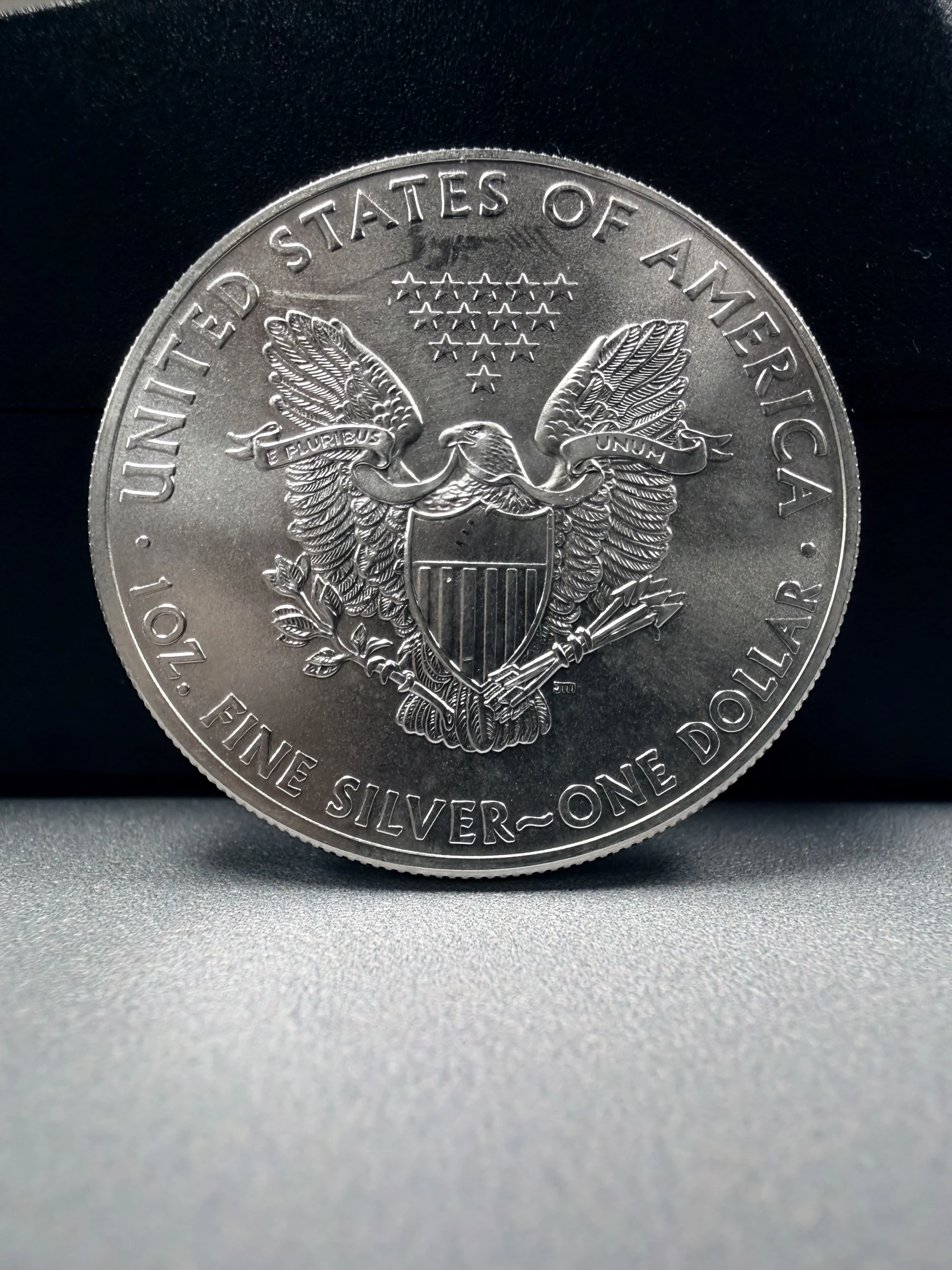
Historical and Structural Context of Gold in Central Bank Reserves
Gold has served as a monetary anchor for centuries, shifting from a direct backing for currencies to a strategic reserve asset that brings stability during economic uncertainty.
Its role has changed a lot since fixed exchange rates collapsed, but it’s still a key part of central bank portfolios worldwide.
Gold’s Role in the Global Monetary System
Gold acted as the backbone of international trade for most of modern history. Countries tied their currencies to gold, so paper money could be swapped for a fixed amount of the metal.
This setup made exchange rates predictable and kept governments from printing too much money.
Central banks held gold as their main reserve asset because it represented real value that policy decisions couldn’t devalue or print away.
The metal worked as the ultimate settlement tool for international debts. When trade imbalances popped up, countries shipped physical gold to settle accounts.
Post-Bretton Woods Evolution
The Bretton Woods system collapsed in 1971 when the U.S. ended gold’s convertibility to the dollar.
This move shifted the world to floating exchange rates with no tangible backing. Central banks suddenly had more freedom in managing their reserves.
Many central banks sold off gold during the 1980s and 1990s, seeing it as a relic that didn’t earn interest.
The UK famously sold much of its gold reserves between 1999 and 2002 at prices around $275 per ounce.
This trend changed after the 2008 financial crisis, when trust in fiat currencies and financial institutions took a hit.
Comparing Past and Present Gold Allocations
Central bank gold reserves hit about 36,000 tons by 2024, or nearly one-fifth of all gold ever mined.
The National Bank of Poland and others have been buying much more since 2022. Data shows that 68% of central banks now store gold domestically, up from roughly 50% in 2020.
In 2025, central banks held more reserves in gold than in U.S. Treasuries for the first time in decades.
This marks a real shift from the post-Bretton Woods era, when dollar-denominated assets ruled reserve portfolios. Institutions seem to be spreading their bets, moving away from heavy exposure to any one nation’s debt.
Implications for the Future of Gold and Global Financial Stability
Central bank gold buying is changing how reserves are managed and shaking up markets and financial systems.
The move toward higher gold allocation signals deeper changes in how countries manage risk and protect wealth.
Long-Term Support for Gold Prices
Central banks look set to keep buying gold at a strong pace through 2026 and probably beyond.
J.P. Morgan Global Research projects about 755 tons of central bank purchases in 2026, which is still way above historical averages, even if it’s down from the 1,000+ tons seen annually since 2022.
This steady demand helps put a floor under gold prices.
The World Bank’s Commodity Markets Outlook expects gold to hit new record highs in 2026, driven by central bank buying and industrial demand.
Gold’s share in global central bank reserves has jumped to over 23% by 2025, up from below 10% a decade ago.
This rise suggests central banks now see gold as a permanent fixture, not just a short-term hedge. Most of the buying comes from emerging markets that want less dollar exposure and more protection from geopolitical shocks.
Shifts in Sovereign Strategies and Capital Flows
Countries are actively diversifying their reserves away from traditional assets.
China, India, and Turkey led record central bank buying in 2024, reflecting broader worries about currency markets and keeping monetary policy independent.
This reallocation is changing capital flows across financial systems.
As central banks put more funds into physical gold, they cut back on other assets like government bonds or foreign currencies. The trend speeds up what analysts call de-dollarization strategies.
Euro area investors held about €1 trillion in gross notional exposures to gold derivatives as of March 2025, up 58% since November 2024.
Roughly 48% of these contracts involve bank counterparties, with most exposures tied to non-euro area entities. This setup creates dependencies on foreign players and makes the system more sensitive to outside shocks.
Potential Scenarios and Risk Factors
Gold markets aren’t immune to vulnerabilities, even with their safe-haven reputation.
Commodity markets tend to be concentrated among a few big firms, and there’s a lot of leverage with not much transparency in over-the-counter derivatives.
Recent stress in the COMEX futures market highlights some risks. In early 2025, delivery notices hit their highest since July 2007 as investors wanted physical settlement over paper contracts.
This demand strained gold borrowing costs in London and raised questions about whether counterparties could deliver.
If a severe market disruption hits, margin calls could force players to unwind leveraged positions fast. That might create liquidity stress that ripples through the financial system.
Physical gold sourcing and transport delays could leave derivatives counterparties exposed to serious losses if they can’t meet delivery obligations during turbulent times.
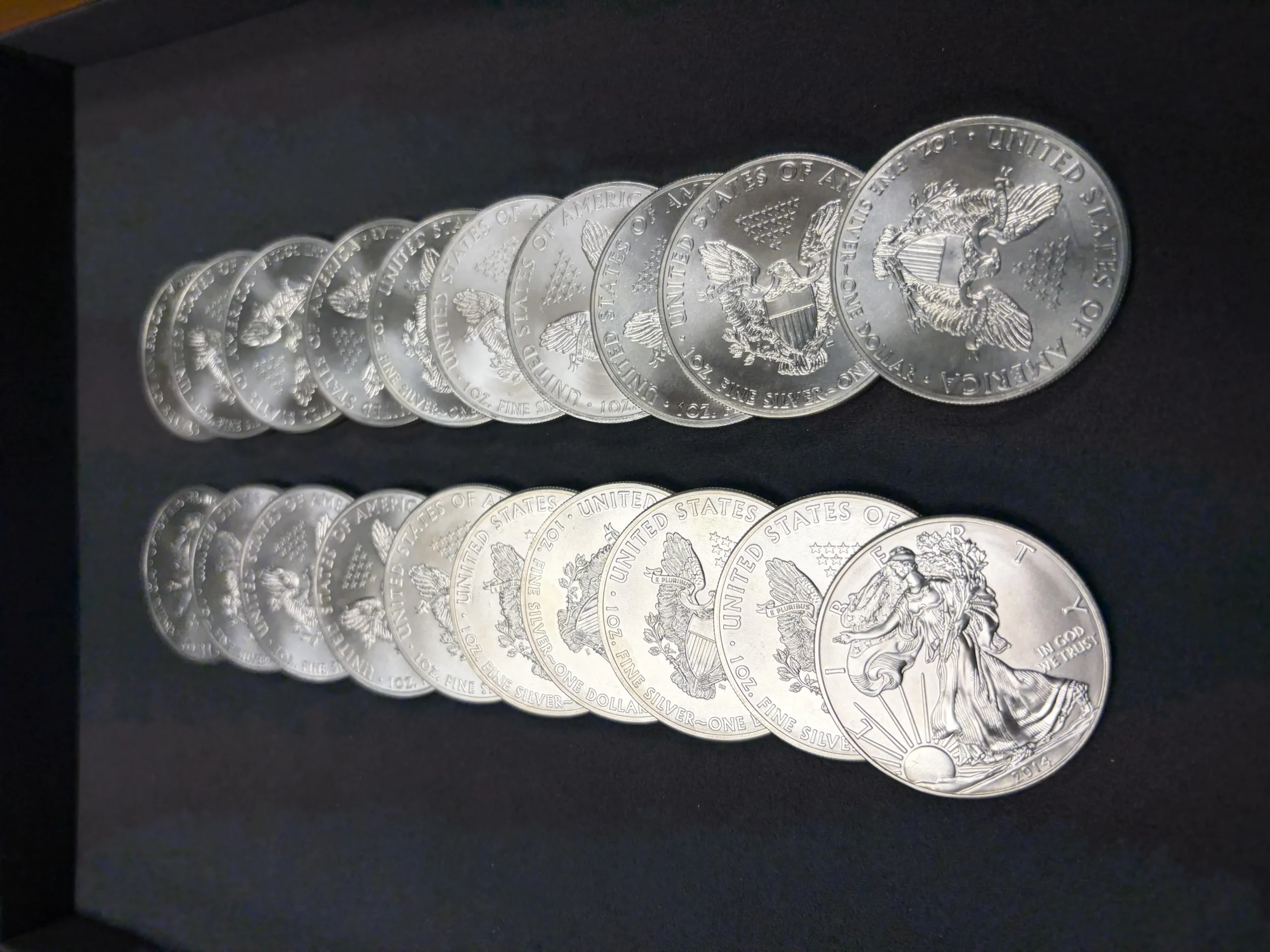
Frequently Asked Questions
Central banks keep accumulating gold even when markets are strong. They do it for geopolitical, economic, and strategic reasons that don’t really care about stock market cycles.
What motivates central banks to purchase gold when the stock market is performing well?
Central banks buy gold during strong market periods mostly to diversify reserves away from US Treasuries and cut dependence on dollar-denominated assets.
Geopolitical tensions and worries about US fiscal health drive this shift, no matter how stocks are doing. Gold works as a hedge against future economic unknowns like government policy swings, political instability, and inflation concerns.
The motivation goes beyond short-term market moves. Central banks see gold as a long-term strategic asset that protects against risks that might not show up during bull runs.
How does the current trend of central banks buying gold compare to historical patterns?
Central banks are buying gold at rates not seen since the 1960s.
For the first time since 1996, global central banks now hold more gold in reserves than US government bonds.
This marks a big change in how these institutions manage foreign exchange reserves. The trend picked up speed in 2025, with many central banks planning to boost gold reserves over the next five years.
About 76% of central banking groups say they intend to expand gold holdings through the end of the decade.
What are the strategic benefits for central banks holding gold amidst positive stock market conditions?
Gold gives central banks a stable asset that isn’t tied to any single country’s economy or policy decisions.
Unlike stocks or bonds, gold keeps its value regardless of corporate earnings or government finances.
Central banks can actively manage their gold reserves to balance returns and risk. Around 44% now do this, up from 37% the previous year. Risk management and optimizing returns top the list of reasons for this approach.
Gold also shields against currency devaluation. When markets are strong, central banks use the chance to strengthen reserves before any downturns hit.
Can central bank gold buying impact global financial stability even when markets are bullish?
Central bank gold purchases can move gold prices and shake up broader market dynamics.
Sustained buying from central banks adds upward pressure to gold prices, with some projections putting gold at $3,700 per ounce—or maybe even $6,000 by 2029.
This activity signals a shift in confidence toward traditional reserve assets. When major authorities cut US Treasuries in favor of gold, it can move bond markets and currency values.
The trend also hints at changing attitudes about the dollar’s role as the world’s reserve currency. While the dollar still dominates, central bank actions suggest they’re bracing for a more diversified global monetary system.
Is there a correlation between central banks’ gold buying behavior and their monetary policy objectives?
Central banks build gold purchases into their broader monetary policy frameworks as a tool for keeping financial stability.
The metal acts as a counterbalance to other reserve assets that might get hit by interest rate changes or quantitative easing programs.
Gold buying lets central banks diversify without messing up their main monetary policy goals. They can add gold gradually while still hitting inflation targets and managing currencies.
How do increased gold purchases by central banks reflect on their confidence in the prevailing economic environment?
The surge in gold buying, even when markets look good, shows a kind of cautious optimism. Central banks aren’t exactly brimming with confidence—they’re just hedging their bets.
They’re preparing for bumps in the road, even if things seem smooth right now. It feels like they see this market strength as a bit fragile, maybe even temporary.
So, they use these strong periods to shore up their defenses against all sorts of uncertainties—political shakeups, wild market swings, or even natural disasters.
And honestly, there’s some institutional pressure at play, too. Some central banks buy gold just to avoid tough questions from politicians or other monetary authorities about why they didn’t diversify their reserves.