



|
Getting your Trinity Audio player ready...
|
Gold gets the headlines and silver catches attention, but two rarer metals trade at steep discounts despite being essential to modern life. Platinum is 15 times rarer than gold and palladium is 30 times rarer, yet both metals trade at 60-70% below gold’s current price as of March 2026.
This price gap creates a situation many investors miss entirely.
These metals power catalytic converters in nearly every vehicle on the road.
They also play key roles in emerging hydrogen technology and other industrial uses. Most investors overlook them completely while chasing gold and silver to new highs. The disconnect between their scarcity, industrial importance, and current prices makes platinum and palladium worth understanding.
Their supply comes mostly from just two countries facing production challenges. Demand continues from industries that can’t easily substitute these metals. If you’re looking beyond traditional precious metals, these overlooked materials might just deserve a closer look.
Why Platinum and Palladium Are Overlooked in the Markets
Platinum and palladium trade at deep discounts despite being far rarer than gold, mostly because investor perceptions favor monetary metals over industrial ones.
The dominance of gold and silver in precious metals conversations, along with concerns about volatility and limited access, keeps these metals in the shadows.
Market Myths and Investor Perceptions
Many investors still view platinum and palladium as purely industrial metals, not stores of value. This idea comes from their primary use in catalytic converters, which make up roughly 40% of platinum demand and 85% of palladium demand.
So, traders often skip these metals when building portfolios. The belief that electric vehicles would rapidly replace internal combustion engines created another myth. From 2020 to 2023, many expected EV adoption to crush demand for both metals, but that didn’t quite pan out.
EV growth slowed in North America and Europe due to high costs, infrastructure snags, and fewer subsidies. Substitution concerns also muddy the waters. Automakers can swap between platinum and palladium to some extent, but both metals now face supply deficits.
The market took years to realize platinum deficits hit 1 million ounces annually, with above-ground stockpiles only lasting 3-4 years at current consumption rates.
The Impact of Gold and Silver Dominance
Gold and silver get most of the precious metals spotlight thanks to their long history as monetary assets.
Gold trades around $2,000 per ounce, with tons of marketing, established ETFs, and a cultural reputation as a wealth safeguard.
Silver rides those coattails despite its lower price. Platinum trades at $1,700 per ounce and palladium at $1,500 per ounce as of March 2026. These prices are steep discounts compared to their rarity. The precious metals market produces about 200 million ounces of silver and 100 million ounces of gold each year, but only about 7 million ounces each of platinum and palladium.
Media coverage keeps this imbalance going. Financial news outlets talk gold price moves and central bank buying all the time. Platinum and palladium barely make headlines, even after their 80% and 60% price jumps in 2025. That lack of visibility keeps new investors out of these markets.
Volatility and Accessibility Concerns
The small size of platinum and palladium markets makes for wild price swings, which scares off risk-averse investors. Palladium soared from $600 to over $3,000 per ounce between 2016 and 2021, then dropped before its recent rebound. Those kinds of moves make position sizing tricky for traditional portfolio managers. Physical investment options are limited compared to gold and silver. Coin dealers carry fewer platinum and palladium products, and the selection of bars and coins is smaller. Premiums over spot prices tend to run higher too.
Some precious metals IRAs include these metals, but not all custodians offer them. Market depth is another sticking point. The annual supply of 7 million ounces for platinum means even modest investment flows can move prices a lot. This attracts some traders but makes institutional investors nervous since they need liquidity for large positions.
Defining Platinum and Palladium: Rarity, Properties, and Group
Platinum and palladium belong to a specialized group of metals with unique physical properties and varying levels of scarcity.
They share chemical similarities but differ in abundance and market availability.
Platinum Group Metals Explained
Platinum-group metals (PGMs) include six related elements: platinum, palladium, rhodium, ruthenium, iridium, and osmium. They show up together on the periodic table and have similar chemical structures. Mining operations usually extract these metals from the same ore deposits.
South Africa cranks out about 90% of the world’s platinum, while palladium comes mainly from Russia (29%) and South Africa (27%). Russian mines often get palladium as a byproduct of nickel extraction, while South African mines pull it out alongside platinum. The supply of both platinum and palladium stays pretty steady at 250 to 280 tons per year. This limited production keeps markets tight and impacts pricing and availability.
Physical and Chemical Characteristics
Both metals look silver-white, so products made from them are nearly indistinguishable. They resist corrosion and keep their shine over time without tarnishing. Platinum has a higher density and melting point than palladium.
It weighs more for the same volume and needs higher temperatures to melt during manufacturing. Palladium is more flexible in certain applications. It’s lighter than platinum and cheaper to use in industrial settings. Both metals conduct electricity and resist chemical reactions, making them valuable in automotive and industrial applications.
Comparative Rarity and Abundance
Palladium is much rarer than platinum. Estimates say palladium is about 15 times scarcer than platinum in the Earth’s crust.
That makes palladium roughly 30 times rarer than gold. Right now, it’s the most expensive among the four major precious metals: platinum, palladium, gold, and silver. Even though platinum is more abundant than palladium, both are rare compared to common industrial metals. Their limited availability leads to price volatility and market sensitivity in the precious metals sector.
Industrial and Automotive Demand: The True Drivers
The automotive sector accounts for 36-44% of total platinum demand. Industrial applications represent 23-35%. These two sectors form the backbone of demand for both metals, driven by emission rules, catalytic tech, and new clean energy uses.
Catalytic Converters and Emission Standards
Automotive catalytic converters are the biggest use for both platinum and palladium. These devices cut harmful emissions from vehicle exhaust by turning toxic gases into less dangerous ones. Emission standards keep tightening worldwide, pushing for more advanced catalytic converter technology.
This trend means more precious metals are needed per vehicle, even if total car production changes year to year. Platinum works best in diesel engines, while palladium dominates gasoline engines. The balance between diesel and gasoline vehicle production in different regions directly changes demand for each metal. Hybrid vehicles actually need more catalyst material than regular combustion engines. This helps offset some worries about vehicle electrification, since hybrids keep gaining market share alongside fully electric vehicles.
Industrial Catalysts and Clean Energy
Industrial catalysts are another big demand driver outside of cars. Platinum catalysts are essential for making nitric acid, which supports global fertilizer production. The petrochemical industry uses platinum to boost high-octane fuel yields from crude oil.
Glass manufacturing uses platinum equipment because the metal stands up to extreme heat without contaminating or warping. Medical uses keep expanding, with platinum in cancer treatments and pacemaker electrodes.
The metal’s biocompatibility makes it hard to replace in many healthcare technologies. LED screens and glass fiber production also rely on platinum-based processes. These industrial uses provide steady demand that’s less tied to economic cycles than the automotive sector.
Role in Hydrogen Economy and Fuel Cells
Hydrogen fuel cells need platinum catalysts to turn hydrogen and air into electricity with zero emissions. Fuel cell electric vehicles refuel in just three minutes and can travel up to 600 kilometers, skipping the whole charging infrastructure hassle.
Proton exchange membrane tech uses platinum in electrolyzes to make green hydrogen from renewable energy. This hydrogen can replace fossil fuels in power generation, heating, steelmaking, and even sustainable aviation fuel.
Fleet vehicles, trucks, and buses are leading the way in fuel cell adoption. The refueling infrastructure is growing, so there’s long-term growth potential for platinum demand in transportation.
Green hydrogen production is a whole new demand category for platinum. As more countries invest in hydrogen infrastructure to hit climate targets, this sector could rival traditional automotive demand within a decade.
Diversification of End-Use Sectors
Jewelry demand makes up 24-30% of platinum consumption globally.
China drives design trends, while the US prefers platinum for engagement rings and Japan for wedding bands. Investment demand swings a lot year to year, ranging from negative 8% to positive 14% of total demand. Physical ETFs, bullion coins, and bars give investors different ways to get exposure across regions.
Electronics manufacturing needs palladium for parts in smartphones, computers, and other consumer tech. This sector adds extra support for demand, regardless of what’s happening in the car market. With demand spread across automotive, industrial, jewelry, and investment sectors, overall demand stays more stable than with single-use commodities.
No one sector has total control, which helps stabilize prices when one area slows down.
Supply Dynamics and Market Vulnerabilities
Platinum and palladium face unique supply challenges that create ongoing market instability.
Mining is concentrated in just a few countries, and recycling plays a bigger role in offsetting supply gaps.
Global Mining Concentration
South Africa and Russia dominate global platinum and palladium production, which brings a lot of geopolitical risk into the mix. South Africa produces about 70% of the world’s platinum, while Russia supplies roughly 40% of global palladium. This concentration means political tensions, labor strikes, or operational hiccups in these regions can shake up worldwide supply fast. The platinum and palladium markets are pretty small, totaling only 7-9 million ounces globally.
That limited size makes them vulnerable to even minor supply disruptions. One mine closure or export restriction can tip the whole market balance. With production so concentrated, producers have a lot of sway over pricing and availability.
Supply Chain Disruptions and Risks
Supply constraints have driven persistent market deficits in recent years. The World Platinum Investment Council says platinum market deficits averaged around 500,000 ounces a year, about 5% of total demand. These deficits have eaten away at platinum’s above-ground stocks by 49% since 2022. Physical inventory levels show how tight things have gotten.
NYMEX platinum stocks dropped over 55% since April 2025, and inventories in London and Zurich have reportedly dried up. Platinum lease rates have shot up, signaling extremely tight physical supply in major trading hubs. Palladium has had similar deficit issues for over a decade, though more recycling is helping a bit.
Recycling and Secondary Sources
Recycling has become a crucial supply source for both metals. Scrapped vehicle catalytic converters provide most of the recycled material.
As platinum and palladium prices rise, recycling gets more attractive economically. The World Platinum Investment Council expects higher prices to boost recycling supply in the coming years. This secondary supply helps with mining limitations but can’t fully solve the supply-demand gap. Recycling rates depend on vehicle scrappage cycles and collection infrastructure, which vary a lot by region.
Platinum vs. Palladium: Key Differences and Investment Implications
Platinum and palladium might look alike and share industrial uses, but they behave quite differently in the market.
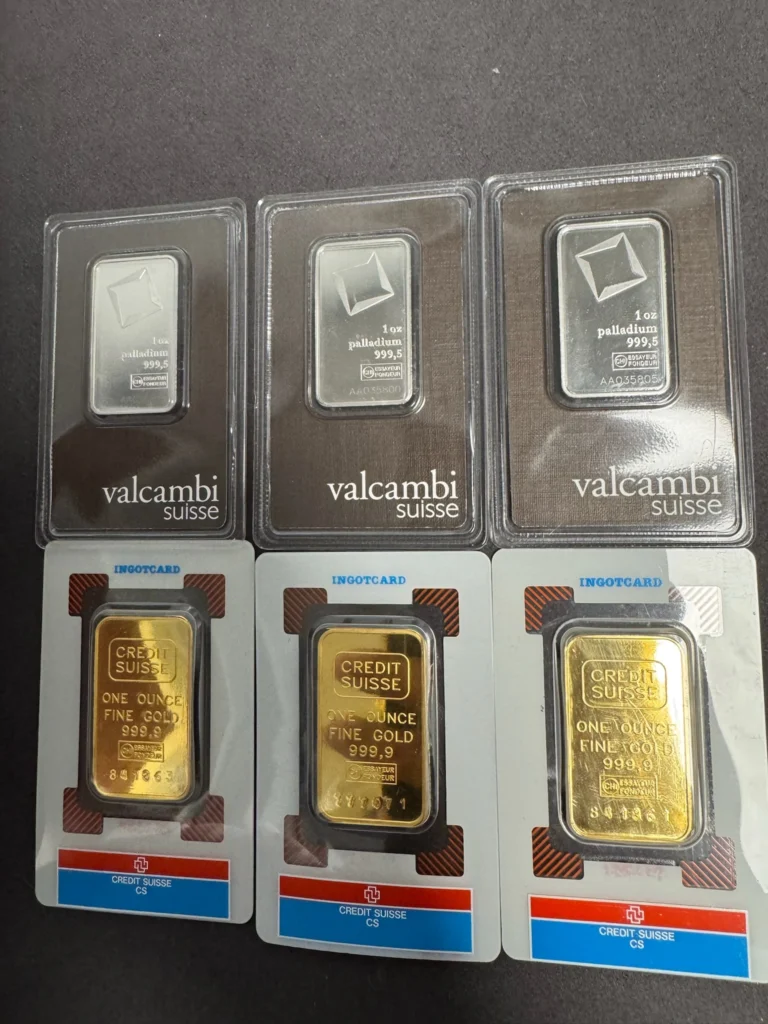
Palladium is about 15 times rarer than platinum, yet their price moves depend on unique demand sources and where production is concentrated.
Differences Between Platinum and Palladium
The physical properties of these metals set them apart in meaningful ways. Palladium is harder than platinum, so it’s more resistant to scratches and damage.
Platinum is more malleable and about 75% denser than palladium. Platinum looks brighter and shinier. Palladium, on the other hand, has a greyish sheen that stands out when you put coins or bars side by side.
Their discovery timelines are different too. Platinum was first identified around 1735, though Native Columbians had already used it for some time. William Hyde Wollaston, an English chemist, isolated palladium from platinum ore in 1803. Palladium is technically rarer, but platinum keeps similar pricing because of its broader range of applications. Both belong to the platinum group metals family, which explains why they look so similar at first glance.
Platinum Demand Trends
Automotive manufacturing drives a big chunk of platinum demand, but this sector only accounts for 29% to 42% of total usage.
This relatively balanced demand profile gives platinum more stability than palladium. Jewelry is another major demand source. Platinum’s malleability makes it perfect for rings and fine pieces. The metal’s recognizable value in jewelry markets helps support demand.
Industrial applications outside the automotive world are spread across several sectors. Platinum doesn’t rely too heavily on any single industry. The shift toward electric vehicles has reduced volatility in platinum prices. Electric cars need less platinum than gas-powered ones, so the investment landscape has calmed down compared to past years.
Palladium Demand Evolution
Over 80% of global palladium demand comes from the automotive sector. Catalytic converters for vehicles use most of it, so demand is pretty concentrated. Palladium’s heavy reliance on automotive manufacturing makes it very sensitive to changes in vehicle production. When car companies adjust output, palladium prices react fast.
Production is also concentrated. Russia and South Africa supply most of the world’s palladium, so political events in either country can disrupt supply chains and trigger sharp price moves. The 2022 Russian invasion of Ukraine was a good example. Palladium prices shot up to over $3,440 per troy ounce on supply fears.
Electric vehicle adoption threatens long-term palladium demand. These cars use much less palladium than traditional vehicles, which adds a layer of uncertainty about future demand.
Price Behavior and Volatility
Palladium swings more wildly in price than platinum. The metal hit an all-time high of $3,440 per troy ounce in 2022, while platinum peaked at $2,275 per troy ounce.
Key Price Characteristics:
- Palladium: Higher volatility, concentrated production risk, automotive-dependent
- Platinum: More stable, diversified demand, broader industrial uses
Premiums over spot price aren’t the same. Palladium products usually have higher premiums because they’re rarer and less common in coin and bar form.
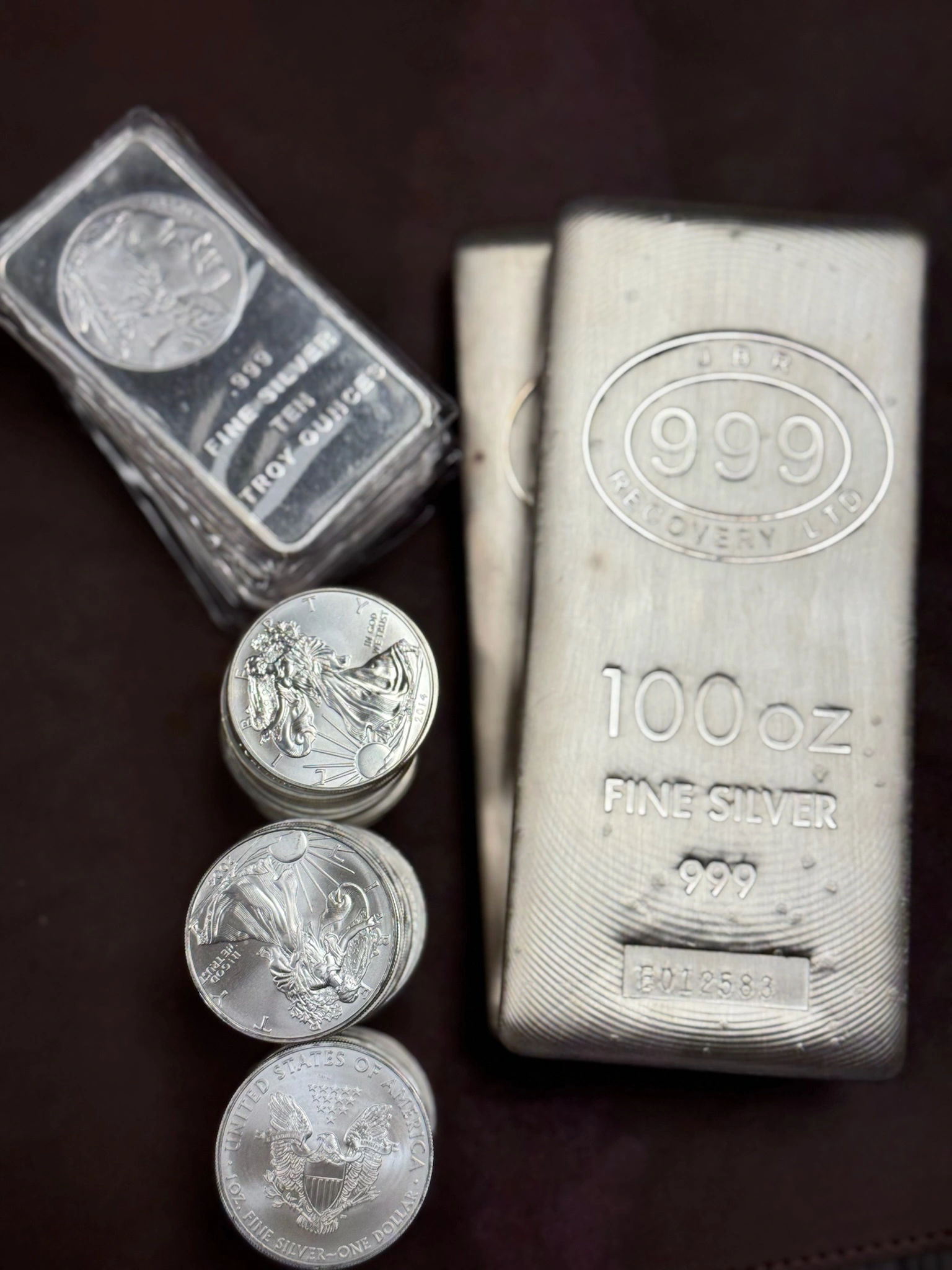
Platinum products trade at lower premiums and show up more often in bullion markets. Nearly every national mint makes platinum coins, so they’re easier to buy and sell.
Liquidity is a big deal for investors looking to exit positions quickly. Platinum’s recognition in jewelry and investment markets creates deeper buyer pools than palladium’s smaller following.
Strategic Value for Investors and Portfolio Diversification
Platinum and palladium give investors exposure to industrial demand cycles and monetary diversification that gold and silver don’t really offer. These metals react to different market forces, which creates opportunities for portfolio protection through less correlated assets.
The Case for Diversifying Beyond Gold
Gold has been the go-to safe-haven metal for generations. Still, relying only on gold leaves portfolios exposed to just a few main drivers like monetary policy and investor mood swings.
Platinum and palladium add industrial demand to the mix. Vehicle production, clean energy investments, and mining disruptions all move prices in ways that rarely match gold’s path. That kind of difference? It’s a natural hedge.
Diversifying beyond gold gives investors exposure to supply-demand fundamentals that don’t just track currency moves. Both platinum and palladium come from concentrated mining regions, so supply disruptions can have an outsized impact. Palladium is about 15 times rarer than platinum, which is something to keep in mind.
Correlation patterns are the real kicker. When gold rallies on monetary worries, platinum and palladium might move for reasons like auto production forecasts or emissions rules.
Platinum and Palladium in Precious Metals IRAs
A precious metals IRA lets investors hold physical bullion and keep tax-advantaged retirement status. Most IRA providers now offer platinum and palladium along with gold and silver.
The IRS sets specific purity standards for IRA-eligible metals. Both platinum and palladium need to be 99.95% pure. This ensures you’re getting investment-grade bullion, not just industrial scraps.
Allocation really matters. Financial advisors usually suggest keeping platinum and palladium to 10-25% of a precious metals IRA due to their higher volatility compared to gold. That way, you get some growth potential but don’t go overboard on risk.
Storage and custodian fees for platinum and palladium are about the same as for other precious metals. Investors pay annual storage costs and transaction fees when buying or selling inside the IRA.
Industrial Exposure and Precious Metals Portfolio
Holding platinum and palladium adds industrial exposure to a precious metals portfolio. These metals are key in automotive catalytic converters, electronics, and hydrogen fuel cell tech.
Platinum demand is shifting as electric vehicles replace combustion engines. That’s opening up new opportunities in hydrogen technology and chemical processing. Platinum currently trades at historically low ratios compared to gold, which could mean value entry points if you’re willing to be patient.
Palladium faces a different set of challenges. Its reliance on gasoline vehicle catalytic converters makes it vulnerable as EV adoption speeds up. Still, demand from hybrid vehicles provides some near-term support.
Investors can build a portfolio that balances stability and growth. A common approach is 50-60% gold, 20-30% silver, and the rest split between platinum and palladium based on how you see the industrial outlook and your own risk tolerance.
Frequently Asked Questions
Platinum and palladium come with their own unique price patterns, industrial demands, and investment quirks compared to gold and silver.
What factors contribute to the pricing dynamics of palladium versus platinum?
Supply concentration is a huge driver of palladium’s price swings. Russia and South Africa produce over 70% of the world’s palladium, so prices react fast to geopolitical events and mining hiccups.
The automotive industry’s demand is another big piece. Palladium prices move directly with gasoline vehicle production since about 80% of palladium goes into catalytic converters for petrol engines.
Platinum faces different pressures. It trades at a discount to gold, even though it’s rarer, mostly because of reduced jewelry demand and past oversupply worries. Lately, automakers have started swapping palladium for platinum in catalytic converters to save on costs, which is shifting demand for both metals.
Market sentiment matters too. Platinum sometimes gets attention as a value play, while palladium is more of a high-volatility bet tied to specific industrial cycles.
How do the industrial uses of palladium and platinum compare?
Palladium is used mainly in gasoline engine catalytic converters. The automotive sector eats up about 80% of total palladium demand, making it highly cyclical and sensitive to car production trends.
Platinum is more versatile. It works in both diesel and gasoline catalytic converters, and manufacturers are starting to use it more as a palladium substitute. Platinum also has roles in petroleum refining, electronics, and chemical production.
Green energy tech is a growing use for platinum. It’s a catalyst in hydrogen fuel cells and electrolyzers, so it could become even more strategic as we shift toward cleaner energy. That might shake up platinum’s market dynamics down the road.
Both metals resist corrosion, handle high temps, and stay stable under tough conditions. That’s why they’re so valuable for heat-intensive industries.
What are the key considerations when investing in platinum and palladium?
Supply risks are a big deal with these metals. Since Russia and South Africa dominate production, political instability, strikes, or export bans can hit supply hard.
Industrial demand patterns are different. Platinum gives you exposure to the hydrogen economy and a wider range of industries. Palladium is more of a focused play on gasoline vehicle production and short-term auto trends.
Palladium is usually more volatile than platinum. If you like tactical trading, palladium’s swings might appeal to you. For steadier exposure, platinum’s relative stability could be a better fit.
Substitution trends are important for long-term investors. As automakers use more platinum instead of palladium in catalytic converters, the demand picture is going to keep changing. This could help support platinum prices and put a lid on palladium’s growth.
How has palladium’s market price trended in recent years?
Palladium hit record highs not long ago, sometimes becoming the priciest of all four major precious metals. Tight supply and strong auto demand pushed it above platinum, gold, and silver.
The market’s been anything but calm. Geopolitical events—especially involving Russia—have caused big price swings. Production disruptions and shifts in the auto industry have added to the rollercoaster.
Current pricing reflects a lot of uncertainty about future demand. The move toward electric vehicles makes people question how much palladium will be needed long-term. Automakers swapping platinum for palladium adds even more price pressure.
What are the options for investing in platinum and palladium ETFs?
Exchange-traded funds make it easy to get exposure to both metals. Physical-backed ETFs hold actual platinum or palladium in vaults, and each share represents a set amount of metal.
Futures-based ETFs are another route. These funds invest in platinum and palladium futures contracts, which can perform differently because contracts need to be rolled forward.
Some ETFs mix both metals or combine them with other precious metals. These diversified funds let you gain exposure to platinum group metals without betting everything on a single metal.
Mining company ETFs offer an indirect approach. They invest in companies that produce platinum and palladium, so you get leveraged exposure to metal prices—but also company-specific ups and downs.
In what industries and applications is palladium most commonly used?
The automotive industry leads palladium consumption. Catalytic converters in gasoline vehicles need palladium to cut down harmful emissions.
Vehicle production really drives demand for this metal.
Electronics manufacturing also makes use of palladium in several components. You’ll find it in multilayer ceramic capacitors, hybrid integrated circuits, and connector platings because of its reliable conductivity.
Dentistry sometimes turns to palladium for certain alloys. Dental restorations and bridges may include palladium, but honestly, this is a much smaller slice of the overall market.
Chemical production facilities use palladium as a catalyst. The metal helps kickstart various chemical reactions in industrial processes, but this isn’t a major source of demand compared to the auto sector.