



|
Getting your Trinity Audio player ready...
|
Gold is on everyone’s mind lately. Central banks keep adding it to their reserves, and prices just keep climbing.
People ask if now’s the right time to get in—or if waiting might be smarter. Honestly, there isn’t one perfect answer for everyone.
The best time to add gold really depends on your goals, what you already own, and how well you understand what drives gold prices. Most experts suggest at least 15% gold in your portfolio to help hedge against economic messes.
But deciding isn’t just about chasing trends or reacting to headlines.
This guide explores how investors move from just being curious about gold to actually feeling good about buying it. We’ll talk about the main reasons people buy gold, how it fits into a balanced portfolio, and practical ways to invest based on your own situation.
Key Motivations for Adding Gold
People turn to gold for solid reasons—mainly protection and stability. Gold acts as a buffer when currencies lose value, offers some peace of mind during market chaos, and keeps its buying power over time.
Hedge Against Inflation and Economic Uncertainty
Gold can shield you when inflation eats away at your cash. When prices go up, paper money buys less, but gold usually holds its own.
There’s a clear link between commodities and inflation, and gold stands out for preserving purchasing power. Sure, it doesn’t pay interest or dividends, but it doesn’t tank when other assets do.
Central banks know this. In 2022, they bought more gold than they had in over a decade, pushing demand up 18%. Investment demand alone hit 1,107 tons that year.
Gold’s inflation protection gets stronger when demand keeps outpacing supply by about 500 metric tons a year. That gap helps push prices higher during uncertain times.
Adding gold often means smaller losses when markets crash. Since 2007, gold returned 11.65% during seven crisis periods, while the S&P 500 dropped 12.56% in those same events.
Safe-Haven Asset in Times of Crisis
Gold’s a classic crisis asset because you don’t have to worry about someone else paying you back. Stocks and bonds come with counterparty risk, but gold just is what it is.
Look at March 2023—when Silicon Valley Bank collapsed, gold shot past $2,000 an ounce in just ten days. This happens a lot during big global shocks.
It’s been a store of value for 3,000 years. The British Pound feels old, but it’s only been around for 1,200 years. Gold can’t go to zero; it’s got real, intrinsic value, no government required.
Plus, you can turn gold into cash almost anywhere, thanks to the global spot market. In an emergency, you can walk into a jewelry shop or coin dealer and walk out with cash.
Preservation of Wealth Across Market Cycles
Gold keeps wealth alive across generations. It holds its value no matter which assets are in favor at the moment. Big funds usually keep about 3% in commodities, and gold makes up roughly 5% of that.
Mixing gold into your portfolio helps cushion the blows during market crashes and can even boost returns over time. The data says adding gold to stocks and bonds cuts down on volatility.
Gold miners have enjoyed steady cash flows and reserves lately. Mining costs haven’t jumped much, but prices have, which is a good setup for holding value.
The Lindy Effect suggests that because gold’s lasted millennia as a store of value, it’ll probably keep that role. For thousands of years, families and governments have leaned on gold and silver to build lasting wealth.
Evaluating Gold’s Role in Portfolio Diversification
Gold doesn’t move like stocks or bonds, which opens up ways to smooth out portfolio volatility. Knowing how these relationships work and what size allocation makes sense can help you make better calls about adding gold.
Correlation with Traditional Assets
Gold usually does its own thing compared to stocks and bonds. In the 2008 financial crisis, gold prices went up while stocks tanked. That negative correlation becomes really useful when things get rough.
Historically, gold’s correlation with equities hangs between -0.1 and 0.2. When stocks fall, gold often holds steady or rises. The bond relationship is a bit more unpredictable and depends on rates and inflation expectations.
These correlations shift over time. In calm markets, the link weakens, but during crises or high inflation, gold’s unique behavior stands out and helps more with diversification.
Balancing Risk and Return
Gold has managed solid long-term returns while making portfolios less jumpy. From 2000 to 2025, it averaged about 9-10% a year, which is right up there with many stock indexes.
Adding gold to a basic 60/40 stock-bond mix can lower your risk. Studies say portfolios with 5-10% gold saw smaller losses during downturns. Gold’s liquid and doesn’t depend on anyone else’s promises.
But remember, gold doesn’t pay dividends or interest. You’ll need to weigh that against its potential to appreciate and help reduce risk.
Strategic Allocation Recommendations
Most strategists suggest 2-10% of your portfolio in gold for diversification. Five percent is a good middle ground for folks just starting out.
Conservative investors might lean higher, while growth-focused types may stick to 2-5%. It really comes down to your risk comfort, investment timeline, and what you already own.
You can buy gold through physical bullion, ETFs, mining stocks, or futures contracts. Each option has its own costs, tax quirks, and storage issues. Rebalancing helps you stay on track as gold prices move around.
Understanding Gold Price Drivers
Gold prices react to a mix of economic forces that you can keep an eye on. Real interest rates, currency swings, and the physical market all play their parts in shaping spot and future prices.
Supply and Demand Dynamics
Gold supply grows slowly—about 1-2% a year from mining. That means demand changes drive most price swings, not supply shifts.
Central banks have turned into big buyers since 2022, wanting to move away from the dollar. Investment funds also push prices around through ETF flows. Jewelry demand, especially from India and China, adds another layer during festivals or boom times.
When central banks buy more gold, they’re showing long-term confidence. Their buying supports years-long price trends. Meanwhile, investor demand through financial products can shift fast, making gold prices jumpy in the short term.
The spot price shows this real-time tug-of-war between buyers and sellers in the physical market.
Global Economic and Geopolitical Factors
Real interest rates are the biggest driver of gold prices. When bond yields drop below inflation, gold looks good because it keeps its buying power without needing to pay interest. High inflation and low bond returns set the stage for gold to shine.
Gold and the U.S. dollar move in opposite directions. A strong dollar makes gold pricier for foreign buyers, which can slow demand. The Fed’s rate decisions directly impact both the dollar and the appeal of gold compared to interest-paying assets.
Geopolitical drama triggers safe-haven buying. Wars, political messes, trade fights, and banking scares send investors running to gold. During the 2020 pandemic, gold shot past $2,000 as people bailed on riskier markets.
Spot Price Versus Future Price Movements
The spot price is what gold trades for right now. Futures prices show where traders think gold will be at certain points ahead. That gap creates opportunities—and risks—for investors.
Trader mood and positioning drive short-term moves, even when the fundamentals don’t change much. The Commitment of Traders (COT) reports reveal how speculators and commercial players are betting in the futures market. When everyone crowds to one side, a reversal often follows.
Volatility indexes and open interest trends offer more clues about market expectations. High open interest in futures usually means traders feel strongly about where gold’s headed. When everything lines up—falling real yields, a weak dollar, geopolitical stress, central bank buying, and bullish sentiment—gold can rally hard.
Deciding When to Invest in Gold
To figure out when to buy gold, you need to watch economic signals and know your own financial situation. The decision depends on what’s happening in the markets—and what you want from your portfolio.
Market Timing and Economic Indicators
Economic indicators often point to good moments for gold. Inflation rates are a big one—when inflation tops 3-4%, gold usually gets more attractive because cash loses buying power.
Interest rates and gold move in opposite directions. When central banks cut rates or keep them low, gold looks better since bonds and savings accounts barely pay. Keep an eye on the Fed’s moves and announcements.
The U.S. dollar’s strength matters a lot. A weaker dollar tends to lift gold prices, since it’s cheaper for international buyers. Fears of currency devaluation in any big economy can also create buying opportunities.
Key indicators to watch:
- Consumer Price Index (CPI) monthly reports
- Federal Reserve interest rate decisions
- U.S. Dollar Index (DXY) movements
- Geopolitical tensions or conflicts
Identifying Ideal Portfolio Entry Points
Before buying gold, investors should look at their own financial situation. It’s smart to have an emergency fund and keep high-interest debt in check before adding gold to a portfolio.
Portfolio mix matters. Most financial advisors suggest keeping gold at 5-10% of total assets for diversification.
New investors sometimes start with just 3-5% and see how things go. You can always tweak your allocation as markets shift.
Entry timing really depends on your personal goals. If you’re thinking long-term, buying small amounts regularly—dollar-cost averaging—can help smooth out price swings.
This method makes it less likely you’ll buy at a peak. It feels less stressful than trying to predict the perfect moment.
Risk tolerance shapes timing too. Conservative folks often add gold when stocks get wild, while others might wait for price drops.
Your age and how close you are to retirement also play a part in when to increase gold holdings.
Popular Ways to Add Gold to Your Portfolio
You can get gold into your portfolio in a few different ways, and each has its quirks. Physical gold gives you direct ownership, while paper options let you invest without ever touching the metal.
Buying Physical Gold: Bars, Bullion, and Jewelry
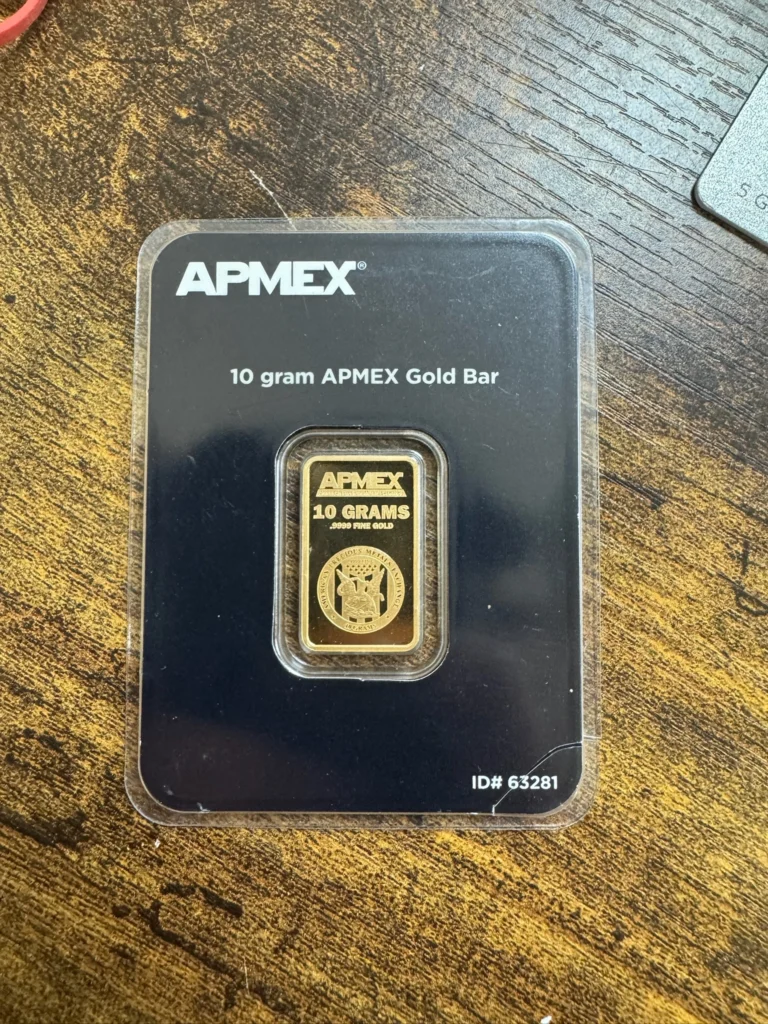
Physical gold comes as bars, bullion coins, or even jewelry you can hold in your hand. Bars range from tiny one-gram pieces up to hefty 400-ounce blocks, though most people start small.
Retailers like Costco sell gold bars with markups of 1% to 2%. Walmart has options as low as one gram for about $227.
Buying physical gold means you’ll need a safe place to keep it, either at home or in a professional vault. Always double-check that your dealer is reputable to avoid fakes.
Jewelry usually isn’t the best investment because of high markups for craftsmanship. It’s more for wearing than for wealth-building.
With physical gold, you own it outright—nobody stands between you and your metal. But selling can take time, and you might pay fees to prove your gold’s real.
Investing through Gold ETFs and Mutual Funds
Gold ETFs make it easy to buy shares that track gold’s price, no storage required. They trade on regular stock exchanges, and you can get started for just a few bucks.
Brokers like Fidelity and E*TRADE offer gold ETFs with zero commission fees. Gold mutual funds, on the other hand, usually invest in mining company stocks instead of the metal itself.
Professional managers run these funds and charge annual fees. ETFs are super liquid—you can sell anytime the market’s open.
Storage and insurance are baked into the ETF’s expense ratio, so you don’t have to worry about those details. It’s a good route for folks who want gold exposure but not the hassle of owning bars or coins.
Gold Mining Stocks and Companies
Gold mining stocks let you buy shares in companies that dig up and sell gold. These stocks often move with gold prices but also depend on how well the company is run and its costs.
If gold prices jump, mining companies can sometimes see bigger gains than the metal itself. But things like mine closures or bad management can drag down the stock even if gold’s doing fine.
You can pick individual mining stocks or go with mutual funds holding a bunch of them. Just be ready to do more homework on the companies than you would with an ETF.
Exploring Gold IRAs and Retirement Accounts
Gold IRAs let you hold physical gold in a retirement account with tax advantages. Companies like Goldco and American Hartford Gold help with storage and buying for your account.
Traditional gold IRAs come with tax deductions on what you put in, while Roth gold IRAs let you withdraw tax-free in retirement.
Goldco has a $25,000 minimum and annual fees around $275. American Hartford Gold starts at $10,000 with lower annual fees, about $175 for smaller accounts.
Gold IRAs have strict IRS rules about purity and approved storage. You’ll pay setup, custodian, and storage fees, which can eat into returns.
These accounts really suit those who want to hold gold for the long haul as part of a retirement plan.
Risks and Considerations When Investing in Gold
Gold comes with its own set of risks, different from stocks and bonds. Prices can swing, storage is an issue, and hidden costs can add up over time.
Volatility and Opportunity Costs
Gold prices jump around based on the economy, currencies, and central bank moves. In 2013, gold dropped nearly 10% when investors switched to stocks.
Unlike stocks or bonds, gold doesn’t pay dividends or interest. Over the long haul from 1971 to 2024, gold averaged 7.98% annual returns, while the S&P 500 clocked in between 10% and 12%.
That gap is your opportunity cost for holding gold instead of stocks. Gold futures complicate things further, requiring margin accounts and bringing the risk of big losses as well as gains.
Short-term swings make gold a bad fit for immediate goals, like saving for a house in two years. The IRS also taxes gold as a collectible, hitting long-term gains with a 28% rate—higher than the 15-20% for stocks.
Liquidity and Storage Challenges
Physical gold needs secure storage, which isn’t free. Bank deposit boxes can cost $20 to $200 a year depending on size and location.
Vault services usually charge 0.5% to 1% of your gold’s value each year, plus insurance. Selling physical gold is slower than dumping stocks or ETFs—dealers might offer less than market price, especially if you need to sell fast.
So, gold doesn’t work well as an emergency fund. Digital gold platforms are convenient but rely on third-party storage, so you need to read the fine print to know what happens if the platform goes under.
Gold ETFs offer better liquidity, but you lose that feeling of holding the real thing.
Costs, Fees, and Transparency
Gold dealers tack on premiums above spot price, sometimes as high as 5-10% for coins. Fake coins and inflated premiums are out there. In 2024, gold bar scams cost Americans $126 million.
Fee structures differ by product:
- Physical gold: Storage, insurance, dealer markups
- Gold ETFs: Annual expense ratios (usually 0.25-0.40%)
- Gold mining stocks: Brokerage fees, company-specific risks
- Gold futures: Margin requirements, contract rollover costs
Stick to certified dealers listed by the U.S. Mint. Digital gold platforms need extra scrutiny—always check where your gold is stored and how you can redeem it.
Hidden fees pile up over time and quietly chip away at your returns.
Frequently Asked Questions
People ask a lot of the same questions when they start looking at gold and precious metals. Here are some answers around allocation, timing, metal comparisons, and a few myths that keep popping up.
What factors should be considered when adding gold to an investment portfolio?
Diversification is the main reason to add gold. Most advisors say keep it under 3% of your total portfolio.
Your age and investment timeline matter a lot. Younger folks with decades ahead might choose a different allocation than someone near retirement.
Risk tolerance shapes how much gold you hold. Gold acts as a protective asset during uncertain times or when interest rates are low.
Investment costs are worth a close look. ETFs usually have lower fees and better tax treatment than physical gold, which brings extra storage and insurance expenses.
Always review your full asset mix before adding gold. It should round out your portfolio, not take it over.
Is now a good time to invest in gold given the current market conditions?
Gold prices hit record highs, nearing $3,600 per ounce in March 2026. It’s up about 35% this year alone.
Economic uncertainty is fueling demand. Central banks keep buying, and global tensions aren’t helping things settle down.
When the Federal Reserve cuts rates, gold usually benefits, since it doesn’t pay interest. Still, timing the market is tough—no one really knows if gold’s rally is just starting or about to end.
Markets move fast. It’s probably better to focus on how gold fits your long-term plan than to stress over short-term price moves.
How does the performance of silver stocks compare to owning physical silver?
Silver stocks and physical silver react differently in tough markets. Mining stocks face business risks that go beyond just metal prices.
Physical silver sticks closer to the actual commodity price. ETFs backed by silver let you invest without worrying about where to store it.
Stock prices for miners depend on company performance, management, and production costs. That can make them move out of sync with silver itself.
When silver prices rise, mining companies might see bigger percentage gains. But it’s not guaranteed.
Liquidity is another difference. Silver ETFs trade easily, while selling physical silver means finding a dealer and dealing with transaction spreads.
Why might the copper to gold ratio be significant for investors?
The copper to gold ratio says a lot about the economy. Copper gets used in industry, while gold is more of a safe haven.
If the ratio rises, it usually means optimism about growth—copper prices climb relative to gold. When it falls, investors are nervous and flock to gold instead.
Watching this ratio can clue you in to shifts in market sentiment. Sometimes, it even hints at bigger market changes ahead.
Industrial demand drives copper, while fear and uncertainty drive gold. That’s the core of why this ratio matters.
When is it too late to start investing in silver?
There’s no age or deadline for getting into silver. It really comes down to your financial goals and situation.
If you need your money soon, be careful—precious metals can be volatile and might not fit short timelines.
Rebalancing your portfolio is important at any age. If you already have a lot of precious metals, you might not need more silver.
Goals matter more than age. If you’re after inflation protection or diversification, you can add silver when it makes sense for you.
Market prices can affect when you buy, but high prices might just mean starting small rather than skipping silver altogether.
What are common misconceptions about investing in precious metals such as gold and silver?
A lot of folks think gold always shields you when stocks tank. Sure, gold shines during some crises, but it doesn’t magically go up every single time the market dips.
Some swear by physical metals over ETFs. But let’s be real—owning actual gold means paying for storage, insurance, and sometimes pretty hefty transaction costs.
There’s this idea floating around that precious metals generate income. In reality, gold and silver don’t pay dividends or interest at all.
People expect mining stocks to move exactly with metal prices. But mining companies have their own set of headaches and risks, so their stock prices can wander off in unexpected directions.
Many assume you need a huge chunk of your portfolio in precious metals for them to matter. Most financial pros suggest keeping gold under 3% of your total investments.
And it’s not just a niche thing—some think only certain types of investors should bother with metals. Actually, both cautious and more adventurous investors can find a spot for gold or silver if it fits their comfort zone.
Access our Free Kit here!