



|
Getting your Trinity Audio player ready...
|
Gold prices have shattered records lately, pushing past $4,000 per ounce while interest rates stay high. That’s not what you’d expect—usually, higher rates make gold less appealing to investors.
But gold is proving way more resilient than most thought, thanks to central banks buying huge amounts, ongoing inflation worries, and a global push away from the dollar.
The old rules about gold and interest rates just aren’t working right now. Normally, when rates rise, investors chase bonds and other interest-paying assets instead of gold.
Gold doesn’t pay any yield, so it should, in theory, lose its shine. Yet, the precious metal keeps climbing anyway.
Central banks in developing countries are now stockpiling gold at levels we haven’t seen before. Inflation fears linger, even with rate hikes.
These changes are shaking up what drives gold prices and what it means for investors looking to protect their money.
Major Drivers of Gold’s Resilience Amid Rising Rates
Gold’s strength during rising interest rates isn’t just about rates anymore. Real interest rates, currency moves, and supply-demand dynamics have all helped gold climb, even as nominal rates go up.
Real Interest Rates Versus Nominal Rates
Real interest rates matter more than nominal ones when you look at gold’s performance. Real rates factor in inflation by subtracting it from the nominal rate.
When inflation runs hot, nominal rates can rise while real rates stay low or even negative. In that case, cash and bonds lose purchasing power faster than they earn interest.
Gold holds its value better during these times. In 2025, inflation stuck around despite higher nominal rates.
The Federal Reserve felt pressure from both inflation and slowing growth. Investors turned to gold as a hedge, even with rates up.
Gold prices and real rates usually move in opposite directions. When real rates fall or stay negative, gold rallies harder.
That’s why gold surged over 50% in 2025, even as rates climbed.
Shifts in US Dollar Strength
The US dollar’s value plays a big role since gold is traded globally in dollars. A weaker dollar makes gold cheaper for buyers overseas, boosting demand.
In 2025, the dollar faced pressure from fiscal worries and geopolitical tensions. Central banks diversified away from dollar-heavy reserves.
This move chipped away at dollar dominance and lifted gold prices. Trade policy changes and tariff debates stirred up uncertainty in currency markets.
Efforts to bring manufacturing back home and supply chain snags pushed up domestic costs. All of this weighed on the dollar’s strength over time.
Dollar weakness gave gold a tailwind throughout 2025. Even when the dollar had brief strong spells, gold held up—central bank buying and safe-haven demand kept it afloat.
Supply and Demand Imbalances
Central banks went on a gold-buying spree in 2025, driving persistent demand and supporting prices. This marked a real shift in how governments view gold in their reserves.
Key demand drivers included:
- Central bank purchases at elevated levels
- Safe-haven flows from geopolitical tensions
- Portfolio diversification by institutional investors
- Industrial demand for gold in technology sectors
Gold hitting $3,400 per ounce showed just how tight supply had gotten. Mining output crept up only slowly, while demand outpaced it.
Jewelry buyers’ demand moved with prices but stayed strong in major markets. Supply chain hiccups also hit mining and refining, making it tough for supply to catch up.
This mismatch between limited supply and strong demand kept gold prices under upward pressure all year.

Central Bank Strategies and the Rise of De-Dollarization
Central banks around the world are reworking their reserves, buying more gold and cutting back on dollars. Gold reserves hit 27% of total global central bank assets by late 2025.
Central Bank Gold Purchases
Central banks added over 1,000 metric tons of gold to their reserves in 2024. That’s the third year in a row above this mark—far above historical norms.
The World Gold Council’s 2025 survey found that 43% of central banks plan to boost their gold reserves in the next year. That’s up from 29% the year before, a new record for the survey.
Seventy-three central banks responded, and 44% actively manage their gold reserves. Emerging market banks, especially in China, Russia, and Turkey, led the way.
These countries doubled gold’s share of their reserves from 4% to 9% over a decade. Developed market central banks still hold more, at around 20%.
Most survey respondents—85%—said gold’s crisis performance was crucial in their decision to buy.
Diversification of International Reserves
The dollar’s share of central bank reserves slid to just under 60%, a two-decade low. That’s still dominant, but it’s a big drop from the financial crisis era, when foreign ownership of US Treasuries topped 50% of the market.
By early 2025, foreign ownership of Treasuries had dropped to 30%. Japan alone holds over $1.1 trillion in Treasuries—almost 4% of the market.
Some research suggests that for every percentage point drop in foreign holdings relative to GDP, yields could jump by more than 33 basis points. Central banks have started putting reserves into other assets.
The Chinese yuan’s share is growing, though it’s still small compared to the dollar and euro. Gold’s share of global central bank reserves rose from 20% to 27% between 2024 and 2025.
Impact of Sanctions and Geopolitics
When Russia’s dollar reserves got frozen after the Ukraine invasion, central banks everywhere took notice. Suddenly, dollar assets didn’t just have economic risk—they had political risk too.
Now, central banks rank geopolitical and economic uncertainty as the third most important reason to buy gold, behind interest rates and inflation.
Survey data shows 95% of central banks expect global gold reserves to rise in the coming year—up from 81% last time. US tariff policy only adds to the uncertainty.
Tariffs affect yields, the dollar, and risk premiums, which in turn impact the value of dollar reserves. When the world’s anchor currency starts to look like a political football, gold becomes a more appealing insurance policy.
China has been steadily de-dollarizing its deposits since 2017, driven by worsening US-China relations and the trade war. This push goes beyond central bank reserves and touches the broader financial system.
Gold as an Inflation Hedge in Today’s Market
Gold’s role as an inflation hedge got more complicated in 2026. Even as US inflation hit three-year highs, gold prices dropped about 25% from their January 2026 peak.
Persistent Inflation Concerns
US inflation keeps squeezing households and investors. Core PCE inflation hovers near 3.5% and, honestly, it looks like it could get worse.
This inflation spike comes from two main sources: energy shocks tied to Iran conflicts and lingering tariff effects from past trade policies.
Unlike typical cycles, the Fed under Chair Kevin Warsh has called rising prices “a choice,” which hints at a tougher stance on price stability than markets expected.
Central banks in big economies are responding with tighter policy. The European Central Bank hiked rates in June 2026, and the Fed now projects higher rates instead of the cuts many had hoped for.
Changing Correlations with Interest Rates
These days, gold’s price moves more with interest rates than with inflation itself. Gold doesn’t pay dividends or coupons, so it’s more sensitive to what investors can get elsewhere.
When bonds paid next to nothing, gold didn’t cost much to hold. Now, with bonds offering real returns and stocks pumping out strong earnings, the opportunity cost of holding gold has jumped.
Fed funds futures price in about one more rate hike by September 2026 and maybe two by year-end. Some analysts expect even more.
Bank of America predicts 75 basis points of hikes through December, pushing rates to 4.25%–4.5%. This hawkish turn is putting real pressure on gold prices.
Goldman Sachs cut its December 2026 forecast to $4,900 per ounce, down from $5,400. If the rate hikes play out, they see gold dropping toward $4,440.
Gold tends to do best when inflation falls and central banks cut rates. In that scenario, real yields drop, so holding a non-yielding asset isn’t as costly.
Comparing Gold to Other Safe-Haven Assets
Treasury securities are looking better as rates rise and yields turn positive in real terms. Investors can now earn income while playing it safe, something gold just can’t offer.
The US balance of payments deficit adds another angle to safe-haven demand. Strong dollar flows and foreign investment in US assets have kept treasury markets afloat, even with inflation worries.
Equities are a different kind of competition for gold. S&P 500 companies posted 25% earnings-per-share growth in the first quarter of 2026.
Analysts expect double-digit annual earnings growth through late 2027. That kind of economic strength pulls capital into productive assets instead of metals.
Unemployment is near record lows, and tech companies keep posting strong profits. When the economy is humming and dividends are rising, it’s tough for gold to compete for investor dollars.
Investment Patterns: From Futures to Physical Gold
Investors are changing how they buy gold. Some are shifting between exchange-traded funds, physical bullion, and futures contracts based on what’s happening in the markets and their own preferences.
This has shaken up trading volumes, retail demand, and activity among bullion dealers from 2024 through 2025. It’s not a one-size-fits-all market anymore.
Growth of Gold ETFs and Retail Demand
Gold ETFs saw mixed action during the recent price surge. While some funds lost assets in early 2024, over-the-counter demand shot up 220% to 136.4 tons in the first quarter.
This points to investors shifting toward direct gold ownership instead of sticking with paper assets. Retail demand hit unusual highs as mainstream retailers jumped in.
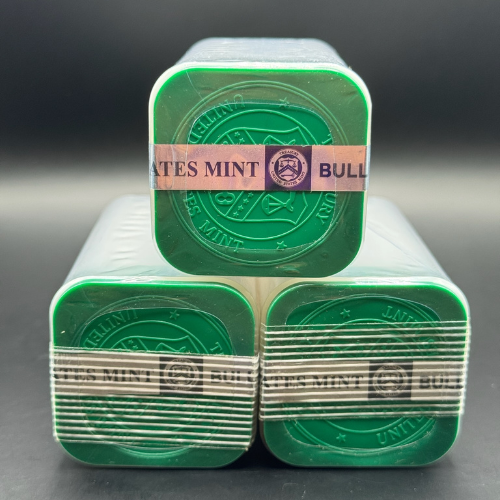
Costco started selling gold bars online, limiting customers to two bars each. Wells Fargo estimated Costco moved $100 million to $200 million in gold every month.
The bars would usually sell out within hours. Younger buyers in China picked up “gold beans,” tiny pieces weighing about a gram each.
This format made gold accessible to Millennials and Gen Z who’d lost money in traditional investments. Chinese customs data showed metal purchases jumped 34% in the first three months of 2024 compared to the same period in 2023.
Surge in Bullion Dealers and Physical Purchases
Bullion dealers stayed busy as prices climbed, with both buyers and sellers active. Terry Hanlon from Dillion Gage said high prices drew in more buyers during upswings than downtrends.
Buyers pointed to geopolitical risks and inflation as their main reasons. Central banks kept up strong buying patterns, with first quarter 2024 demand rising 1% to 289.7 tons.
Shanghai premiums hovered around $48 per ounce, showing strong physical demand in eastern markets. Meanwhile, European physical buying lagged behind during the same stretch.
The World Gold Council said total demand increased 3% year-over-year to 1,238 metric tons in early 2024. That was the best first quarter since 2016.
Trends in Gold Bullion and Gold Futures
Gold futures trading at CME Group rose 7% in 2024 over the previous year. Traders adjusted positions and contract sizes in response to higher volatility.
Micro Gold futures became more popular among retail traders who wanted smaller capital requirements. Average daily trading volume for these contracts jumped 43% year-over-year through late May.
This marked the busiest stretch since the product launched. CME net managed money positions climbed by 91 tons in the first quarter.
Technology and electronics demand grew 10% to 78.6 tons, thanks in part to artificial intelligence applications that use gold components.
The Role of the World Gold Council and Market Governance
The World Gold Council acts as the gold industry’s main research and standards body. It provides data that shapes how investors and central banks view gold assets.
The organization sets frameworks that encourage transparency and responsible practices across the global gold supply chain. The World Gold Council tracks and publishes detailed data on gold demand, supply, and pricing dynamics through regular reports.
Their Gold Demand Trends reports break down consumption across investment, jewelry, central banks, and technology sectors. This data collection covers mine production levels, recycling flows, and central bank purchases.
In Q1 2025, they documented gold demand reaching its highest first-quarter level since 2016. Their research team keeps an eye on regional differences in gold price responses across various currencies.
The Council’s tracking of central bank activity shows net buying patterns usually between 700-900 tons a year. They also look at less visible factors like India’s use of gold as loan collateral, which topped 200 tons through formal channels in early 2026.
This kind of reporting helps explain why recycling stays limited even when prices are high.
Global Standards and Best Practices
The organization creates standards for responsible gold sourcing and supply chain management. These frameworks guide how gold moves from mines to markets while addressing environmental and social governance concerns.
The World Gold Council partners with central banks, miners, and financial institutions to set consistent practices. Their membership includes major gold producers and market players who commit to transparency standards.
Their research clarifies gold’s role as a strategic asset for institutions managing reserves. The Council documents how geopolitical risk premiums influence reserve management, especially as central banks diversify away from traditional assets.
Risks and Challenges Facing the Gold Market
Gold faces several big challenges investors should know about before adding it to their portfolios. Price swings, supply issues, and global political changes can all affect gold’s value and performance.
Market Volatility and Investor Sentiment
Gold prices can swing a lot in short periods. In 2010, gold gained almost 30%. In 2013, it fell by nearly the same amount.
These moves reflect shifts in investor confidence and changing market conditions. The metal doesn’t generate steady income like bonds or dividend stocks, so investors rely entirely on price gains to profit.
Gold works better as a long-term investment than a short-term trade. Key volatility factors include:
- Changes in interest rate expectations
- Shifts in inflation concerns
- Movement in the US dollar system value
- Stock market performance
When stock markets do well, investors often move money out of gold. This inverse relationship means gold prices can dip during strong economic periods, even if long-term fundamentals look solid.
Supply Chain Disruptions
Mining operations and gold distribution networks run into regular challenges. Physical gold has to be extracted, refined, shipped, and stored through complicated global systems.
Any breakdown along the way affects availability and pricing. New gold supply grows slowly because mines take years to develop.
This natural scarcity helps support prices but makes it hard for supply to match sudden demand spikes. Central banks have ramped up gold purchases, adding pressure to already tight supplies.
Storage and security costs are another headache for holding physical gold. Investors pay for vault space, insurance, and transport.
These expenses eat into returns compared to assets that exist only as digital records.
Political and Economic Uncertainties
The politics of gold come down to government and central bank decisions worldwide. Countries trying to reduce reliance on the US dollar have boosted gold reserves as an alternative.
This shift supports prices but adds unpredictability. Trade tensions between big economies stir up uncertainty around gold flows.
Export restrictions, tariffs, or sanctions can disrupt normal trading. Geopolitical conflicts drive safe-haven demand but make price forecasting trickier.
Currency swings hit gold’s value differently depending on where you live. A weaker dollar usually helps gold prices in dollar terms but may not help investors holding other currencies.
Major central bank policy changes add more uncertainty about where prices go next.
Frequently Asked Questions
Gold’s relationship with interest rates is more complicated than a simple inverse link. Real rates, inflation expectations, currency moves, and central bank actions all mix together to shape how gold reacts when monetary policy changes.
Why can gold prices rise even when interest rates are increasing?
Gold can climb during rate hikes if real interest rates stay negative or low. Real rates are nominal rates minus inflation, so if inflation outruns the hikes, gold keeps its appeal as a store of value.
Central bank demand also props up prices, no matter what rates do. The World Gold Council’s 2025 survey found 43% of central banks planned to boost their gold reserves this year. Not a single respondent expected reserves to drop, even with record prices.
Geopolitical tensions give gold another boost that’s separate from interest rates. When investors look for safety during global conflicts or uncertainty, gold draws buyers regardless of what the Fed does with rates.
How do real interest rates influence gold compared with nominal rates?
Real interest rates matter more than nominal ones for gold pricing. A 5% nominal rate with 6% inflation means a negative real rate of -1%, which supports gold.
The same 5% rate with 2% inflation gives you a 3% real rate, which usually puts pressure on gold. Gold doesn’t pay interest or dividends, so when real rates go negative, investors lose purchasing power holding cash or bonds.
This makes gold look better since it preserves value without income. The inflation-adjusted gold price hit a record high in 2025 for the first time since 1980, even as the Fed kept nominal rates high. Real rate dynamics drive long-term trends.
What role does inflation play in gold’s performance during a rate-hike cycle?
Inflation is a key catalyst for gold demand when central banks raise rates. If rate hikes don’t bring inflation down to targets, investors keep buying gold as an inflation hedge.
The Fed usually raises rates to fight inflation. But if hikes trail behind actual inflation, real returns on bonds and savings accounts stay negative.
Gold tends to benefit in this environment since it historically holds purchasing power during inflationary times. Persistent inflation also makes people question central bank effectiveness.
When investors doubt the Fed can control rising prices, they put more money into tangible assets like gold instead of currency-based investments.
How does the U.S. dollar affect gold when central banks tighten monetary policy?
Gold trades in dollars, so currency strength hits prices directly. A weaker dollar makes gold cheaper for foreign buyers and more attractive as a dollar alternative.
The U.S. dollar index dropped more than 10% in 2025 even though the Fed kept policy tight. Trade tensions, recession fears, and doubts about fiscal health all weighed on the greenback.
This decline softened some of the usual pressure higher rates put on gold. Central banks around the world are moving away from dollar reserves.
Nearly three-quarters of central bank survey respondents expected the dollar’s share of global reserves to fall. This big-picture shift supports gold even when U.S. rates climb.
Why might gold respond more to Federal Reserve expectations than to the actual rate decision?
Markets price in expected rate moves long before official announcements. Gold often moves based on what investors think the Fed will do over the next 6-12 months, not just on a single decision.
Forward guidance shapes these expectations. When the Fed hints that rate cuts will follow a hiking cycle, gold can rally even if rates are still high.
Investors try to get ahead of policy shifts. The Federal Reserve cut rates in June 2025 and forecast two more cuts before year-end.
This dovish outlook fueled gold’s rally to record highs above $3,780 per ounce. The expected policy path mattered more than the current rate level.
Where can investors track live gold prices and market commentary reliably, including Kitco?
Kitco gives you real-time gold prices, charts, and market analysis. The platform updates spot prices for gold, silver, platinum, and palladium all through the trading day.
Bloomberg and Reuters offer professional-grade price data and breaking news on precious metals. They also share context about price swings and central bank moves—which, honestly, can be a lot to keep up with sometimes.
The World Gold Council puts out research on supply, demand, and what central banks are buying. Their reports shed light on the bigger trends shaping gold, not just the daily ups and downs.