



|
Getting your Trinity Audio player ready...
|
Buying gold looks simple at first glance, but making good choices really comes down to asking the right questions before you hand over any cash. Most buyers focus on price and overlook things like purity, storage costs, dealer reputation, or how fees can eat into long-term returns. Before investing in gold, you should ask about the dealer’s credentials, total costs including premiums and storage fees, the type and purity of gold you’re buying, and how buyback policies work.
Knowing which questions to ask can help you avoid common mistakes and fraud. The precious metals market offers different investment options, from physical bullion to coins, and each comes with its own quirks and challenges.
Dealers set their own premiums over spot price, and honestly, some overcharge by hundreds of percent on spreads and fees. It’s wild how much that can add up if you’re not careful.
What Are Your Investment Goals?
Before you buy gold, get clear on what you actually want out of it. Gold can help you grow wealth, protect what you already have, shield against inflation, or just offer a safe place for your money when things get rocky.
Buying Gold as an Investment vs. Wealth Preservation
Investing in gold isn’t the same as using it to preserve wealth. If you’re aiming for growth, you’re hoping gold’s price will climb over time and outpace other investments.
But if you’re focused on wealth preservation, it’s about holding onto your purchasing power. Gold holds its value for decades—even centuries—which makes it a solid choice if you’re worried about your currency losing value or the economy going sideways.
Your goals shape how much gold you buy and when you decide to sell. Growth-minded folks might trade more often, while those preserving wealth hang on to gold for the long haul and don’t stress over short-term price swings.
Most advisors suggest putting 5% to 10% of your portfolio in gold, but honestly, it depends on your own situation and comfort level.
Using Gold as a Hedge Against Inflation
Using gold as a hedge against inflation helps protect your buying power when prices start climbing everywhere. Gold tends to keep or even grow its value during inflationary periods since there’s only so much of it to go around.
When cash loses value, gold usually doesn’t flinch. History backs this up—look at the 1970s, when inflation was over 10% a year and gold prices took off. We saw a similar trend when inflation spiked again in recent years.
People use gold differently than stocks or bonds for inflation. Stocks might rise with inflation but carry more risk, and bonds can lose value if inflation outpaces interest rates. Gold offers a more direct buffer, and it doesn’t rely on any company or government doing the right thing.
Gold as a Safe-Haven Asset in Uncertain Times
Safe-haven assets like gold tend to hold steady or even gain value when markets tank or the world feels unstable. Investors run to gold during crises—it’s just what happens.
Gold acts like a kind of financial insurance. If stocks take a nosedive, gold often stays put or moves up, helping smooth out your portfolio.
Physical gold really shines during serious crises. It doesn’t depend on any company or government staying afloat, so there’s no counterparty risk. If you want this level of protection, physical bullion is usually the way to go over gold-related securities.
Understanding Types of Gold Investments
Gold investing isn’t one-size-fits-all. You’ve got three main choices: physical gold you hold yourself, retirement accounts made for precious metals, and paper-based products that track gold’s price. Each has its own costs, storage needs, and tax twists that affect your returns.
Physical Gold: Bars, Coins, and Bullion
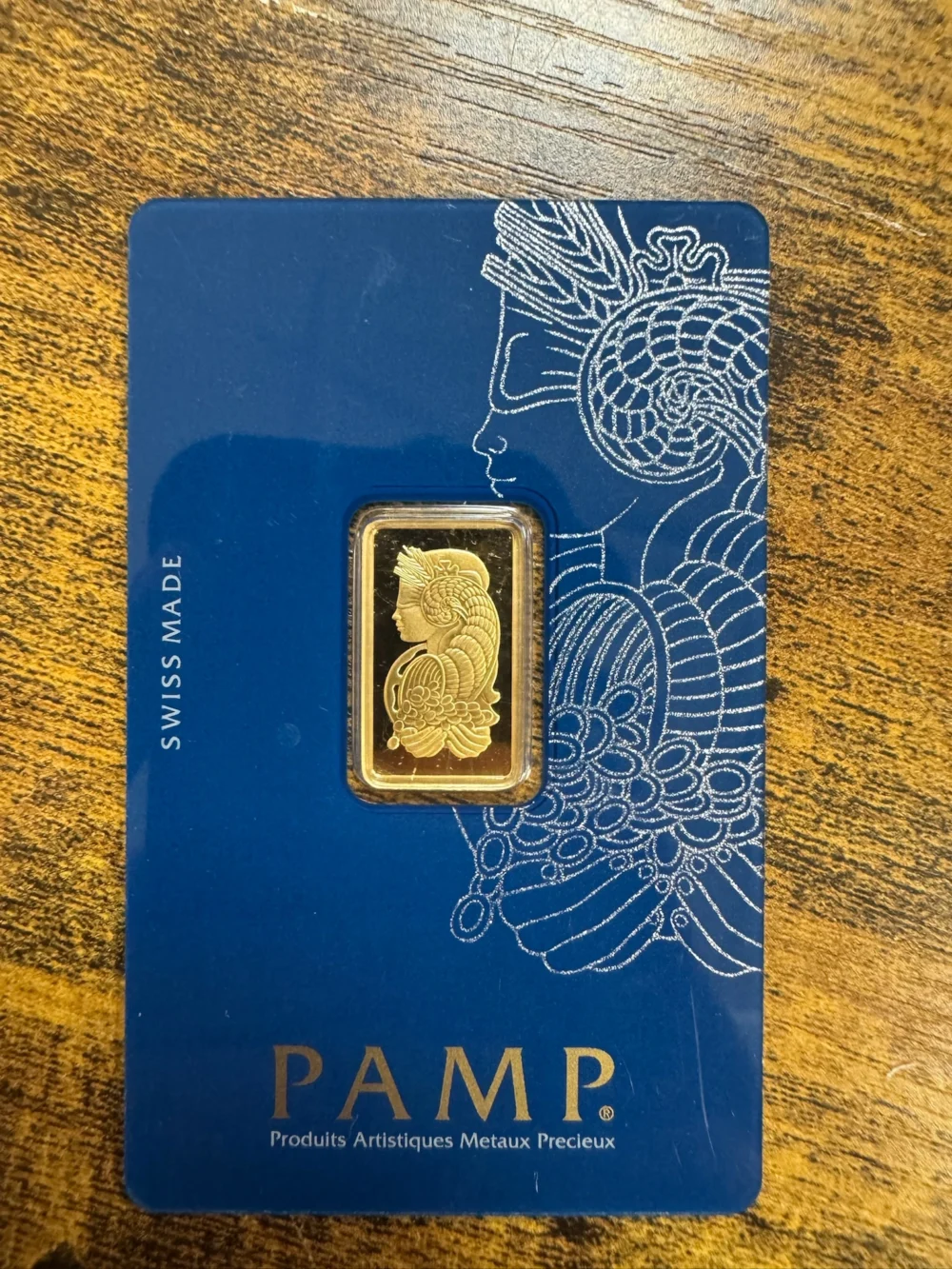
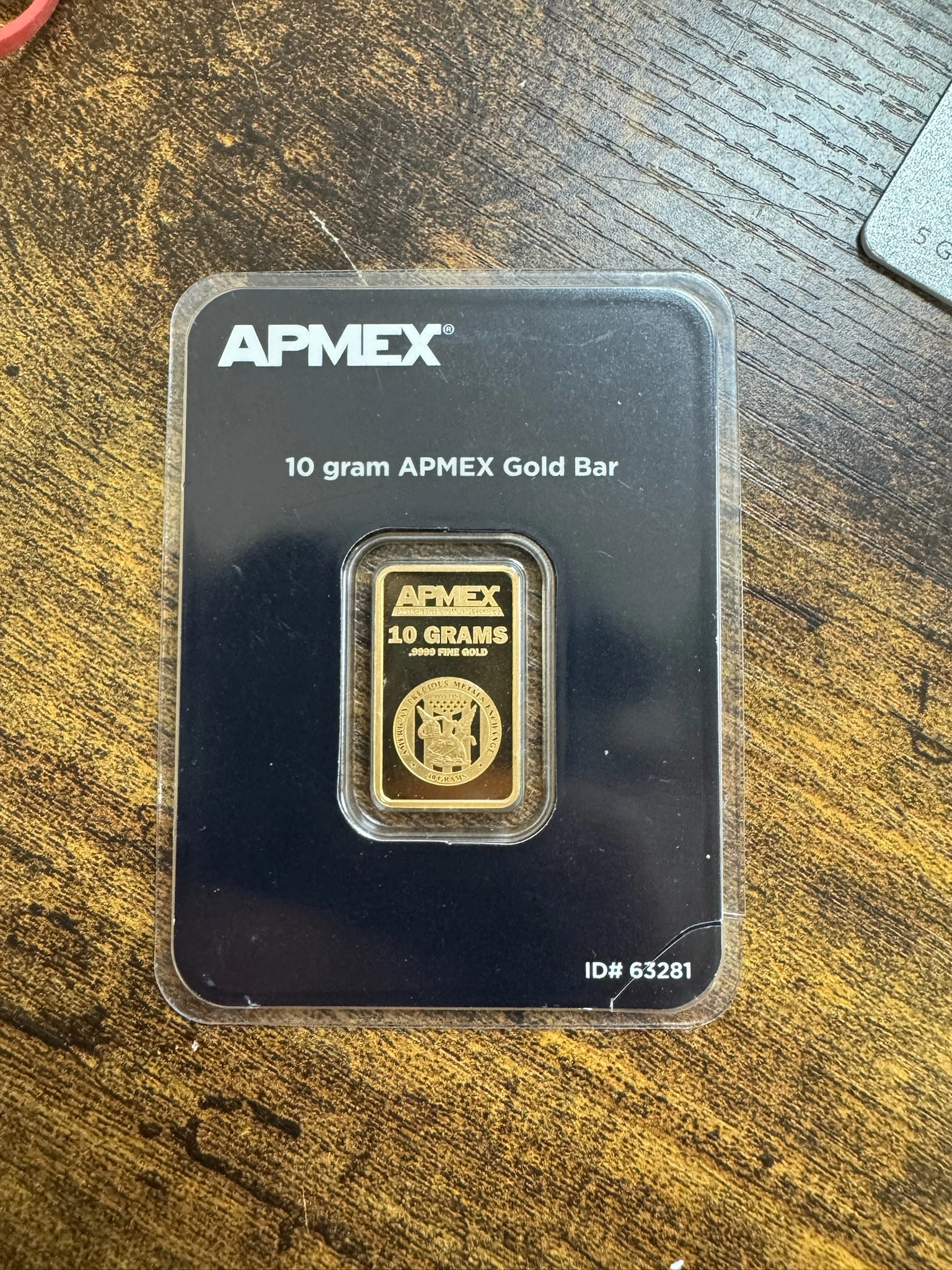
Physical gold covers bars, bullion coins, and collectibles you can actually hold. Gold bars come in sizes from tiny 1-gram pieces up to hefty 400-ounce monsters for institutions.
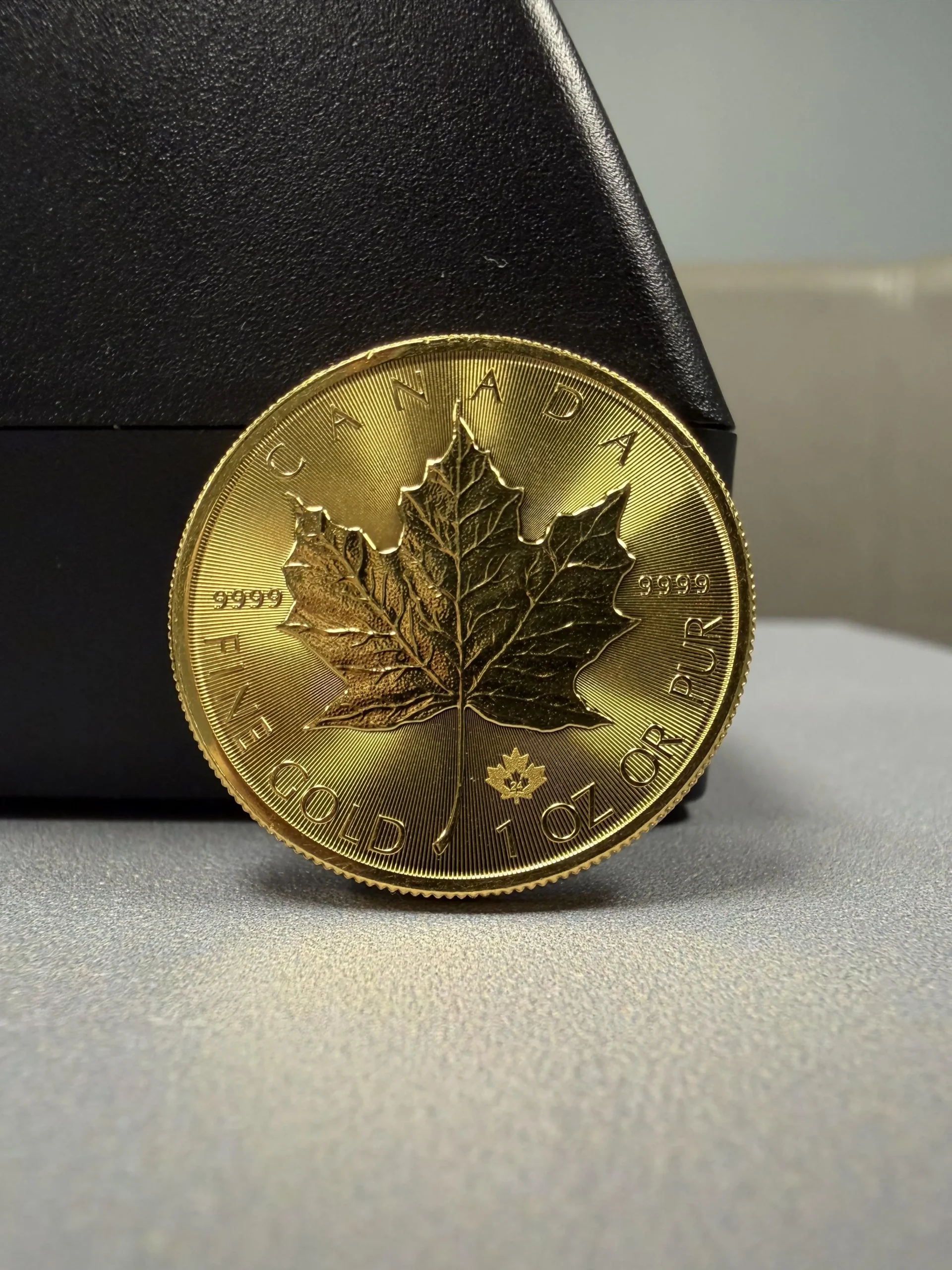
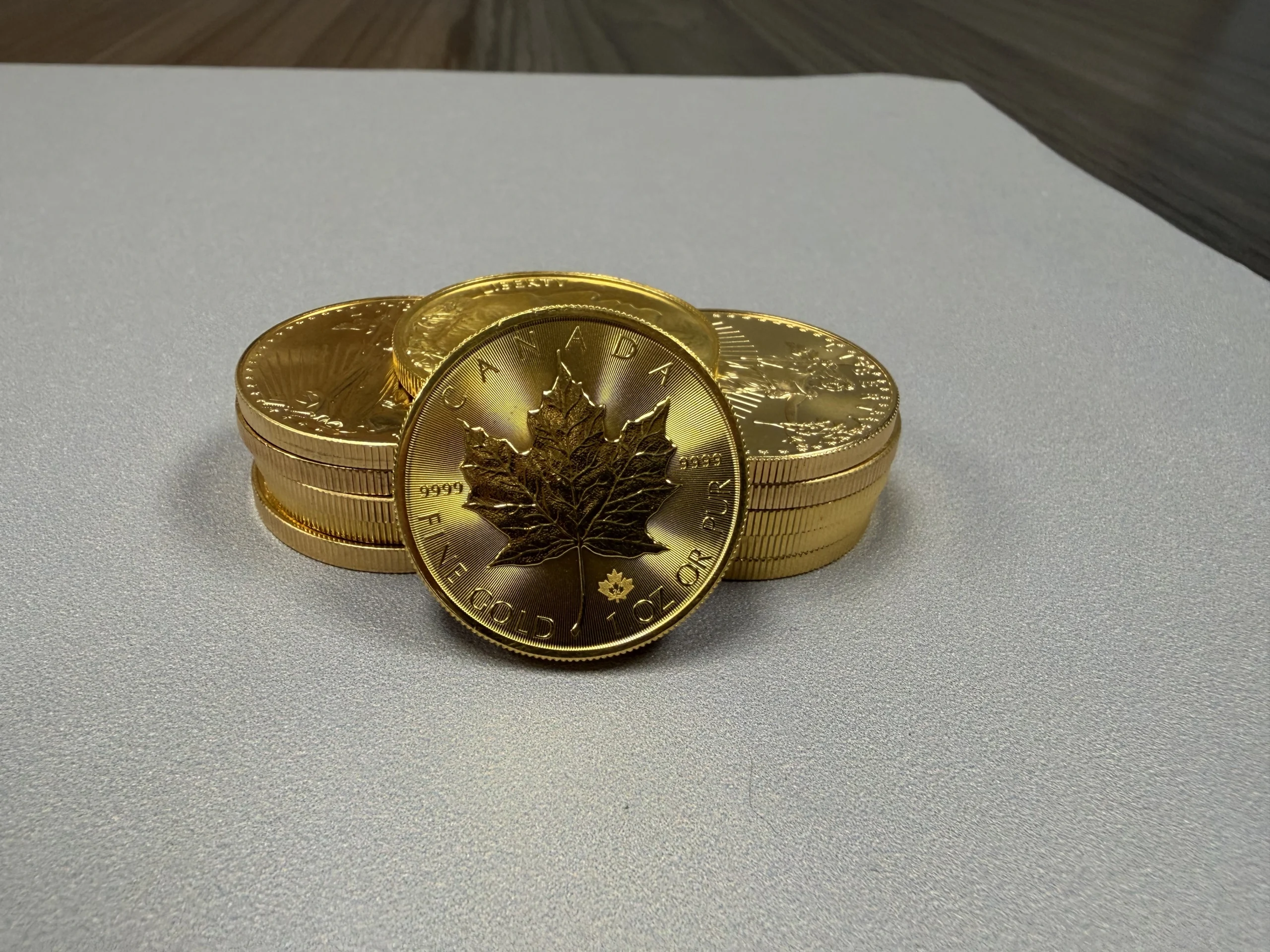
Most people go for bars between 1 and 100 ounces because they come with lower premiums over spot price. Bullion coins get their value from gold content, not rarity—think American Gold Eagles (91.67% pure) or Canadian Gold Maples (99.99% pure).
These coins usually trade close to spot price with smaller premiums. Numismatic coins are rare or historic coins prized by collectors. Semi-numismatic coins sit in the middle, offering some collectible value but still tracking gold prices. Higher premiums and more expertise needed here.
If you’re buying physical gold, you’ll need to sort out secure storage, insurance, and eventually resale. You pay a premium to buy and often get a little less than spot when selling. Banks and reputable dealers are your safest bet for buying.
Gold IRAs and Retirement Accounts
A gold IRA is a self-directed IRA (SDIRA) that lets you hold physical precious metals instead of just stocks or bonds. These individual retirement accounts have to meet IRS purity rules: gold must be 99.5% pure, stored in approved vaults, and managed by an IRA custodian.
IRA custodians take care of paperwork and make sure everything’s above board for taxes. The IRA trustee actually hangs onto the gold in secure vaults. You can’t store IRA gold at home—if you try, you could face tax penalties and lose your account’s status.
Gold IRAs come with tax perks like regular or Roth IRAs. Traditional gold IRAs let your money grow tax-deferred, while Roth versions allow tax-free withdrawals when you retire. Setup, annual custodian, and storage fees make gold IRAs pricier than regular retirement accounts, though.
Gold ETFs, Mining Stocks, and Exchange-Traded Products
Gold ETFs are exchange-traded products backed by real gold stored in vaults. You buy and sell shares on the stock market, just like regular stocks. Share prices move with gold’s spot price, so ETFs make it easy to get gold exposure without fussing with physical metal.
Gold mining stocks are shares in companies that dig gold out of the ground. These can swing more than gold itself and carry company-specific risks—bad management, high costs, or operational problems can sink a mining stock even if gold prices are climbing.
Other exchange-traded products include gold futures, options, and forwards. They’re more for experienced investors who want to speculate or hedge. Futures require less upfront cash but use leverage, so you could lose more than you put in.
ETFs charge annual expense ratios, usually between 0.25% and 0.40%. They’re liquid, pricing is transparent, and you don’t have to worry about storage. You also skip the premiums and resale headaches of physical gold, but you still get exposure to price moves.
How to Assess Gold Purity and Authenticity
Gold purity, weight standards, and proper documentation all help you verify what you’re buying. It’s important to know how karats show purity, how troy ounces measure weight, and which certifications actually mean something.
Understanding Karats and Gold Fineness
Karats show how much pure gold is in an item. Pure gold is 24 karats—so 24 out of 24 parts are gold. Lower karats mean more alloy mixed in.
Here’s a quick cheat sheet:
- 24K: 99.9% pure gold
- 22K: 91.7% pure gold
- 18K: 75% pure gold
- 14K: 58.3% pure gold
- 10K: 41.7% pure gold
Anything under 10 karats isn’t considered real gold internationally. Gold fineness is another system, written as parts per thousand—so “999” or “.999” means 99.9% pure, same as 24K.
Always check the karat stamp against the price. Higher karat means more gold per gram, so it should cost more. If a 14K piece is priced the same as an 18K piece of the same weight, something’s off.
Spot Price, Weight, and Troy Ounce Explained
The spot price is what one troy ounce of pure gold goes for on the market right now. It changes all day as markets move.
A troy ounce is 31.1 grams, not the regular 28.35 grams in a standard ounce. Dealers and investors always use troy ounces for gold. If you buy a 1-ounce gold bar, it should weigh exactly 31.1 grams on a precise scale.
Gold prices tie directly to weight and purity. To check if you’re getting a fair deal, multiply the spot price by the item’s weight in troy ounces, then adjust for purity. For example, a 10-gram piece of 18K gold has 7.5 grams of pure gold (that’s 75%). Knowing how to do this math can save you from overpaying.
Documentation, Certification, and Hallmarks
Hallmarks are official stamps showing purity, maker, and origin. You’ll see numbers like “999,” “750” (for 18K), or “585” (for 14K). Use a magnifying glass to check that hallmarks look sharp and legit.
Real gold bullion comes with certificates of authenticity from trusted mints or refiners. These papers list weight, purity, and a serial number that matches the item. Always ask for this documentation before you buy.
Professional assay certificates from labs give you the most confidence. They confirm gold content through testing. Good dealers are happy to provide these or let you get independent testing before you buy, especially for bigger purchases.
Choosing a Reputable Precious Metals Dealer
Finding a trustworthy gold dealer takes real research and a sharp eye for red flags. The gap between a reputable precious metals dealer and a shady one can cost you thousands in overpriced gold or hidden fees and sneaky commissions.
Researching Dealer Credentials and Certifications
If you’re looking for a precious metals dealer, start close to home with businesses that have been around for a while. A reputable dealer should have a verifiable physical address and a history you can actually check.
Before buying anything, check with your state’s attorney general or securities regulator for any complaints on record. Local consumer organizations can also give you a sense of the dealer’s reputation.
Key verification steps include:
- Confirming the dealer’s physical business location
- Checking how long the company has been operating
- Searching online for complaints about owners or salespeople
- Reviewing ratings with consumer protection agencies
Retail precious metals dealers aren’t regulated at the federal level, which makes independent verification even more important. It’s smart to check if the salesperson is registered as a commodity trading advisor or investment professional with the CFTC, SEC, FINRA, or your state regulator.
Red Flags: Avoiding Overpriced or Fraudulent Offers
Don’t respond to cold calls, random emails, late-night commercials, or pop-up dealers at public events. These are classic boiler-room tactics aimed at separating you from your money.
Warning signs of fraud include:
- Dealers who won’t put fees and commissions in writing
- Spreads that are 100-200 percent (or more) above spot price
- Claims that “semi-numismatic” coins are somehow more valuable
- Pressure to act immediately or grab a “limited-time offer”
- Dealers who can’t explain their buyback policy
Some shady dealers have charged spreads over 300 percent. There was a case where a customer lost $150,000 in fees and commissions out of a $300,000 rollover. Always ask for the dealer’s buy-back price so you know what you’d get if you needed to sell your gold tomorrow.
Role of Dealers, Salespersons, and Advisors
Most precious metals salespeople aren’t investment professionals and can’t give you real trading, investment, or tax advice. Many of them are just telemarketers with a script and a knack for pressure tactics.
If someone tells you what to buy, how much, or when, that’s advice—and they may need to be registered with the CFTC, SEC, FINRA, or your state. Ask if the salesperson is registered, then double-check with the right agency.
A legitimate gold dealer will explain how they make their profit and how their sales staff gets paid. Ask if commissions are included in the spread and demand all pricing details in writing before signing anything. The dealer should also lay out storage fees, insurance costs, and any administrative charges tied to your purchase.
Evaluating Fees, Premiums, and Buyback Policies
To really understand what you’re paying for gold, you have to look past the advertised price. The premium over spot price, dealer fees and commissions, and the buyback policy all determine how much you could actually make—or lose—when you sell.
Understanding Premiums Over Spot Price
The spot price is the cash price for immediate delivery of physical metal. No dealer sells at spot, though.
The premium is what gets tacked onto spot price. That covers the dealer’s costs, distribution, and their profit. For standard bullion, premiums usually run from 3% to 20%.
Different products mean different premiums. Government-issued coins like American Eagles usually have higher premiums than generic bars. Smaller pieces cost more per ounce than big bars. Supply and demand and market volatility can push premiums up, too.
To see the real markup, multiply the weight of your metals by the current spot price. Compare that number to the retail price to see the total premium.
Comparing Fees and Commissions
Some dealers keep spreads under 20%, while others go north of 300%. Get every fee and commission in writing before you sign anything. That’s how you avoid nasty surprises.
Key fees to ask about:
- Sales commissions
- Transaction fees
- Storage and insurance costs
- Administrative fees
- IRA custodian fees (if applicable)
The salesperson’s pay structure matters. If they get commission, they have a reason to push higher prices. Ask how the dealer makes money and if commissions are baked into the spread.
High fees and commissions eat into your profit. If a dealer takes 30% in fees, the gold price has to jump more than 30% before you even break even.
Buyback, Sellback, and Liquidity Considerations
A solid buyback policy means you can sell your gold back easily. Not every dealer will buy back what they sold you.
Ask what the buy-back price would be if you sold tomorrow. The difference between the dealer’s sell price and buy-back price shows you the real spread. A big gap means you’ll need a big price jump to make money.
The buyback policy should lay out:
- If the dealer guarantees to repurchase products
- How the buy-back price gets calculated
- Any fees for selling back
- How long processing takes
Some dealers hit you with buyback fees or offer lowball prices. Others run straightforward buyback programs with competitive rates. Knowing these details up front helps you avoid getting stuck when you want to sell.
Storage, Security, and Insurance for Gold Holdings
Storing physical gold means making choices about where to keep it, how to secure it, and what insurance you need. Every option has trade-offs in cost, convenience, and protection.
Home Storage vs. Professional Vaulting
Home storage gives you instant access, but you’ll need to invest in security. A good TL-30 safe costs between $1,500 and $5,000, and you have to bolt it to concrete to keep it from being carried off. Don’t use the master bedroom closet—burglars look there first.
Standard homeowner’s insurance usually only covers about $200 per loss for precious metals. If you want more coverage, you’ll need a scheduled personal property rider, which means extra documentation and higher premiums. Keep the safe’s location private—only immediate family and maybe your estate attorney should know.
Professional vaulting skips the home security headaches. Third-party depositories offer specialized storage with insurance, climate control, and 24/7 monitoring. You’ll pay annual fees, usually 0.5% to 1% of what you’re storing. You can get your metals during business hours, but you lose the instant access of home storage.
Bank safe deposit boxes are a middle ground, but they aren’t accessible on weekends and don’t have FDIC coverage for contents. A lot of people split their holdings between locations to avoid putting all their eggs in one basket.
Costs: Storage and Insurance Fees
Professional vaults charge 0.5% to 1% of your gold’s value per year. If you have $50,000 in gold, that’s $250 to $500 a year. Some vaults charge flat monthly rates, usually $10 to $30 for smaller amounts.
If you keep gold at home, insurance gets trickier. You’ll need receipts, photos, and sometimes appraisals. Premiums depend on coverage and the insurer. Specialized valuables policies usually cover more than homeowner’s riders, sometimes even mysterious disappearances.
Professional vaults usually include insurance in their storage fee. That covers theft, fire, and facility damage, so you don’t have to buy a separate policy.
Record-Keeping and Receipts
Hold onto your purchase receipts—they prove ownership and set your cost basis for taxes. Photograph each gold piece from different angles and store those photos somewhere separate from your metals. Cloud backups or copies with your estate attorney help if something happens to your home records.
Insurance claims require proof. Receipts with the purchase date, dealer name, product details, and price paid establish value. For coins, serial numbers and grading certificates help too.
For estate planning, documentation is key. Your heirs need to know you have gold and where it is. A sealed envelope with estate documents or a password-protected digital note for your executor can keep your gold from being forgotten or lost after you’re gone.
Risks, Regulations, and Protecting Yourself From Fraud
Gold buyers face real threats from scammers using pressure tactics and hidden fees to drain retirement accounts. Different agencies oversee pieces of the precious metals market, so knowing who does what helps you spot fraud and know where to turn if something goes wrong.
Recognizing and Avoiding Common Gold Scams
Fraudsters usually target retirees and older workers through cold calls, spam emails, and those cheesy late-night infomercials. They pose as precious metals experts but rarely have real credentials. A common trick: convincing people to roll over retirement accounts into gold or silver IRAs while charging outrageous spreads—sometimes 300 percent over spot.
Big warning signs? Dealers who won’t give you written fee schedules, pressure you to “act now,” or claim certain coins are rare collectibles worth more than bullion. Some have siphoned off a third or even half of victims’ savings through markups and commissions. Over the last ten years, the CFTC has charged dozens of companies with over $500 million in alleged precious metals fraud.
Legitimate dealers give you their physical address, have a real local reputation, and disclose every cost in writing before you buy. Always check the dealer’s history with your state attorney general or securities regulator. Multiply the metal’s weight by the current spot price to make sure the retail price matches up.
Regulatory Bodies: SEC, CFTC, FINRA, IRS, NASAA
The CFTC regulates commodity trading advisors who give guidance on precious metals. FINRA oversees investment professionals and keeps public disciplinary records. The SEC works with FINRA and NASAA to warn about self-directed IRA risks.
If someone offers advice on what or when to buy, they might need to be registered. Ask salespeople if they’re registered and double-check with the right agency. You can file complaints at CFTC.gov/complaint, and FINRA has a Securities Helpline for Seniors at 844-574-3577.
IRS rules for rollovers and self-directed IRAs are pretty complicated. Messing up can mean losing tax-deferred status or getting hit with penalties. The IRS says metals in retirement accounts have to meet certain purity standards and stay with approved custodians.
Commodity pool investments give you regulated exposure to metals prices. Make sure commodity pool advisors are registered and watch out for signs of fraud.
SDIRA and Precious Metals IRA Specific Risks
SDIRAs take away the fiduciaries and advisors who usually help protect retirement accounts from risky decisions. Dealers often use terms like “gold IRA” or silver IRA to nudge people into rolling over their 401(k) plans.
Once you move cash into an SDIRA, you’re in charge of everything. That means you handle all the decisions, for better or worse.
Precious metals in SDIRAs have to stay with the IRA trustee or custodian, not in your own safe at home. Unfortunately, some fraudsters charge storage and insurance fees for metal that doesn’t even exist.
Always review your SDIRA statements closely to make sure you actually received all the bullion you bought at fair prices. The statement should show “melt value“—that’s just total bullion weight times the current spot price.
SDIRA custodians usually charge higher fees than regular IRA custodians. When you add in dealer spreads, commissions, and admin costs, these expenses can really eat into your profits.
There was a case where a dealer allegedly took $150,000 in fees and commissions from a $300,000 rollover. Victims of silver IRA fraud often realize those excessive costs make it almost impossible to break even.
Frequently Asked Questions
Gold buyers run into a lot of the same worries: investment strategy, which products to pick, how to check for authenticity, whether prices are transparent, if the dealer’s legit, and how to store things safely.
What are the main reasons to buy gold, and how does it fit into my overall investment plan?
Gold acts as a portfolio diversifier and doesn’t always follow the same path as stocks or bonds. When markets get shaky, inflation spikes, or the economy looks rough, gold usually holds steady or even rises while other assets drop.
Most people see gold as financial insurance, not a way to get rich quick. It preserves wealth over time but doesn’t pay dividends or interest. Financial advisors usually suggest keeping gold at just 5-10% of your whole investment portfolio.
Gold also shields you from currency devaluation. When dollars lose buying power, gold tends to keep its value—no matter what’s happening politically or economically.
Which form of gold should I choose—coins, bars, or jewelry—and what are the trade-offs for each?
Bullion bars come with the lowest premiums over spot price and work well for bigger investments. They’re available in sizes from one gram up to 400 ounces, and the larger you go, the smaller the markup by percentage.
Bullion coins like American Eagles, Maple Leafs, or Krugerrands are easier to sell off in small amounts. These coins have higher premiums than bars but give you more flexibility if you want to sell just a little at a time. Government-minted coins also guarantee weight and purity.
Jewelry is probably the least efficient way to invest in gold. Retail prices include a hefty markup for design, brand, and craftsmanship—way above the gold’s actual value. When you sell, you’ll only get the melt value, so expect a big loss compared to what you paid.
How can I verify the purity, weight, and authenticity of gold before purchasing?
Good dealers give you certificates of authenticity with the weight, purity, and serial numbers for bars and coins. Government-minted coins usually have these details stamped right on them.
Gold purity is measured in karats or fineness. Pure gold is 24 karats or .9999 fine, and most investment-grade bullion ranges from .999 to .9999. Coins might have a bit of alloy for durability but still keep high gold content.
Check weight in troy ounces—the standard for precious metals. One troy ounce is 31.1 grams, a bit more than a regular ounce. If you’re unsure, independent testing like X-ray fluorescence or acid tests can verify authenticity, but with reputable dealers, you probably won’t need to bother.
What premiums, fees, and markups should I expect, and how do I compare total costs across sellers?
The spot price is the current market value for physical gold, quoted per troy ounce. Dealers always sell above this price and buy below it. The gap is called the dealer’s spread.
Typical spreads run from 2% to 20%, depending on the product and market. If you see spreads over 30%, that’s a huge red flag. Smaller products like one-ounce coins have higher percentage premiums than big bars.
Always get all fees, commissions, and the final price in writing before you buy anything. Ask what the dealer would pay to buy back the same gold tomorrow. Watch for hidden fees—storage, insurance, or admin costs can add up fast.
How do I choose a reputable dealer, and what red flags should I watch for in a gold sale?
Start with established local dealers who have a real storefront and a long track record. Check with your state attorney general, Better Business Bureau, and local consumer groups for complaints.
Don’t reply to cold calls, random emails, late-night commercials, or door-to-door pitches. Scammers love these tactics to push people into quick decisions. Legit dealers won’t pressure you with fake urgency or “limited-time” offers that vanish in hours.
Watch out if a dealer won’t give you written pricing before you pay, claims coins are “semi-numismatic” to justify big markups, or pushes you to roll over your retirement account. If a salesperson gives investment advice, they should be registered with the CFTC, SEC, FINRA, or your state regulator. You can check their registration and disciplinary history through those agencies.
What are the best options for storing and insuring physical gold, and what are the risks of each?
Home storage gives you quick access, but it brings serious security headaches. Standard homeowner’s insurance barely covers precious metals, usually topping out at $1,000 to $2,000.
If you want more coverage, you have to buy separate riders or specialized insurance. Those add extra fees, and the cost depends on how much gold you’ve got tucked away.
Bank safe deposit boxes feel safer than your closet, and they’re usually cheaper than fancy vaults. Still, banks don’t actually insure what’s inside the box, and you can only get to your gold during banking hours.
Plus, FDIC insurance doesn’t protect what’s in a safe deposit box. That’s a surprise to some folks.
Professional vault storage at precious metals depositories ramps up the security and includes full insurance. These places let you choose between segregated storage—where your bars or coins are kept separate—or allocated storage, where you own a share of pooled gold.
Expect to pay fees, usually around 0.5% to 1% of your gold’s value each year. It’s not cheap, but the peace of mind might be worth it.
If you’re holding gold in an Individual Retirement Account, the IRS says you can’t keep it at home. You have to use an IRA-approved custodian, and they tend to charge higher fees than regular IRA managers.
Always double-check your account statements to make sure your gold is actually in storage. There have been shady dealers out there charging storage fees for gold that doesn’t even exist—nobody wants to fall for that.