





|
Getting your Trinity Audio player ready...
|
Lots of folks skip investing in physical precious metals because of a handful of stubborn myths. Gold and silver get painted as risky, expensive, or just too much trouble. But honestly, owning physical precious metals is way more doable than most people realize. They’re not just for the ultra-wealthy, and they can actually offer practical benefits for regular investors hoping to protect or grow their savings.
Modern investors can start small, store their metals safely, and sell them when they need to. The facts matter—understanding them helps people figure out if precious metals belong in their financial mix.
This article digs into five major myths that scare people away from physical gold and silver. Let’s break them down with some straightforward info about how precious metals really work these days.
Myth 1: Only the Wealthy Can Invest in Physical Precious Metals
Some people think you need thousands of dollars just to get started with precious metals. That’s simply not true—investors can start a precious metals portfolio with as little as $50 or $100.
Affordability of Gold and Silver
Silver is probably the easiest way in. A single 1 oz silver round usually costs between $50 and $80, depending on the market. That’s within reach for most people.
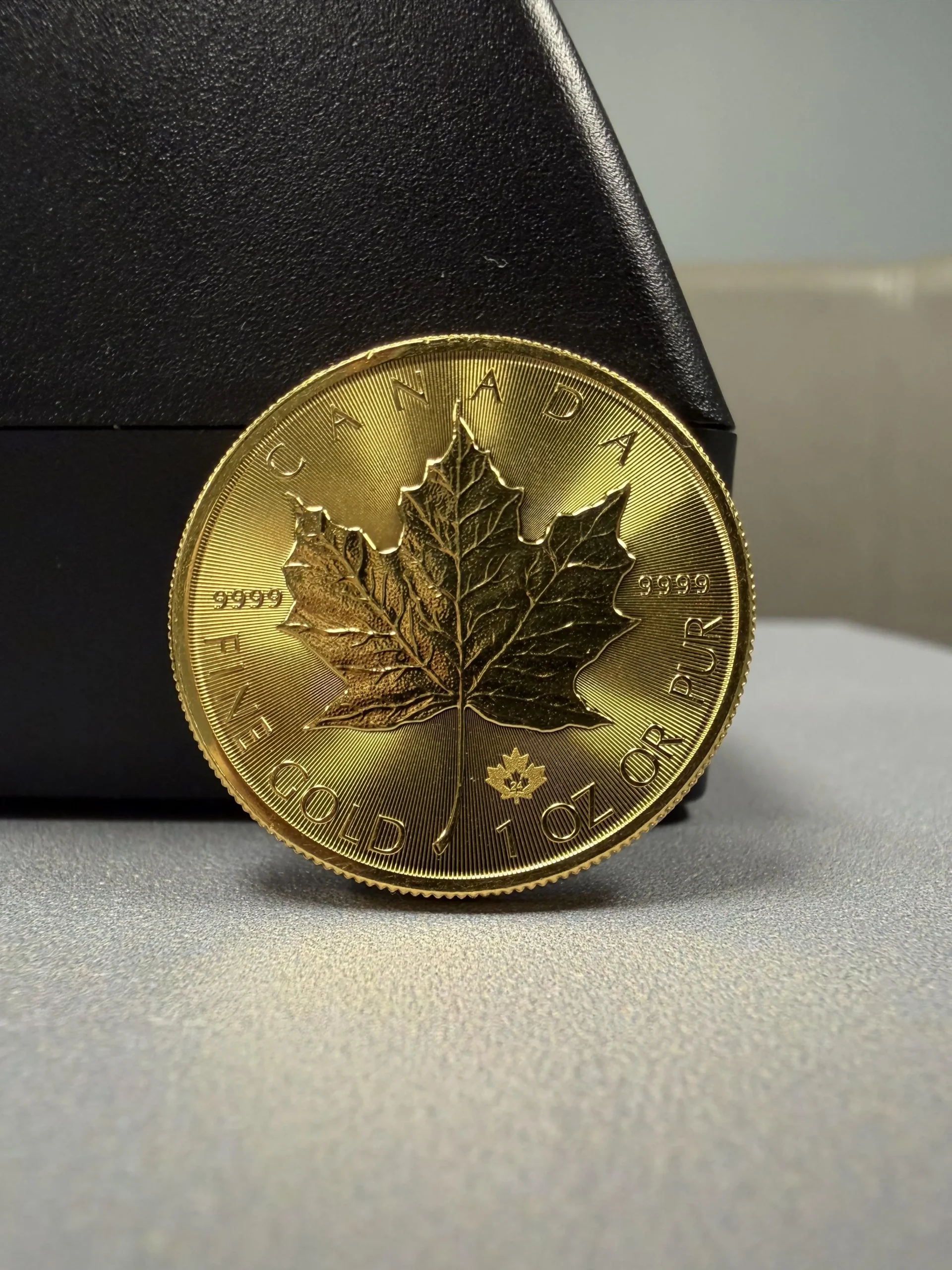
Gold costs more per ounce, but you don’t have to buy a whole ounce to start. A 1 oz gold coin might run $3,000 to $5,000, but smaller pieces bring the price down.
Silver lets you build up a stash for less money, while gold packs more value into a tiny package. Both metals offer options for different budgets and goals.
Fractional Options: Bars, Coins, and Rounds
Fractional gold coins come in sizes like 1/10 oz, 1/4 oz, and 1/2 oz. A 1/10 oz gold coin costs around $300 to $400, which puts gold within reach for a lot more people. Sure, the premiums are a bit higher, but they make it possible to start small.
Common fractional gold sizes:
- 1/10 oz
- 1/4 oz
- 1/2 oz
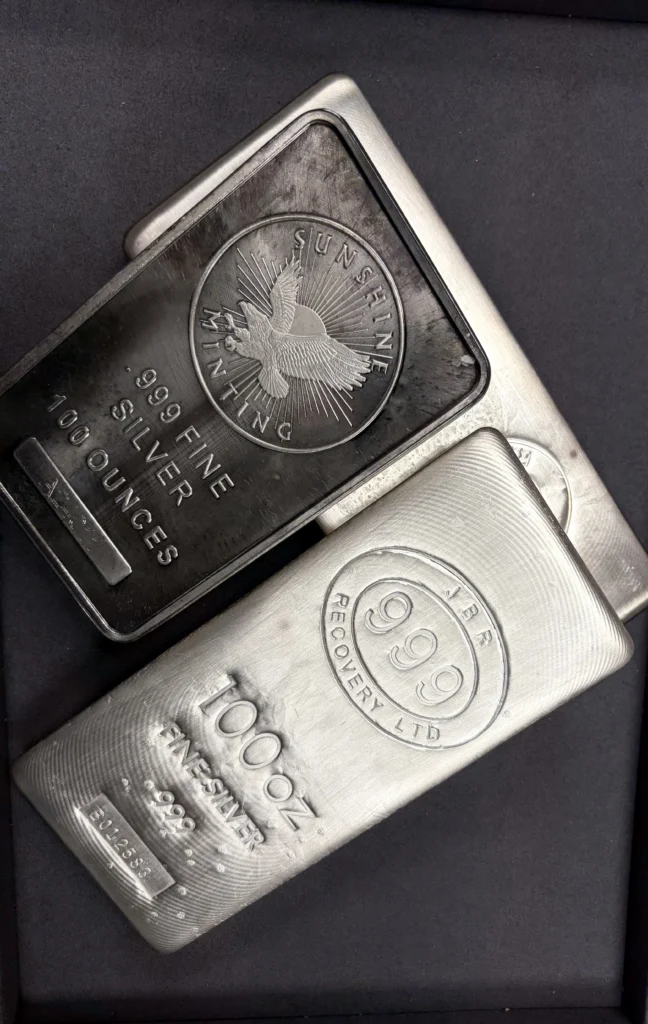
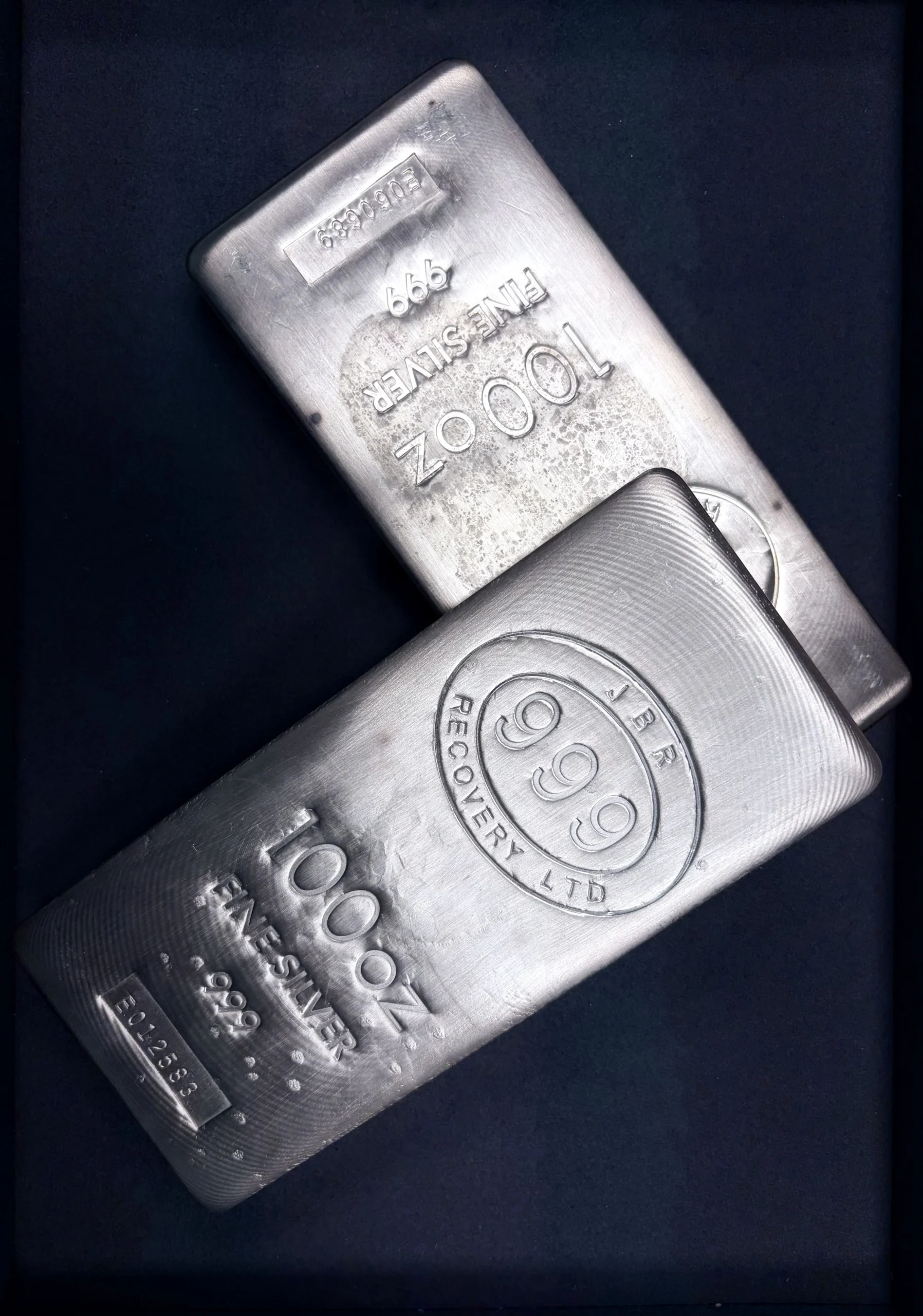
Gold bars also come in tiny weights, starting at 1 gram (about 0.032 oz). These can cost less than $100. Silver rounds and bars are even more flexible, with sizes from 1 oz up to 100 oz or more.
Accessible Entry Points for Beginners
If you’re new, you can grab a silver round or a small gold piece that fits your budget. Maybe you start with a single 1 oz silver round for under $60—why not?
Lots of folks build their metals stash with regular small purchases. Buy one silver coin per month, or save for a fractional gold coin every few months. This way, you spread out the cost and catch different price points.
Most dealers keep minimum purchases low. Some online shops set minimums at $100 or toss in free shipping above $200. So, you don’t need deep pockets to get started with precious metals—just a bit of curiosity and consistency.
Myth 2: Physical Precious Metals Lack Liquidity and Are Hard to Sell
Physical precious metals are actually some of the most liquid assets you can own. Gold, silver, and platinum sell quickly through a bunch of channels, and dealers are always looking to buy at prices tied to the current market.
How to Sell Gold, Silver, and Platinum
You’ve got options when it’s time to sell. Local coin shops and bullion dealers buy metals directly and usually pay you on the spot. Online dealers let you ship your metals (insured, of course) and pay you within days of receiving and checking them.
Banks and refineries buy metals too, though they usually want bigger quantities. Auction houses handle rare pieces. Private sales between individuals are possible, but you’ve got to be careful and verify everything.
Typically, you’ll weigh your metals, check the purity, and get paid based on the current spot price—minus a small premium for the dealer. Payment comes by cash, check, wire, or direct deposit. It’s not rocket science.
Global Markets and Dealer Networks
The metals market runs worldwide, with prices staying pretty consistent across regions. Gold, silver, and platinum prices update constantly while markets are open. This global demand means there’s almost always a buyer out there.
Reputable dealers have big networks that make transactions quick. Many belong to professional groups that set standards and keep things fair. These connections link your local coin shop to bigger refineries and institutional buyers.
Online platforms have made it even easier. Sellers can compare offers from several trusted dealers in minutes. That competition keeps prices fair and speeds up the process.
The Role of Recognizable Bullion in Resale Value
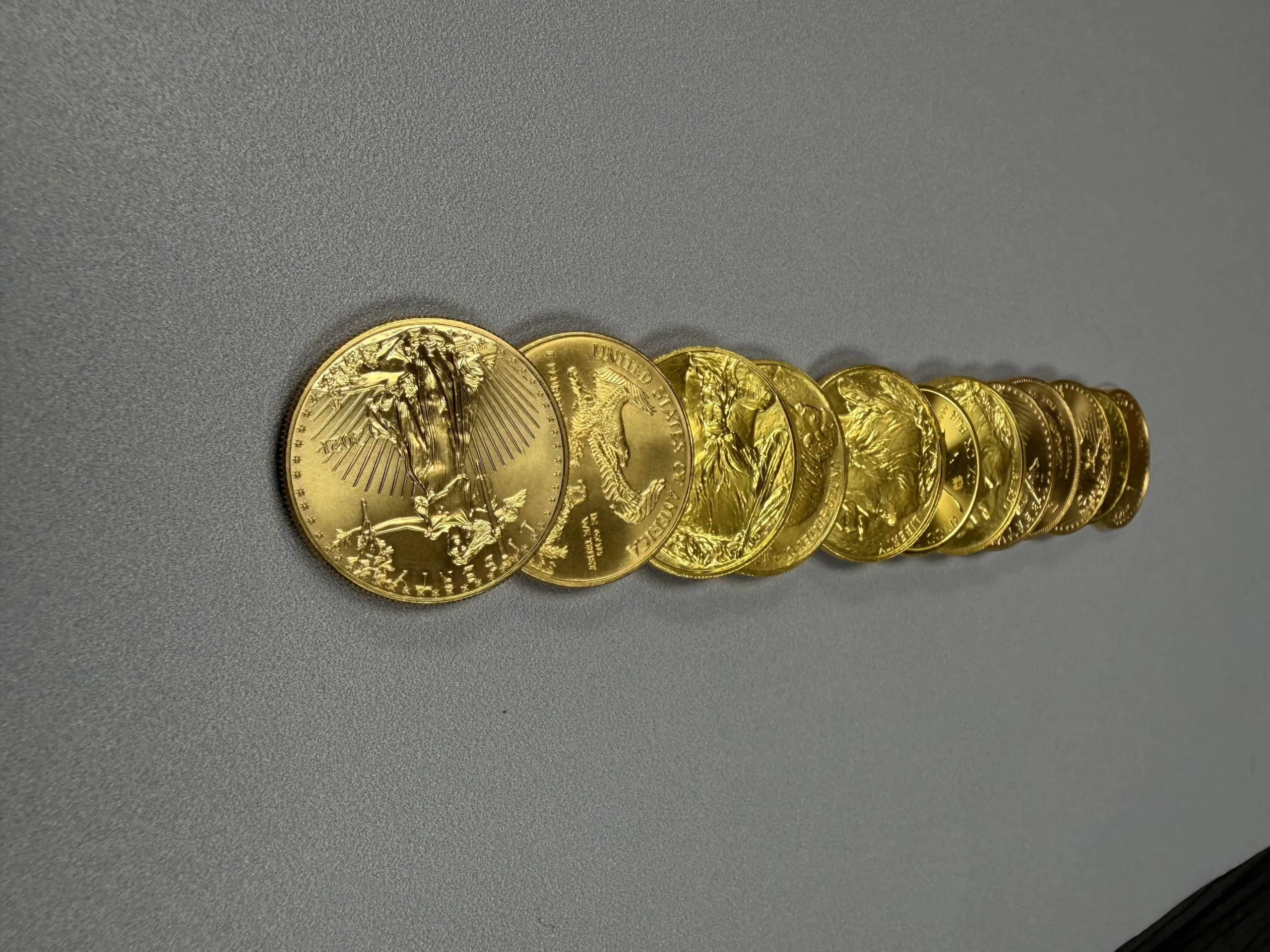
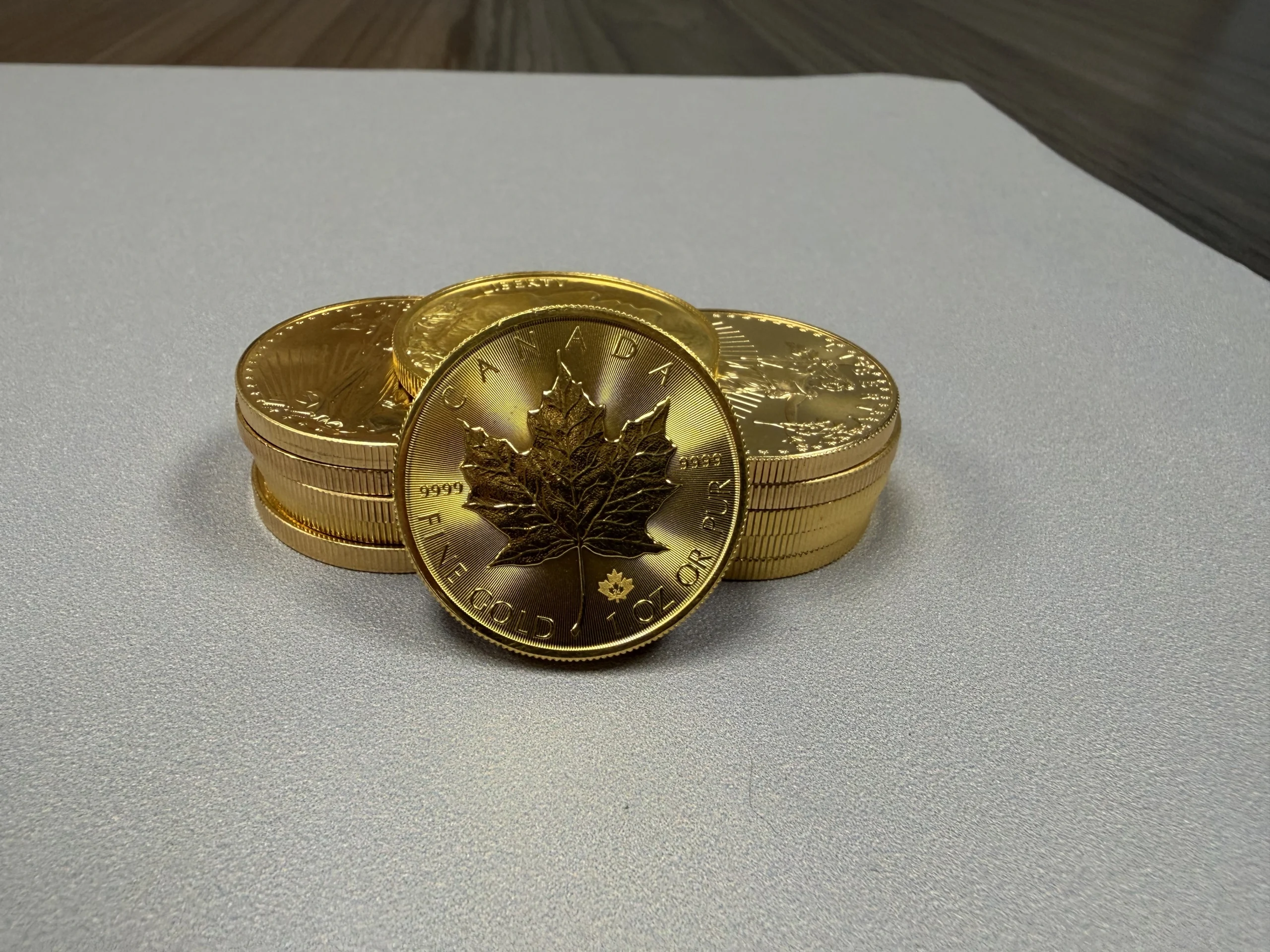
Gold coins and silver coins from government mints sell faster and fetch better prices than generic stuff. Think American Eagles, Canadian Maple Leafs, Austrian Philharmonics—everyone knows them. Dealers can verify these quickly because the specs are standard.
Bullion bars from well-known refiners also keep their value. Stamped bars with assayer marks need less testing and sell more easily. If you’ve got original packaging and paperwork, you’ll probably get a higher offer.
Uncommon or generic items might need extra testing, which can slow the sale and lower the price a bit. If you stick with well-known products, selling later is usually a breeze.
Myth 3: Physical Precious Metals Are Outdated in the Digital Age
Even with the rise of digital currencies and assets, physical gold and precious metals still play a big role in modern finance. They’ve got qualities that digital stuff just can’t match, from central bank reserves to use in high-tech industries.
Enduring Value Across Centuries
Gold has kept its value for over 5,000 years—kind of wild, right? Central banks all over the world hold more than 35,000 metric tons of gold, which shows they trust it. Gold’s value doesn’t hinge on any government, company, or even an internet connection.
Digital currencies need electricity, internet, and working computers to exist. Gold just sits there, holding value, even if the power goes out or the web goes down. During blackouts, cyber attacks, or tech failures, precious metals are still there for you.
Physical precious metals have proven to be a solid hedge against inflation. When currencies lose value, gold often holds steady or even rises in those terms.
Comparing Gold and Digital Assets
Physical gold exists on its own, no tech required. Digital assets? They’re vulnerable to hacking, lost passwords, exchange collapses, and sudden rule changes. Gold in your hand isn’t affected by any of that.
The precious metals market runs around the clock across global exchanges with established pricing and legal systems. Digital currencies can be super volatile—some have lost most of their value in months. Gold does swing in price, but there’s always steady demand from jewelry, industry, and central banks.
Physical metals mean real ownership—no middlemen. If you’ve got a gold bar, you own that exact chunk of metal. Digital holdings often rely on third parties, exchanges, or software, which adds risk.
Modern Uses of Gold, Silver, and Platinum
Tech companies use a ton of precious metals. Gold is great for conducting electricity and doesn’t corrode, so it’s in smartphones, computers, and aerospace gear. Each smartphone holds about 0.034 grams of gold in its circuits.
Silver’s a key player in solar panels—each one uses about 20 grams. As we move toward more renewable energy, industrial demand for silver just keeps going up. Medical devices and water filters also rely on silver’s antibacterial properties.
Platinum shows up in catalytic converters, helping cars cut emissions. Each converter uses about 3-7 grams of platinum. Hydrogen fuel cell tech needs platinum too, so it’s looking pretty important for future clean energy.
These uses create steady demand, no matter what investors are doing, which keeps precious metals relevant in today’s world.
Myth 4: Storing Precious Metals Is Risky and Inconvenient
Storing gold and silver isn’t nearly as tricky as some people think. Investors have several storage solutions to choose from, like home safes or professional vaults, each with its own pros, cons, and costs.
Home Safe vs. Secure Storage Solutions
A home safe gives you immediate access, but you’ve got to plan a bit. You’ll want a high-quality safe that’s fireproof, waterproof, and bolted down. Look for at least a 30-minute fire rating and enough weight to discourage thieves.
Home storage works best for smaller collections, maybe under $10,000. Bigger stashes get harder to protect and might go past what your homeowner’s insurance covers. Most basic policies only insure $1,000 to $2,000 in precious metals unless you add extra coverage.
Key tips for home storage:
- Install a security system with motion sensors
- Hide your safe in a clever spot
- Take photos and record serial numbers
- Get extra insurance if you need it
- Keep the storage location to yourself
For more security, professional storage facilities are the way to go. They handle security, insurance, and keep track of everything for a monthly or yearly fee.
Vault Storage and Insured Facilities
Vault storage takes most of the worry out of the equation. These places use 24/7 cameras, armed guards, reinforced walls, and top-notch alarms. Insurance from vaults usually covers more than what you’d get on your own.
Most vaults charge between 0.5% and 1% of your metal’s value per year. That fee usually covers insurance and regular audits. Some even let you visit and check out your holdings during business hours.
Types of vault storage:
- Allocated storage: Your specific bars or coins are tagged just for you
- Segregated storage: Your metals are kept separate from everyone else’s
- Non-segregated storage: Metals are pooled together (cheaper, but less control)
Allocated and segregated storage offer the most peace of mind. You get serial numbers for your exact holdings, so you always know what’s yours.
Choosing the Right Custodian or Storage Provider
Reputable dealers usually partner with established storage providers. This makes it easier for you to store gold and silver right after buying.
Investors should check that custodians carry enough insurance and submit to third-party audits. Look for providers with at least a decade in business and solid customer feedback.
Check if they’re bonded and insured through Lloyd’s of London or a similar insurer. The facility should allow independent audits and give you clear documentation of your holdings.
Red flags to avoid:
- No third-party insurance verification
- Unclear fee structures or hidden costs
- Limited access to account information
- Poor customer service or slow responses
- No physical address or audit history
Choose storage that fits the size and value of your investment. If you have under $5,000, a quality home safe might be enough. Larger amounts really do better in professional vault storage.
Myth 5: Precious Metals Don’t Offer Real Investment Benefits
Physical gold and silver offer investment advantages that go beyond just owning something tangible. These metals play distinct roles in portfolio management, like diversification, inflation protection, and stability when markets get wild.
Diversification and Risk Reduction
Precious metals don’t move in sync with stocks and bonds. When stock markets drop, gold and silver often hold steady or even rise. That opposite behavior cuts down on portfolio risk.
A balanced investment approach might include 5-15% in precious metals alongside traditional assets. This allocation provides a buffer when other investments underperform.
Silver and gold have no counterparty risk. When you own physical metal, you aren’t relying on someone else to honor a contract. The asset is right there—tangible, with real value.
Many financial advisors recommend precious metals as part of a complete investment strategy. The metals fill a specific role that other assets can’t really match.
Hedge Against Inflation and Economic Downturns
Gold and silver tend to keep their purchasing power when currency values drop. As inflation rises, precious metal prices usually go up to reflect the weaker paper money.
History shows gold does well during high inflation. In the 1970s, when inflation soared, gold prices jumped while many other assets struggled. Silver also rises during inflation, though it’s a bit more volatile.
During economic downturns, people look for safe assets. Precious metals act as wealth protection in recessions, banking crises, and market crashes. They keep value even when economies or politics get shaky.
Central banks often create inflation by increasing the money supply. Physical metals offer a store of value that governments can’t just print or devalue.
Portfolio Stability and Long-Term Performance
Precious metals help stabilize investment portfolios over the long haul. They don’t pay dividends or interest, but they do preserve capital and reduce overall volatility.
Key Performance Factors:
- Gold has held value for thousands of years
- Silver has both industrial and investment demand
- Both metals are liquid and easy to sell
- Physical ownership removes platform or system risks
Portfolios with precious metals usually see smaller losses during market corrections. This steadiness can help investors stick to their plan instead of panic selling when things get rough.
Gold works well alongside income-generating assets like stocks and real estate. You get growth potential and a layer of protection. Silver offers similar benefits, plus extra upside from its use in tech, solar, and electric vehicles.
Common Misconceptions and Truths About Buying and Selling Metals
A lot of people worry that buying physical precious metals is risky or complicated. But today’s metals market runs with clear standards and straightforward options. If you know how to spot reputable dealers, find liquidity, and check real costs, you can make smart choices with confidence.
Trusted Dealers and Avoiding Scams
Finding a reputable dealer isn’t as hard as it sounds. Licensed bullion dealers have to follow strict rules and keep their business practices transparent.
Look for dealers who display real contact info, a physical address, and memberships in industry groups.
Warning signs of unreliable sellers include:
- High-pressure sales tactics
- Claims that “rare” coins are better than standard bullion
- Prices way above spot rates with no good reason
- Weird payment methods
- No clear return policy
Trusted dealers base their prices on the spot price plus a reasonable premium. They give you detailed product descriptions and clear photos. Most established dealers have been around for years and have reviews you can check.
The Better Business Bureau and industry groups list accredited dealers. Always check a dealer’s reputation before buying. If you’re new, start small to build confidence before making a bigger purchase.
Liquidity in the Modern Metals Market
Physical precious metals are easy to sell if you need cash. The global metals market has steady demand from dealers, collectors, and industry buyers.
Standard bullion products like American Eagles, Canadian Maples, and known bars sell faster than specialty pieces. Local coin shops, online dealers, and pawn shops all buy precious metals regularly.
Many dealers offer buyback programs for products they’ve sold. Selling common bullion products usually takes just a few minutes.
Gold and silver prices update constantly during market hours. You can check spot prices online before selling. Most dealers pay based on the current market rate, minus a small cut for their costs.
Common bullion products offer the best liquidity:
- Government-minted coins (American Eagle, Krugerrand, Maple Leaf)
- Recognized brand bars (PAMP, Credit Suisse, Johnson Matthey)
- Standard weights (1 oz coins, 10 oz bars, 100 oz silver bars)
Transparency in Pricing and Transaction Costs
Buying gold and other precious metals involves costs you can see upfront. The spot price is the current market value per ounce. Dealers add a premium to cover their own expenses, which changes with product type and the market.
Premiums on bullion coins usually range from 3% to 8% over spot. Bars tend to have lower premiums than coins. Smaller pieces cost more per ounce than larger ones. These numbers stay pretty stable among reputable dealers.
When you sell, dealers pay a bit below spot price. That difference is the bid-ask spread, and for standard bullion, it usually runs from 2% to 5%.
Legitimate dealers rarely tack on hidden fees. Shipping, insurance, and payment method fees are shown before checkout. Some dealers even offer free shipping on bigger orders. Wire transfers are often cheaper than credit cards, which might add 3% to 4% in processing fees.
Frequently Asked Questions
People have a lot of questions about investing in physical precious metals—risk, profits, storage, and whether the market’s even worth it. Let’s get into some of the most common ones.
Is investing in physical precious metals too risky for the average investor?
Physical precious metals aren’t automatically riskier than other investments. Prices do go up and down, but these metals have kept value for thousands of years.
Your risk depends on how you approach buying. Picking up small amounts over time helps smooth out price swings. Most financial advisors say to keep precious metals at 5-10% of your portfolio, which limits losses.
Physical metals actually hedge against risks that stocks and bonds face. They usually hold value during currency drops and economic trouble.
Can you actually make a profit from owning physical gold or silver?
You can make profits from physical precious metals if prices rise. Gold, for example, went from about $400 an ounce in 2005 to over $2,000 recently.
Profit depends on when you buy and how long you hold. Short-term traders might see volatile returns, but long-term holders often see steady gains.
You only profit when you sell for more than you paid. Remember to factor in dealer premiums and possible selling fees when you do the math.
Aren’t physical precious metals outdated as an investment option?
Physical precious metals still matter in today’s portfolios. Central banks around the world keep buying gold as part of their strategies.
Technology’s made it easier than ever to buy and sell metals. Online dealers offer transparent pricing and secure shipping. Storage facilities now provide insured vaults you can access digitally.
Lots of investors want physical metals because they’re outside the digital financial system. That tangible quality gives a sense of security you just don’t get from digital assets.
Is it true that precious metals do not yield returns like stocks or bonds?
Physical precious metals don’t pay dividends or interest. Their returns come only from price increases.
This doesn’t make them worse than stocks or bonds—just different. Metals play a unique role by preserving wealth, not generating income.
Historical data shows gold and silver can deliver strong returns in certain market conditions. They often shine when stocks are struggling, adding balance to your portfolio.
Do physical precious metals require expensive and complicated storage solutions?
Storage costs really depend on how much metal you own and how you store it. Small amounts fit in a home safe, which is a one-time expense.
Bank safety deposit boxes usually cost $50 to $200 per year. Professional vault storage charges a percentage of value, most often 0.5-1% annually.
Some people just keep metals at home without any special setup. That works for modest amounts, but it’s important to think about insurance and security.
Is the market for physical precious metals too small and illiquid for serious investing?
The precious metals market is actually pretty big and, honestly, quite liquid. Every day, gold trading volumes top $100 billion worldwide.
You’ll find major dealers and refineries in most countries. That means buyers and sellers can usually find a market without much trouble.
Physical metals tend to sell fast at market prices if you go through established dealers. Usually, the whole process—from agreeing on a price to getting paid—takes one to three business days.
That’s a lot quicker than selling real estate or some other alternative investments, if you ask me.
The spot market for gold and silver runs 24/7 on global exchanges. This round-the-clock action keeps prices transparent and makes sure there’s almost always someone willing to buy.

