



|
Getting your Trinity Audio player ready...
|
Silver sits in a strange spot, honestly. Unlike gold, which mostly acts as a store of value, silver pulls double duty as both a monetary asset and a seriously important industrial commodity.
This dual personality shapes how its price jumps around, who’s buying it, and why anyone talks about silver in both finance and manufacturing circles.
The numbers tell the story. Industrial and tech uses account for about 61% of global silver demand as of 2025.
Investment and monetary demand make up around 18%. Jewelry grabs the remainder.
These stats have shifted a lot lately, thanks to solar panels, electric vehicles, and all the new data centers pulling in more silver for manufacturing.
Still, when financial markets get shaky, investors come back to silver, just like they do with gold.
The Unique Dual Role of Silver
Silver stands apart from other major metals, since it gets nearly equal demand from industrial use and investment.
This split creates price patterns and market behavior that just don’t show up with metals like copper or gold.
Defining Industrial and Monetary Metals
Industrial metals keep the world running—think copper in electrical wiring, aluminum in airplanes, or nickel in stainless steel.
Their prices rise and fall with economic growth and manufacturing booms or busts.
When economies are hot, demand jumps. Recessions slow things down.
Monetary metals act as stores of value and hedges against currency problems. Gold and silver have filled this role for ages.
People buy these metals when inflation spikes, crises hit, or trust in paper money drops.
Unlike copper, demand for monetary metals can actually rise when the economy looks shaky.
Most metals are easy to categorize. Copper is all about industry. Gold is almost entirely investment and jewelry, with barely any industrial use.
Silver sits in the middle—about half industrial, 30% investment, and the rest in jewelry and silverware.
Why Silver Is Different from Gold and Copper
Gold’s demand comes mostly from investors, central banks, and jewelry. Industrial uses barely make a dent—less than 10% of annual gold supply.
Gold prices react to interest rates, inflation, and currency moves, but not really to what’s happening in factories.
Copper is the opposite. It’s all about electronics, construction, and infrastructure. Investment demand for copper is almost nonexistent.
Silver, though, has gold’s monetary history but also copper’s industrial importance.
Every phone, computer, and solar panel needs silver for its electrical conductivity. At the same time, coins, bars, and ETFs attract investors when markets get rough.
This creates a tug-of-war. Booming economies boost industrial demand but can cool off safe-haven buying. Recessions cut manufacturing but drive investors into precious metals.
The gold-silver ratio usually sits between 60:1 and 85:1, which just shows how closely silver’s price tracks gold, even if demand drivers differ.
How Dual Demand Shapes Silver’s Market Dynamics
Silver swings 2-3 times more than gold because industrial and investment demand often pull in opposite directions.
Annual price swings of 30-50% aren’t rare, while gold usually moves 15-25%.
Industrial use creates a steady demand floor—around 500 million ounces per year. Electronics need silver’s conductivity. Solar panels can’t work without it. Medical devices rely on its antibacterial properties.
This demand sticks around no matter how investors feel.
Investment demand, though, brings wild swings. When inflation fears rise or currencies weaken, investors rush into silver coins and ETFs.
In 2020-2021, investment demand spiked while industrial use stayed solid, pushing prices toward $30 an ounce. Then, rising rates in 2022-2024 pulled investors out, even as solar panel production kept climbing.
Supply issues make the ride bumpier. About 70% of silver comes as a byproduct from copper, zinc, and lead mines.
When silver prices rise, copper miners don’t just ramp up production to chase it. This inflexible supply means demand changes hit prices harder than in markets where producers can react quickly.
Silver’s Industrial Uses and Modern Demand
Industrial uses ate up 680 million ounces of silver in 2024—59% of total demand.
This shift has made silver both a precious metal and a key industrial commodity, especially in electronics, solar, and medical tech.
Electronics and Electrical Applications
Electronics manufacturing is the biggest slice of industrial silver demand, using about 445 million ounces in 2023.
Silver’s top-notch conductivity makes it crucial for printed circuit boards, semiconductors, and contacts in everything from smartphones to data centers.
Silver content per device:
- Smartphones: 200-300mg
- Laptops: 750mg
- Televisions: 1-2g
- Gaming consoles: 2-3g
China makes over 70% of the world’s electronics, so industrial demand is concentrated there.
The AI boom and explosion of data centers are only increasing silver use, since all that processing power needs more conductivity and heat management. Silver’s unique combo of electrical and thermal conductivity makes it irreplaceable in high-performance computing.
Solar Power and Renewable Energy
Solar panels soaked up 197 million ounces of silver in 2024—almost a fifth of global demand.
Each panel needs about 20 grams of silver paste to create the electrical paths in photovoltaic cells. No other material matches silver for this job, especially in thin layers needed for efficient panels.
More than 300 million panels are made every year. China takes nearly 90% of solar-related silver demand, while India is aiming for 280 GW of solar by 2030.
The Silver Institute says solar production might use up 85-98% of available silver by 2050 if current trends hold, even with 85% recycling from old panels.
Medical, Chemical, and Other Specialized Uses
Healthcare and medical tech use about 30 million ounces a year. This demand barely changes with the economy.
Silver’s antimicrobial powers disrupt bacteria—even antibiotic-resistant strains. Hospitals use it for surfaces, wound dressings, catheters, and surgical tools.
Chemical manufacturers use silver as a catalyst for ethylene oxide and formaldehyde production. Silver nitrate is another key compound in industry.
Brazing alloys with silver join parts in aerospace, HVAC, and plumbing. Water purification systems in developing countries are increasingly using silver to stop bacteria without chemicals.
Electric vehicles need 25-50 grams of silver per car, almost double what gas-powered cars use. With half of all cars expected to be electric by 2035, automotive demand for silver is set to climb fast.
Silver as a Monetary Metal
Silver formed the foundation of global currencies for nearly 5,000 years, from ancient Mesopotamia through the late 1800s.
Even after losing its official monetary role in most countries by the 20th century, investors still treat silver as a store of value and inflation hedge—buying coins, bullion, and financial products.
Historical Role of Silver in Currency
Silver coins first showed up around 700 BC in Greece and quickly spread. The silver shekel circulated in Mesopotamia, Romans used denarii, and Spanish pieces of eight became the world’s first global currency in the 1500s.
The silver standard lasted way longer than gold. Most countries used silver-backed currency from around 3000 BC until the 1870s.
The Coinage Act of 1873—sometimes called the “Crime of 1873” by silver fans—ended silver dollars in the U.S. and nudged economies toward gold-only systems.
The Sherman Silver Purchase Act of 1890 briefly ramped up government silver buying, but by the early 1900s, silver had lost its place in most developed countries’ monetary systems. Central banks dropped it, and paper money no longer needed silver backing.
Investment Demand and Modern Financial Products
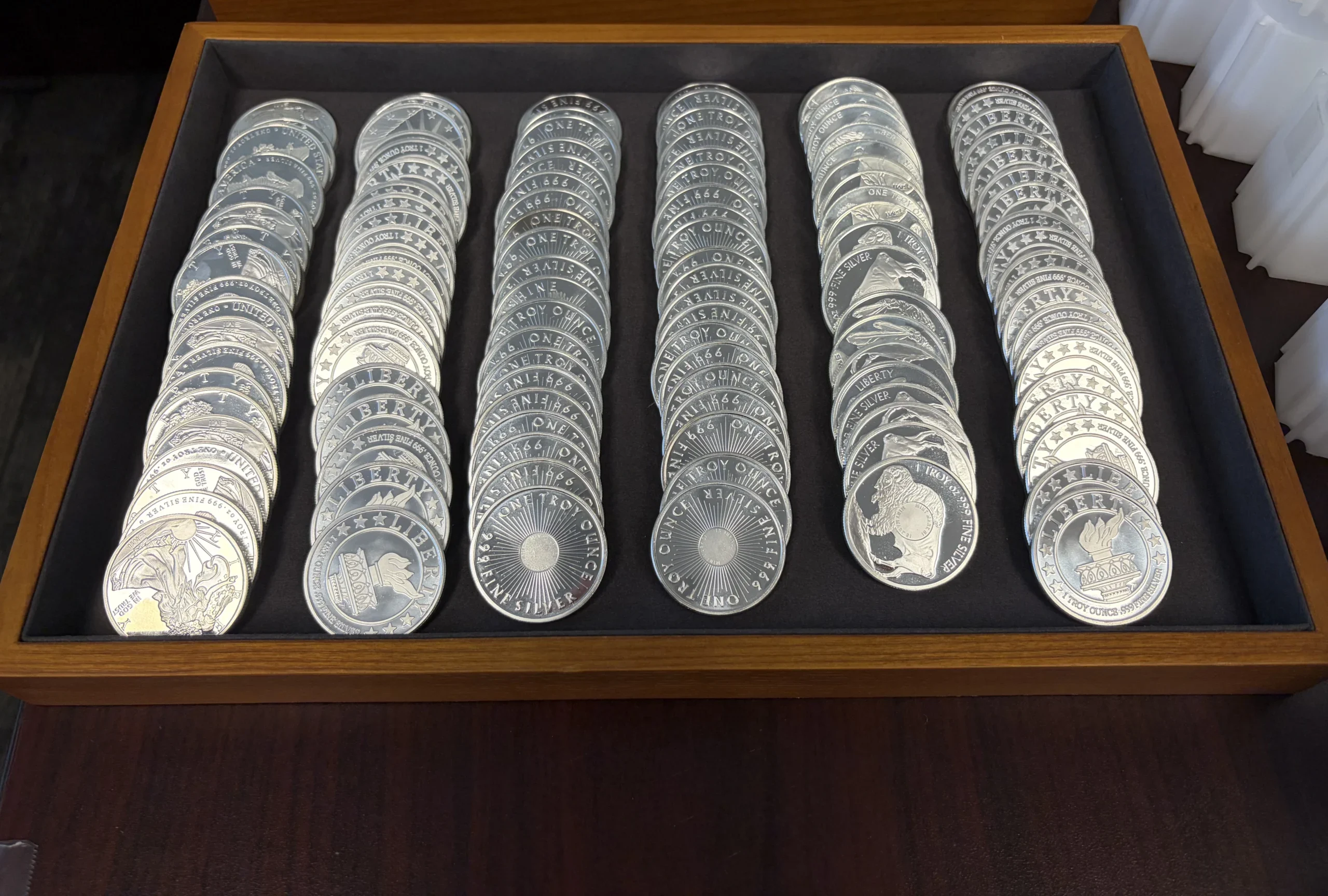
Investors buy physical silver through American Silver Eagles, bars, and other bullion products. These come with a premium over spot price to cover minting and distribution.
Silver ETFs like SLV and PSLV offer exposure without the hassle of storage. SLV is the biggest, while PSLV allocates specific bars to shareholders. Silver futures let traders go for leverage, but they’re not for the faint of heart.
People often add precious metals to diversify—usually 5-10% of a portfolio. The gold-silver ratio (how many ounces of silver equal one of gold) helps investors decide which metal looks cheap. If the ratio’s over 80, silver might be undervalued.
Silver as an Inflation Hedge and Safe Haven
Silver buying picks up when people worry about inflation or currency debasement. When central banks print money or governments run big deficits, investors flock to silver coins and bullion to protect their purchasing power.
Silver acts a bit differently than gold in a crisis. Gold usually gets more safe-haven demand, since it doesn’t have industrial exposure. Silver’s price reflects both monetary fear and what’s happening in the economy, so it can send mixed signals in a recession.
Physical silver is still a favorite for investors who don’t trust the financial system or want assets outside banks. Bars and coins can be held directly—no counterparty risk like with paper assets.
Silver Market Structure: Supply, Demand, and Price Drivers
The silver market runs on a tricky balance of mining output, recycling, and all sorts of demand that combine to create unique price patterns.
Global silver production hit 819.7 million ounces in 2024, while total demand reached 1.16 billion ounces. That ongoing supply deficit keeps putting pressure on prices.
Mining and Primary Silver Producers
Most silver comes as a byproduct of mining other metals. Lead and zinc mines produce the largest share, while gold mines chipped in 13.9 million ounces in 2024—a three-year high with 12% growth over the previous year.
Mexico tops the list of global silver producers. After Mexico, China, Peru, Bolivia, and Chile follow close behind.
Annual silver production edged up 0.9% in 2024, reaching 819.7 million ounces. The boost came from stronger output at Australian lead/zinc mines and Mexico’s Peñasquito mine returning to full capacity.
Top Silver-Producing Countries (2024):
- Mexico
- China
- Peru
- Bolivia
- Chile
Primary silver miners face a tricky situation since most silver is a secondary product from base metal or gold mines. This setup means silver supply reacts slowly to price changes, unlike metals mined for their own sake.
Recycling, Secondary Supply, and Global Inventories
Silver recycling hit a 12-year high in 2024, reaching 193.9 million ounces—a 6% jump from the year before. Industrial scrap, silverware, and jewelry recycling now make up about 19% of global silver supply.
Industrial scrap led the way, especially from used ethylene oxide catalysts in chemical production. Silverware recycling climbed 11% as higher prices and cost-of-living pressures pushed more people in Western countries to sell their old pieces.
Recycling rates respond quickly to price swings. When silver prices rise, more material floods the market from existing stocks, adding a flexible supply that can cool off price spikes.
Volatility and the Gold-Silver Ratio
Silver prices swing more wildly than gold. The metal’s smaller market size and its dual use in industry and investment both play a role.
The gold-silver ratio shows how many ounces of silver equal one ounce of gold—a favorite metric among traders and investors. Industrial demand adds another layer of price sensitivity that gold mostly avoids.
In 2024, record demand for electronics came from solar panels, autos, grid upgrades, and AI tech. These uses tie silver prices to the ups and downs of the economy and technology trends.
Investment demand shifts with inflation expectations, interest rates, and geopolitical events. Physical investment actually dropped in 2024, even as industrial demand stayed strong. Different buyers push and pull prices in opposite directions, leading to bigger swings than you see in gold.
Comparing Silver’s Dual Nature: Risks and Portfolio Impact
Silver acts as both a monetary and industrial metal, creating price patterns you don’t see in single-purpose investments. This dual identity shapes how silver performs in different economies and how it fits into a diversified portfolio.
How Silver’s Dual Identity Affects Portfolio Diversification
Silver brings something different to portfolio diversification. When markets get shaky, investors treat silver like a safe haven, similar to gold.
At the same time, demand from solar, electronics, and electric vehicles pushes prices based on manufacturing and tech growth. This mix can make silver prices move more sharply than gold’s.
During economic booms, industrial demand for silver rises while monetary demand might dip. In recessions, the reverse often happens.
Silver’s correlation with stocks, currencies, and commodities shifts depending on which demand—industrial or monetary—is in the driver’s seat. There’s no simple formula for predicting silver’s price since these forces keep shifting.
The metal offers risk protection through its monetary side and growth potential through industrial uses. Allocating silver is a different beast compared to purely industrial or strictly monetary assets.
Advantages and Drawbacks for Investors
Silver investment has its perks. It’s cheaper than gold and more abundant, so more people can buy in. Its use in growing industries like renewables gives it a demand base that gold doesn’t have.
But those same factors make silver volatile. When industrial and monetary demand signals clash, prices can get choppy. Factory slowdowns can drag prices down, even if investors want a safe haven.
Industrial supply and demand add complexity, making price forecasts tricky. Silver’s price depends on tech cycles, manufacturing, interest rates, inflation, and currency moves—all at once. Investors have to keep an eye on several economic signals, not just one.
The Evolving Future of Silver as Industrial and Monetary Metal
Silver’s future is getting shaped by rapid tech adoption in green energy and digital infrastructure. Meanwhile, investors still see it as a financial hedge.
These forces are putting new pressure on the market, where tight supply meets fast-growing demand from both industry and investors.
Technological Trends Driving Industrial Demand
Three big tech trends are reshaping global silver demand. Solar panels alone used 29% of industrial silver in 2024, up from just 11% a decade ago.
This growth comes from global pushes for renewable energy, even as manufacturers try to use less silver per panel. Electric vehicles need 67-79% more silver than gas-powered cars.
The EV shift boosts silver use in charging networks, sensors, and advanced electronics. It’s not just passenger cars—commercial fleets and public transit are part of the story too.
Data centers are another fast-growing demand source. Since 2000, global IT power capacity has soared 53 times, thanks to cloud computing, AI, and data storage.
Governments now treat data centers as strategic infrastructure and offer incentives that speed up expansion—and silver demand grows with it. In 2024, industrial silver use hit 689.1 million ounces.
But supply is tight. About 70% of new silver comes as a by-product from copper, zinc, lead, or gold mining, so output doesn’t ramp up easily.
Changing Patterns in Investment and Monetary Use
Silver still plays its old role as a hedge against inflation and currency swings. Investors turn to it during financial uncertainty and see it as a store of value with deep roots in monetary history.
Silver’s split personality keeps the market interesting. Unlike metals used only in industry, silver also gets treated as a monetary asset.
So, prices move with both manufacturing cycles and financial market moods. Investment demand now competes directly with industrial needs for the available supply.
As industry grabs a bigger share each year, less silver is left for investors. This shift cements silver’s place as both a tech essential and a financial asset.
Frequently Asked Questions
Silver’s spot as both an industrial metal and a monetary asset sparks a lot of questions—about its properties, how the market works, and why investors care. Its top-notch electrical conductivity powers industrial uses, while 4,000 years of history keep it in the investment spotlight.
Why is silver widely used in industrial applications compared to other metals?
Silver conducts electricity better than anything else. That makes it a must-have for electronics, solar panels, and electrical contacts where efficiency really matters.
Its thermal conductivity is also unmatched. Manufacturers turn to silver when they need fast heat transfer, like in brazing alloys or specialty electrical parts.
Silver naturally kills bacteria through the oligodynamic effect. Medical devices, water filters, and antimicrobial coatings use this property to fight germs without chemicals.
Modern solar panels need silver paste to carry the electricity made by photovoltaic cells. Each panel uses about 20 grams of silver, and as solar installs grow, so does annual silver demand.
Electric vehicles use nearly twice as much silver as regular cars. You’ll find it in battery connections, charging setups, and the electronics that keep EVs running smoothly.
What factors have historically made silver function as a form of money and store of value?
Silver’s rarity gives it value, but it’s common enough that ancient societies could mint enough coins for daily trade. That balance made silver practical for everyday use and storing wealth.
The metal doesn’t rust or corrode under normal conditions. Silver coins buried for centuries often come out looking pretty good, keeping their weight and purity over generations.
Silver is easy to divide because it’s soft and malleable. Merchants could cut coins or make smaller pieces for exact change, which made transactions simple at any scale.
People across cultures valued silver, even without formal agreements. This universal acceptance let silver serve as money on trade routes between civilizations that didn’t share language or customs.
Counterfeiting silver is tough. Its unique weight, color, and the sound it makes when struck helped merchants spot the real thing without fancy tools.
How does industrial demand influence silver prices differently than gold?
Industry uses about half of all new silver each year, while gold’s industrial use is just 10%. That difference means silver prices react more to manufacturing shifts and tech trends.
When the economy slows, factories cut back and industrial silver demand drops. Gold, on the other hand, often rises in those times as investors look for safety—their prices can even move in opposite directions.
Solar panel manufacturing now eats up over 100 million ounces of silver each year. Gold doesn’t have any single industrial demand source on that scale.
Silver inventories bounce around more than gold’s because manufacturers need to keep enough on hand. These stockpiles add extra price swings that don’t depend on investment demand.
When silver prices spike, some industries switch to alternatives like copper or aluminum. Gold’s monetary role doesn’t really have a substitute.
What does the term “poor man’s gold” mean when referring to silver?
“Poor man’s gold” just means silver costs a lot less per ounce than gold, so it’s more accessible for smaller investors. Usually, one gold ounce costs about 80 times more than a silver ounce.
Silver lets people with tighter budgets get into precious metals. With $500, you could buy around 20 ounces of silver, while that same money barely gets you a sliver of gold.
The phrase also nods to silver’s history as money alongside gold. Both stored value, acted as currency, and protected wealth through tough times.
Silver’s bigger price swings mean it can deliver higher percentage gains in bull markets. Some traders like the thrill of those bigger moves compared to gold.
Which industries drive the largest share of global silver consumption today?
Solar panels now claim the fastest-growing slice, using about 20% of annual silver supply. The global shift to renewables keeps pushing this number up.
Electronics manufacturing eats up roughly 30% of industrial silver. Phones, computers, TVs—almost anything with a circuit needs silver for top-notch conductivity.
Photography used to dominate but has dropped below 5% as digital tech took over. What’s left is mostly medical imaging and some artistic uses.
Silver brazing alloys and solders take a good chunk too. They’re crucial for joining metal parts in air conditioners, fridges, and cars—places where strength and conductivity matter.
Medical uses are growing as well. Silver’s germ-fighting power shows up in wound dressings, catheters, and surgical tools, a small but rising share as healthcare spending climbs worldwide.
What has Elon Musk publicly said about silver, and how did markets interpret it?
Elon Musk hasn’t really talked much about silver as an investment or even as an industrial metal. If you see claims online that Musk is pro-silver, double-check them—misinformation spreads fast on social media these days.
Tesla uses silver in its electric vehicles and solar products. As Tesla grows, its manufacturing boosts industrial demand for silver, but Musk hasn’t actually addressed this link in public.
Sometimes, when Musk talks about battery tech or solar energy, people get confused. Those topics do involve silver, but he hasn’t made any investment recommendations about it.
Social media posts that fake Musk endorsements have nudged silver prices before. It’s smart to verify any supposed celebrity statements with reliable sources before acting on them.