



|
Getting your Trinity Audio player ready...
|
Central banks around the world have been buying gold at levels not seen in decades. Over the past few years, these institutions have added more than 1,000 tons annually to their reserves.
This shift signals a big change in how the world’s top financial institutions think about security, risk, and the future of money. Central banks use gold mostly as a hedge against currency instability, geopolitical risk, and inflation, while cutting their dependence on dollar-denominated assets like U.S. Treasuries.
For 16 straight years, central banks have been net buyers of gold, flipping the script after decades of selling. This isn’t a knee-jerk reaction to a single crisis—it’s more about deep concerns over the global financial system and the need for assets that governments can’t freeze, sanction, or devalue.
The reasons central banks are stacking gold matter to individual investors, too. After all, regular people face a lot of the same risks: currency devaluation, rising government debt, inflation, and geopolitical chaos can all hit personal wealth just like they hit national reserves.
If the world’s most sophisticated institutions—with their armies of analysts—are moving toward gold, it’s worth asking what they see that we might not. Maybe it’s time to think about how gold can protect your own portfolio.
The Strategic Role of Gold in Central Bank Reserves
Central banks worldwide manage gold as a core part of their reserve portfolios. Recent data shows 93% of surveyed institutions consider interest rate levels critical to their decisions.
Gold serves three main functions: crisis protection, portfolio diversification, and long-term value preservation.
Historical Evolution of Gold in Monetary Systems
Gold anchored global monetary systems for centuries, up until the collapse of the Bretton Woods system in 1971. Under Bretton Woods, the U.S. dollar was convertible to gold at $35 per ounce, and other currencies pegged to the dollar.
After 1971, central banks didn’t need gold to back their currencies anymore. Many sold off gold reserves during the 1980s and 1990s, seeing it as a non-yielding asset.
The Bank of England famously sold half its gold holdings between 1999 and 2002 at prices near $275 per ounce. The 2008 financial crisis changed everything.
Central banks shifted from net sellers to net buyers of physical gold. Growing concerns about currency stability and the need for assets independent of counterparty risk drove this change.
Current Trends in Gold Accumulation
Central bank gold purchases hit record levels in recent years, with emerging market and developing economies (EMDE) leading the charge. A 2025 survey found that 43% of central bank respondents expect to increase their gold reserves over the next 12 months—the highest percentage ever recorded.
EMDE central banks show a stronger appetite for gold than their advanced economy counterparts. Foreign central banks now hold more gold than U.S. Treasuries, which marks a big shift in reserve composition.
The World Gold Council reports that 95% of surveyed central banks believe global gold reserves will keep growing. Advanced economy central banks mostly hold steady, while EMDE institutions actively expand their positions.
This pattern shows different risk priorities and geopolitical concerns between these two groups.
Main Drivers of the Shift to Gold
Crisis Performance and Value Storage
Central banks say gold’s performance during crises is the top reason for holding it—85% of respondents rate this attribute as highly or somewhat relevant. Its role as a long-term store of value comes in just behind, at 80%.
Diversification and Geopolitical Factors
Diversification drives 81% of central bank gold holdings. EMDE central banks see gold as a geopolitical diversifier more strongly than advanced economies do—78% versus 46% respectively.
Geopolitical instability influences 81% of EMDE central banks, compared to 60% of advanced economy institutions. Inflation worries affect 84% of EMDE respondents but only 67% of those from advanced economies.
These differences explain why emerging market central banks accumulate gold more aggressively than their developed market peers.
Why Central Banks Are Buying Gold: Key Motivations
Central banks purchased about 850 tons of gold in 2025, marking the third-highest annual total ever. This buying surge reflects anxiety over financial security, geopolitical tensions, and the stability of traditional reserve assets.
Geopolitical Risk and Sanction Protection
The freezing of Russia’s currency reserves in 2022 forced many countries to rethink their financial holdings. Central banks realized that holding assets in foreign currencies could leave them exposed to political decisions made elsewhere.
Gold offers a different kind of security. No single country controls it, and you can’t freeze or seize it through digital systems.
Central banks in emerging economies responded by increasing their gold reserves significantly. Poland, Turkey, India, and China have been among the biggest buyers lately.
Adam Glapinski, governor of the National Bank of Poland, said instability has become a defining feature of the global economy. The war in the Middle East that began in late February 2026 pushed more central banks to add gold, including those in China, Poland, the Czech Republic, and Uzbekistan.
Inflation Concerns and Currency Devaluation
Central banks buy gold to protect against inflation and the weakening of paper currencies. As inflation rises, the purchasing power of traditional currencies falls.
Gold keeps its value over long periods, no matter what happens to any single currency. Gold prices topped $5,000 per troy ounce in 2026, doubling in less than two years.
This price surge reflects both central bank demand and wider fears about currency stability. Central banks see gold as a strategic asset that shields their reserves from value loss during economic uncertainty.
Gold acts as a hedge against inflation because its supply is limited. Governments can print paper money endlessly, but you can’t just conjure up more gold—it takes mining and refining.
De-Dollarization Strategies
Many central banks are trying to rely less on U.S. dollar holdings. This marks a fundamental change in how nations structure their reserves.
Central bank gold buying reflects concerns about exposure to U.S. fiscal and political decisions outside their control. Emerging economy central banks are leading this trend.
China’s central bank bought more gold in March 2026 than it had in over a year. Guatemala purchased gold in March 2026 for the first time in about six months.
This de-dollarization shows that Treasury holdings create dependencies on U.S. policies. Gold provides an alternative that doesn’t tie reserves to any single nation’s economy or political system.
Hedge Against Financial Instability
Gold acts like insurance during times of financial stress. When markets get volatile or banking systems wobble, central banks turn to gold because it holds value independently of financial institutions.
Central bank gold demand stayed near multi-decade highs through late 2025. The World Gold Council reported that official sector purchases continued at elevated levels, with central banks buying 1,045 tons in 2024.
This steady buying shows that central banks aren’t just reacting to short-term market swings. They’re positioning for long-term shifts in the global monetary system.
Financial instability in different regions has only reinforced gold’s reputation as a reliable store of value that doesn’t depend on any counterparty or government guarantee.

Global Gold Buying Trends and Leading Purchasers
Central banks added over 650 tons of gold to their reserves through August 2025. Emerging market nations made up most of these purchases.
This buying activity shows a clear shift in how countries manage their monetary reserves, moving away from heavy reliance on foreign currencies toward more gold.
Emerging Market Central Banks Driving Demand
Emerging market central banks have become the main force behind global gold demand since 2022. They purchased 1,045 tons in 2024 and kept up strong buying into 2025, though the pace slowed in the second quarter to 166 tons.
Quarterly buying in Q2 2025 dropped 21% year-over-year but still came in 41% above the average between 2010 and 2021. First-half 2025 purchases totaled 415 tons, down from 525 tons in the same period of 2024.
Gold prices hit $4,000 per troy ounce by October 2025, doubling in less than two years. This sharp price jump slowed central bank buying, but institutions kept adding gold despite higher costs.
The fact that they kept buying at these levels says a lot—central banks see gold as essential for their strategic reserves.
Notable Country Case Studies
Poland’s central bank led all buyers in Q2 2025 with 19 tons, bringing total holdings to 515 tons or 22% of its reserves. Turkey added 11 tons during the quarter, reaching 635 tons total.
Kazakhstan ramped up purchases to 16 tons in Q2, up from 6 tons in Q1, bringing reserves to 306 tons. China added 6 tons during the quarter for a year-to-date total of 19 tons and overall holdings of 2,299 tons.
Azerbaijan’s State Oil Fund increased gold holdings by 16 tons to reach 181 tons—almost 29% of its investment portfolio. Smaller buyers included the Czech Republic (6 tons), Qatar (2 tons), Cambodia (2 tons), and Ghana (2 tons).
Singapore, Uzbekistan, and Germany were the only notable sellers in Q2 2025, with minimal volumes totaling 9 tons combined.
Changes in Gold Holdings Versus Other Assets
Central bank gold reserves dropped by about 10% between 1971 and 2000, while foreign currency reserves grew five-fold in constant dollars. After 2018, that trend flipped—purchases shot past 1,000 tons annually in recent years.
The United States still holds the largest gold stash at 8,133 tons, more than the next three countries combined. But emerging markets are reshaping the landscape by consistently accumulating gold and cutting exposure to any single currency.
Gold now makes up different percentages of total reserves across countries. Poland holds 22% in gold, Azerbaijan nearly 29%, while other nations set their own levels based on their strategy.
These different approaches reflect how each country views gold’s role as a store of value and crisis hedge within a broader reserve portfolio.
Impact on Gold Market Dynamics and Prices
Central banks have put real upward pressure on gold prices through steady buying, making up over 20% of global gold demand in 2024. Their institutional demand sets practical price floors and creates reporting gaps that make it tough to see the true scale of these moves.
Price Floor Creation Through Institutional Demand
Central bank purchases set a baseline support for gold prices that just didn’t exist back when they were net sellers. In 2024, official sector demand hit record highs, continuing the surge that started after Russia’s invasion of Ukraine in 2022.
Central banks rarely sell off their gold during downturns, so this persistent buying props up a price floor. The scale of their demand has changed gold market dynamics at the core.
When these institutions take in more than one-fifth of global gold demand, they squeeze the available supply for everyone else. That supply crunch keeps prices higher, even when jewelry demand drops—like it did in China this year.
Turkey, India, and China together bought over 600 tons since late 2021. These heavy buys from major economies show long-term commitment, not just tactical trades, and that brings some stability to precious metals allocation strategies.
Market Effects of Reserve Diversification
Countries that align more with China and Russia have ramped up their gold reserves since late 2021. This shift shows how diversification away from traditional reserve currencies keeps demand strong.
After February 2022, the link between gold prices and real US yields broke down. Geopolitics now drive prices along with old-school economic factors.
Reserve diversification shapes gold markets through direct buying and the signals it sends. When big economies boost their precious metals allocation, smaller countries often follow suit.
This domino effect multiplies the impact of central bank demand far beyond just the tonnage they buy.
Reporting Gaps and True Purchase Volumes
Plenty of central banks don’t report their gold purchases right away, which creates information gaps and hides actual demand. Some emerging market banks slowly accumulate gold off the radar, only updating their official reserves later.
Because of these reporting lags, the published data probably understates how much gold they’re really buying. Without real-time transparency, price discovery in gold gets tricky.
Investors often find out about big central bank purchases months after the fact—by then, prices have already moved.
Relevance for Individual Investors and Portfolio Strategies
Central banks buy gold for the same reasons regular investors might: it protects against currency weakness, helps during crises, and brings balance to a portfolio. These days, financial advisors often suggest putting 10-17% into precious metals, depending on age and risk appetite.
Parallels Between Institutional and Individual Gold Use
Central banks focus on gold for three big reasons, and honestly, those matter for personal portfolios too. Gold’s a long-term store of value, shines during economic crises, and offers diversification benefits.
Sure, central banks juggle currency reserves and geopolitics, but individual investors face their own headaches from inflation and market swings. The 2025 Central Bank Gold Reserves Survey found 85% of central banks rate gold’s crisis performance as highly relevant, and 81% value its diversification. These priorities line up with personal wealth protection.
Individuals don’t have the same political baggage, either. They can move faster into gold through ETFs, physical bullion, or mining stocks. That flexibility lets retail investors benefit from the same protections that drive big institutional buys.
Gold as a Safe Haven Asset
Gold keeps its purchasing power when other assets tank. In times of economic trouble, it usually goes up as investors look for safety.
The metal hit $4,000 per troy ounce in October 2025, doubling in less than two years. Central bank buying backs up gold’s reputation as a hedge against inflation.
When 84% of emerging market central banks cite inflation worries as a reason for their gold moves, individual investors should pay attention. Physical gold carries no counterparty risk and can’t be devalued by government decree.
Gold doesn’t move in lockstep with stocks or bonds. That makes it valuable when markets get rocky and traditional assets start moving together.
Portfolio Diversification With Precious Metals
Precious metals allocation helps lower portfolio risk. Gold moves differently than stocks and bonds, so it balances things out when other assets struggle.
Most investors stick to a 10-17% allocation—enough to diversify, not so much that it overwhelms the rest of the portfolio.
You can get gold exposure in a bunch of ways:
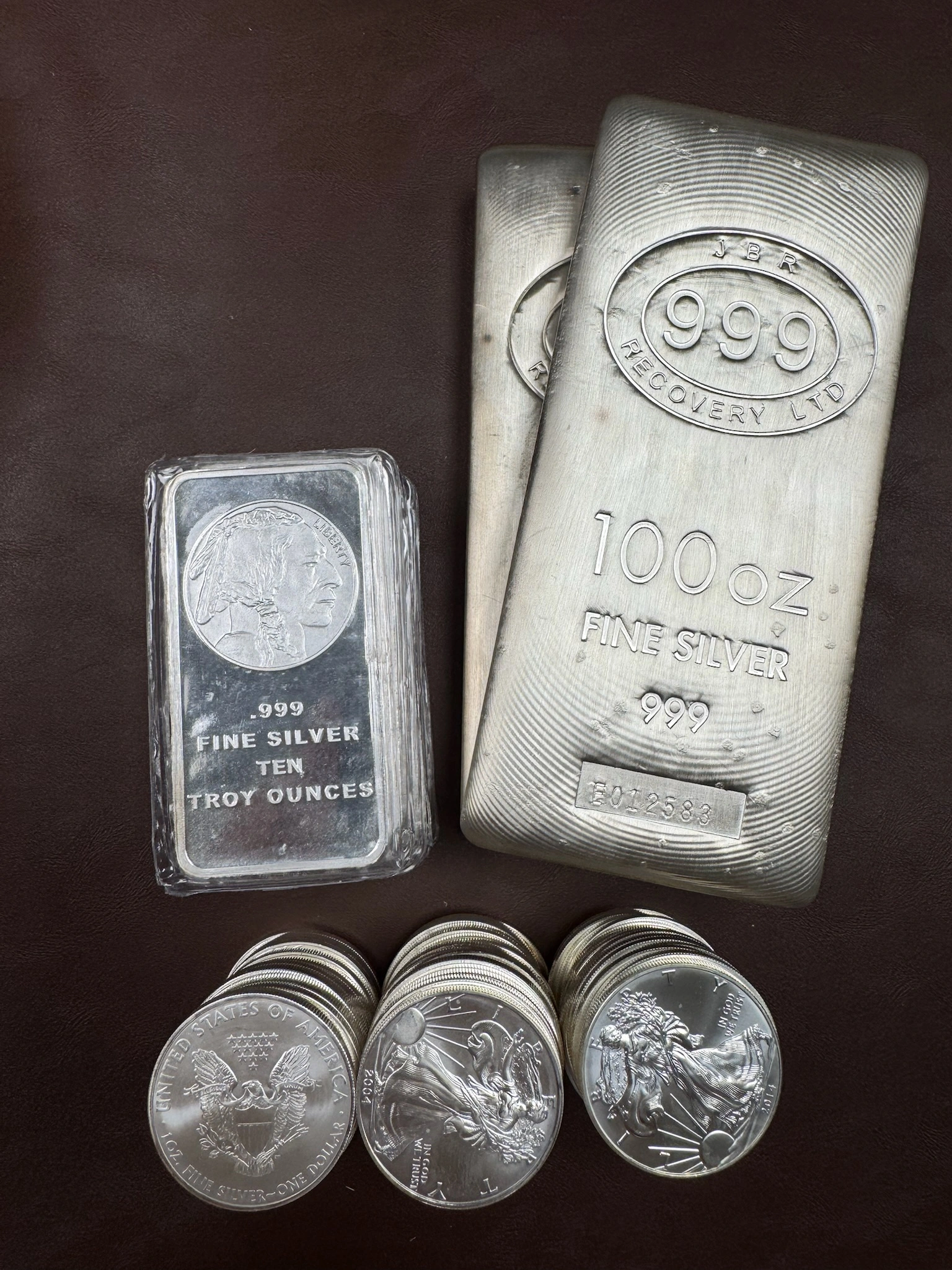
- Physical bullion (coins and bars)
- Gold ETFs for easy trading
- Mining company stocks if you want growth potential
- Precious metals mutual funds for professional management
Each method has its pros and cons—storage costs, liquidity, growth, you name it. ETFs are probably the simplest for most folks, since they track gold prices closely and don’t require safes or insurance.
Rebalancing is key with portfolio diversification. If gold prices shoot up, it might make sense to trim your position and stay on target. That way, your inflation hedge does its job without taking over the whole portfolio.
Looking Ahead: The Future of Central Bank Gold Holdings
Central banks added over 1,000 tons of gold each year for three years straight through 2024. That’s a huge jump from the old average of 400-500 tons per year.
According to 2025 survey data, 95% of central banks expect global gold reserves to keep growing, and 43% plan to boost their own holdings in the next year.
Long-Term Expectations for Gold Accumulation
Central bank demand for gold doesn’t look like it’s slowing down. The 2025 Central Bank Gold Reserves survey said zero respondents expect their gold reserves to shrink over the next 12 months.
That’s the most bullish outlook since the survey started eight years ago. What’s driving this? Central banks point to gold’s strong performance during financial crises as a top reason to keep adding to reserves.
Portfolio diversification and inflation hedging are big motivators too. The shift away from US dollar holdings only adds to the case for gold.
Roughly 73% of central banks in the survey expect moderate to big drops in their dollar reserves over the next five years. As they cut back on dollars, they’re turning to gold and also to currencies like the euro and renminbi.
Potential Changes in Reserve Management
Central banks are getting more hands-on with managing their gold reserves. The share of institutions actively managing their gold jumped from 37% in 2024 to 44% in 2025.
Key changes in management strategy include:
- More focus on risk management over just tactical trading
- Greater emphasis on domestic storage (59% in 2025, up from 41% in 2024)
- Smarter gold allocation strategies within overall reserves
The Bank of England is still the top external storage spot, with 64% keeping gold there. But the rise in domestic storage shows central banks want more direct control—can you blame them with all the uncertainty these days?
Implications for Global Finance
Central banks piling up gold signals a real change in how nations handle financial security. They’ve become net sellers of US Treasuries since March 2025, and that trend sped up after tariff drama in April.
This move away from Treasuries sends ripples through global markets. As central banks diversify out of dollar assets, gold’s role as a neutral reserve only grows stronger.
Gold acts as a kind of financial insurance—not controlled by any one government. Prices have shown this, hitting $4,000 per troy ounce in October 2025, doubling in under two years.
Central bank buying isn’t the only factor, but it gives gold prices a floor that just wasn’t there in past decades.
Frequently Asked Questions
Central banks have ramped up gold buying lately, with prices soaring past $5,000 per ounce and institutional purchases hitting 863 tons in 2025. These trends reflect strategic moves around reserve management, stability, and geopolitics.
Why are central banks increasing their gold reserves in recent years?
Emerging market central banks have driven almost all the recent gold buying since the Global Financial Crisis. Countries like China, Russia, Turkey, India, and Poland have added a lot of gold holdings to their reserves.
Geopolitical worries power much of this activity. Research shows that countries facing sanctions or less aligned with the US tend to ramp up their gold reserves.
Central banks see gold as protection against decisions from other governments that could hit their foreign currency holdings. Gold offers a hedge that’s outside any single country’s policies or politics.
Unlike currencies or bonds, gold carries no counterparty risk. Central banks in the US and euro area have mostly kept their gold steady since 2008, while emerging markets keep adding more.
What signals do central bank gold purchases send about inflation, currency stability, and geopolitical risk?
When central banks buy more gold, it usually signals worries about currency devaluation and inflation. When big institutions shift toward tangible assets, they’re showing less faith in paper currency stability.
These purchases also reflect geopolitical tensions. The trend toward repatriating gold from places like the New York Fed and Bank of England shows some central banks want physical control of their reserves during shaky times.
Gold prices have tripled from 2007 to 2024, partly thanks to this institutional demand. Rising prices themselves send a message about global economic concerns. When central banks pile into gold, they’re acknowledging risks that impact both nations and regular investors.
How do central banks decide when to buy, hold, or sell gold reserves?
Central banks look at gold through a strategic lens. They weigh security, storage logistics, and liquidity needs, trying to see how gold fits with everything else they own.
They also run regular audits to keep their books straight. It’s not just about the numbers, though—there’s a lot of trust and reputation on the line.
Surveys from the World Gold Council and Official Monetary and Financial Institutions Forum show that central banks see gold as a store of value. They tend to buy more when geopolitical risks spike or when they want less exposure to a single foreign currency.
Advanced economies were net sellers of gold from 1970 until the Global Financial Crisis. Since then, they’ve mostly held steady.
Emerging markets do things differently. They often buy gold to diversify away from the dollar or to shield themselves from U.S. fiscal policy swings.
Central banks usually hold onto gold when markets get rough. They know gold prices often climb during crises, so it’s a handy buffer when everything else gets shaky.
How do changes in central bank gold holdings typically affect gold prices and market volatility?
When central banks start buying, they give gold prices a pretty strong boost. Official purchases—sometimes hundreds of tons a year—can really push demand and prices higher.
Gold doubled in price in less than two years before October 2025, and a big chunk of that came from central banks stocking up. That’s a lot of influence from just a few big players.
If central banks decide to sell in large amounts, prices can slip. But since the financial crisis, most advanced economies have just held onto their gold.
That steady approach means there’s less surprise supply hitting the market, which helps keep prices from dropping too much.
Central bank buying isn’t just about prices. When they show confidence in gold, private investors pay attention and sometimes follow along.
This kind of institutional backing can make price swings less wild by building a base of long-term holders. It’s a bit of a feedback loop—confidence breeds more confidence.
What can individual investors realistically learn from central bank gold buying trends when building a portfolio?
Central bank moves spotlight risks that hit everyone, not just governments. Inflation, currency drops, and geopolitical worries matter to both national treasuries and regular folks.
When these big institutions add gold, they’re basically saying, “Hey, we see some threats to purchasing power.” That’s worth noticing.
Central banks play the long game. They don’t chase short-term gold price swings. Instead, they buy during uncertain times and just sit tight through ups and downs.
Of course, the scale is totally different. Central banks manage billions or trillions, while most individuals are dealing with way less.
So, personal investors need to think about different things—like how easy it is to sell or store gold. It’s a different ballgame, but some lessons carry over.
Central bank trends send signals, not instructions. Record demand in 2024 and 2025 hints at some real institutional worry about the economy.
That’s a clue, not a command. Investors can use it as one piece of the puzzle when figuring out their own portfolios.
How does gold compare with other reserve assets like U.S. Treasuries or foreign currencies in central bank strategy?
Gold makes up about 17% of all global foreign reserves. Central banks and the IMF together hold around 40,000 tons.
Foreign currency reserves, especially U.S. dollars, still dominate most central bank portfolios. Even so, gold’s share has grown as prices climb and emerging markets keep buying.
Advanced economies—think the United States and euro area countries—hold a big chunk of their reserves in gold. Their overall reserve levels might be small, but gold is still a major piece of the pie.
The U.S. sits on about 8,100 tons, valued at $682 billion by the end of 2024. Euro area central banks have $903 billion in gold.
Emerging markets usually keep larger foreign exchange reserves compared to their GDP. They mostly hold currency-denominated assets, but lately, they’re upping their gold holdings.
Countries like Turkey and Russia now count gold as a significant part of their reserves. It’s a noticeable shift.
Here’s the real difference: counterparty risk. U.S. Treasuries and foreign currencies depend on the fiscal health and choices of whoever issues them.
Gold doesn’t rely on any government or policy. Central banks seem to value this independence more and more, especially when global tensions flare up or when they’d rather not depend on decisions coming out of Washington or other capitals.