




|
Getting your Trinity Audio player ready...
|
Buying precious metals should be simple. But let’s be honest, investors often feel lost thanks to sales pressure and unclear pricing. Metals Edge helps clients add physical gold and silver to their portfolios through a clear process that focuses on education, not urgency. The company has spent more than 20 years building a system where transparency comes first.
The MetalsEdge Account gives clients a secure way to own physical precious metals with titled and allocated storage, regular audits, and full online access to their holdings. Every purchase is confirmed on a recorded line with clear pricing and fees.
Clients can view account statements and real-time prices anytime through the online platform. The metals sit in approved depositories with double insurance and regular audits for security.
Clients work with trained specialists who explain options for retirement accounts, trust accounts, and direct purchases. The process aims to help investors make informed decisions without pressure or hype.
Fundamentals of Precious Metals Investing
Physical metals like gold and silver work differently than stocks or bonds. Investors can hold them, store them, and pass them down through generations.
These tangible assets help protect wealth during inflation. They add stability to portfolios because they move independently of traditional markets.
Understanding Physical Gold and Silver
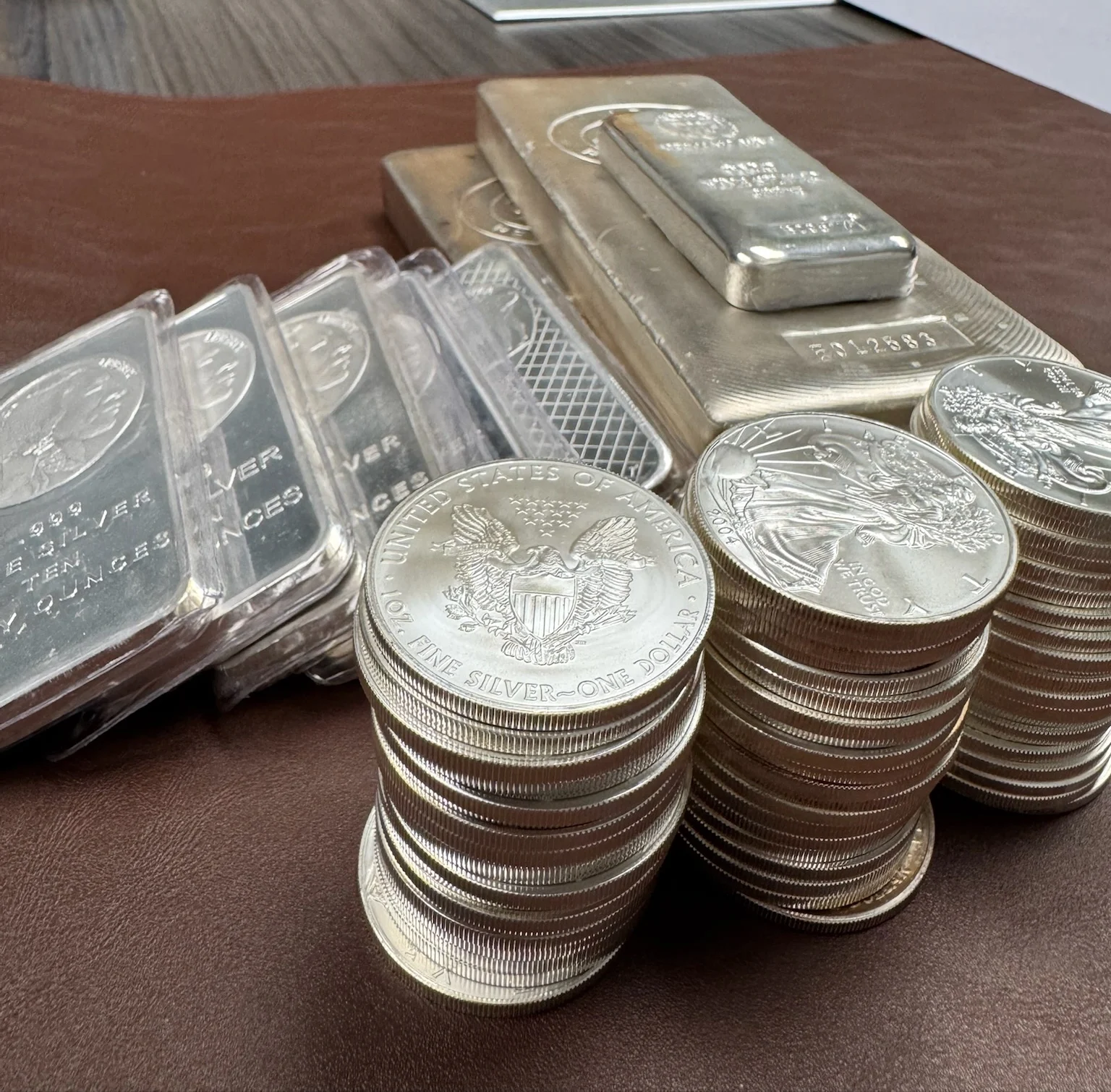
Physical gold and silver come in several forms that investors can purchase and own directly. Bullion bars range from one ounce to 400 ounces for gold and up to 1,000 ounces for silver.
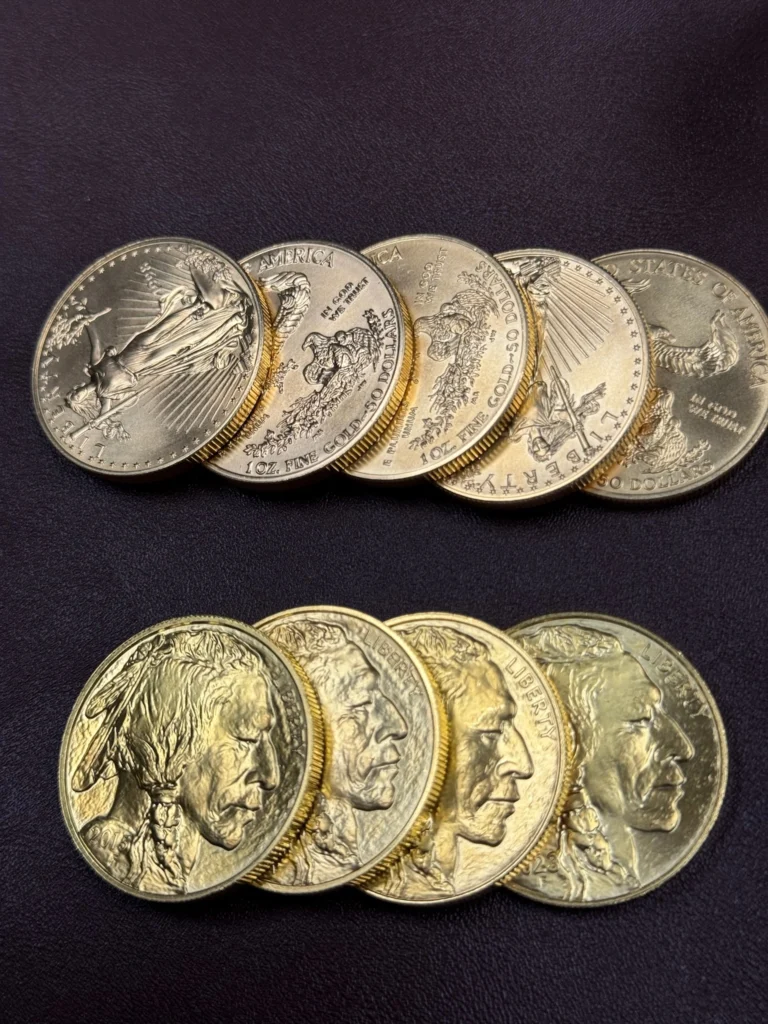
Popular coins like American Eagles, Canadian Maple Leafs, and South African Krugerrands offer smaller denominations. These are easier to buy and sell.
Investors should consider storage and insurance costs when buying physical metals. A safe deposit box typically costs $50 to $200 per year.
Home safes provide another option but need homeowner’s insurance riders for full coverage. There’s no one-size-fits-all answer here.
A Gold IRA or Silver IRA lets investors hold physical precious metals in a retirement account. These accounts follow IRS rules for approved metals and storage.
Custodians handle the purchasing and storage while keeping the tax-advantaged status of the retirement account. It’s a hands-off way to own metals.
The spot price reflects the current market value for immediate delivery. Premiums above spot price cover minting, distribution, and dealer costs.
Premiums vary based on product type, quantity, and current market demand. It’s worth shopping around.
Benefits of Tangible Assets in Diversification
Precious metals investing offers portfolio balance because gold and silver prices often move independently from stocks and bonds. When stock markets drop, metals often keep their value or even rise.
This negative correlation helps reduce overall portfolio volatility. It’s not magic, but it’s a real benefit.
Tangible assets offer protection that paper investments can’t match. Physical metals exist outside the banking system and carry no counterparty risk.
If you own gold bars or silver coins, you hold real wealth that doesn’t depend on a company’s performance or a government’s promise. That’s peace of mind.
Metals investing complements traditional assets, not replaces them. A typical allocation ranges from 5% to 15% of a portfolio, depending on goals and risk tolerance.
This percentage provides meaningful protection without overexposing you to a single asset class.
How Precious Metals Preserve Purchasing Power
Gold and silver maintain their value as currency loses purchasing power to inflation. The price of gold has jumped from $35 per ounce in 1971 to over $2,000 per ounce in recent years.
This growth shows gold’s ability to preserve purchasing power as the dollar’s value declined. It’s not a straight line, but the trend is hard to ignore.
Silver serves dual roles as both a monetary metal and an industrial commodity. Demand from solar panels, electronics, and medical equipment supports silver prices along with its investment appeal.
This combination creates extra price support beyond just monetary factors. Silver’s versatility is a big plus.
Precious metals protect against currency debasement. Central banks can’t print more gold or silver, unlike paper currency.
When governments increase the money supply, the fixed supply of precious metals helps them retain value relative to inflated currencies.
Historical data shows metals perform well during periods of high inflation or economic uncertainty. The 1970s saw gold prices rise from $35 to over $800 per ounce as inflation hit double digits.
Why Clients Seek Clarity and Transparency
Investors need to understand exactly what they own, what they pay, and how their metals are handled. Clear information about metal ownership, transparent pricing, and secure transactions removes doubt from the process.
Reducing Guesswork in Metal Ownership
Clients want to know what they actually own when they invest in precious metals. Allocated storage means investors get the same type of bullion they purchased—10 Gold Eagles in, 10 Gold Eagles out.
This differs from pooled storage, where investors just hold claims against a general pool instead of owning specific metals. The distinction matters because ownership type affects legal rights.
With allocated storage, clients maintain clear ownership backed by warehouse receipts. With unallocated storage, clients become creditors and could face complications if the custodian runs into financial trouble.
Vetted suppliers and secure storage facilities provide documented proof of holdings. This removes questions about whether the metals exist and where they are.
Clients receive verification without needing to physically inspect vaults or track inventory themselves.
Transparent Pricing and Secure Transactions
Knowing the full cost upfront helps clients make informed decisions. Transparent pricing includes the metal cost, any premiums, storage fees, and transaction costs with no hidden charges.
Storage fees should be stated clearly as a percentage or flat rate. For example, allocated storage might cost 0.06% of asset value per month.
Clients can calculate total costs before committing. No surprises later—that’s the goal.
Secure transactions need a proper chain of custody from purchase through delivery to storage. Metals shipped directly from the dealer to facilities like Brinks keep documentation at each step.
This process ensures the purchased metals arrive at the right vault and get logged under the client’s account. Insurance coverage adds another layer of protection.
Coverage limits per account should be specified, such as up to $50 million, so clients know their holdings are protected against loss or damage.
Avoiding Hype and Unnecessary Complexity
The precious metals industry often includes inflated claims about returns or complicated product structures. Clients benefit from straightforward information about what metals do and don’t provide in a portfolio.
A premium service focuses on operational reliability, not sales tactics. This means explaining actual storage options, fees, and risks without exaggerating security features or downplaying costs.
Some dealers create complexity by offering fractional ownership or hybrid programs that blur ownership lines. Clear programs stick to standard options like allocated or segregated storage with defined terms.
Every investor deserves accurate information, no matter the portfolio size. Small investors should get the same honest explanations about premiums, storage choices, and withdrawal processes as large institutional buyers.
The Metals Edge Account Experience
The Metals Edge Account gives clients direct access to their holdings through a digital platform. Structured education and consistent service standards back up that access.
Account holders can view their positions at any time. Guidance from specialists removes speculation from the allocation process.
Online Account Access and User-Friendly Interface
The platform lets clients view their Metals Edge Account holdings securely 24/7. Account holders can log in, check their positions, download statements, and schedule consultations anytime.
The interface displays real-time info about stored metals, including quantities and current values. Clients can track investments from any device with internet access.
The system keeps things transparent by providing detailed documentation for each transaction. Users can manage their portfolios independently but still get support when needed.
No more waiting on hold just to check your account status or grab a statement.
The Role of Investor Education and Retirement Fluency
Metals Edge provides educational resources explaining how precious metals fit within a diversified portfolio. The company aims to help clients understand market fundamentals, not make wild predictions about prices.
Retirement guides show how gold and silver fit into long-term planning. These materials cover the differences between physical delivery, storage accounts, and precious metals IRAs without pushing any single option.
The educational approach builds what the company calls retirement fluency. Clients learn the role of tangible assets in protecting purchasing power over time.
The materials explain concepts like currency devaluation and inflation hedging in straightforward terms.
Streamlined Account Opening and Documentation
Opening a Metals Edge Account follows a clear process with defined steps. Clients complete required documentation through a guided system that explains each form and disclosure.
The account setup includes identity verification and compliance checks that meet industry standards. Representatives walk clients through the paperwork without unnecessary delays.
The process usually moves from initial consultation to account activation within a few business days. All documentation gets stored digitally within the account portal.
Clients can access their paperwork anytime without requesting copies or digging through physical files.
Standardized Fulfillment and Support
The company uses standardized procedures for purchasing, storing, and delivering precious metals. Every transaction follows the same protocols, no matter the account size or metal type.
Support extends across the full lifecycle of ownership. Representatives assist with initial purchases, answer questions about storage options, and coordinate fulfillment when clients request physical delivery.
The team provides consistent service whether a client needs help understanding their statement or wants to adjust their holdings. Storage coordination happens through established partnerships with secure facilities.
Clients receive allocated storage where their specific metals are identified and segregated. The standardized approach means every account holder gets the same level of service and security measures.
Choosing Secure Storage and Allocation Options
Proper storage requires understanding the legal ownership structures available. Coordination between buyers, dealers, and depositories protects investments while keeping access to physical metals when needed.
Allocated vs. Unallocated Storage Explained
Allocated storage means you own specific bullion in your name at a depository. If you store 10 one-ounce Gold Eagles, you’ll get 10 Gold Eagles back when you withdraw—though maybe not the exact same coins.
Here, you hold legal ownership, not just a claim against a pool. Unallocated storage treats you more like a creditor with a claim on a shared pool of metals.
The custodian certifies you own a certain weight but doesn’t assign you specific bars or coins. If your storage provider faces bankruptcy, proving ownership can get tricky, and you might only get a partial payout.
Key differences:
| Storage Type | Ownership Status | Risk Level | Cost |
|---|---|---|---|
| Allocated | Direct owner of specific metals | Low | Moderate |
| Unallocated | Creditor with claim on pool | High | Lower |
Allocated storage helps avoid problems like those seen when Morgan Stanley paid $4.4 million in 2007 for charging clients for metal storage without actually buying or storing any metals. There have been cases where banks lent out metals that were supposed to be allocated, or just didn’t keep enough inventory on hand.
How Storage Coordination Works
When you use professional storage programs, metals ship directly from dealers to third-party depositories like Brinks or IDS. These facilities work independently from dealers, banks, and government agencies.
The chain of custody starts when metals leave the dealer and continues right through to the depository. Staff log each delivery and issue warehouse receipts, which certify your legal ownership under bailment arrangements.
This legal setup means the storage facility holds metals for you, not for itself. Reputable depositories run Class 3 vaults with armed guards, 24/7 monitoring, video surveillance, laser barriers, and motion sensors.
Independent audits check that physical inventory matches client records. There’s no fractional holding or lending going on.
Storage fees usually run about 0.06% of asset value per month for allocated storage. Accounts get full insurance coverage up to $50 million each.
You can store metals in multiple international locations—U.S., Canada, Hong Kong, and Singapore are all options.
Physical Delivery and Withdrawals
If you want physical delivery, just contact your storage provider. The depository ships metals to your chosen address using insured carriers.
Delivery times depend on where you are, but it’s usually just a few business days. When you request a withdrawal, you specify the exact quantity and type of metal.
For allocated storage, the depository pulls your requested bullion and checks weight and quality before shipping. You pay shipping and insurance fees based on the order’s value and where it’s going.
Some folks add to their holdings by buying online and shipping directly to storage, so they never have to handle the metals themselves. Others sell stored metals back to dealers without ever taking delivery.
It’s flexible—you can adjust your position while keeping everything secure. Delivery minimums and fees vary by provider and metal type.
Small withdrawals might cost more per ounce than big ones because of fixed handling and shipping costs.

Coordinating IRAs and Trust Accounts
If you want to hold precious metals in retirement accounts, you need a specific custodian, an IRS-approved depository, and the right paperwork. Metals Edge Account clients get step-by-step help setting up compliant IRAs and trust accounts, plus connections to the right storage and admin services.
Gold & Silver IRAs: Setup and Compliance
A gold and silver IRA lets you hold physical metals inside a self-directed individual retirement account. These accounts must stick to IRS regulations about which metals qualify and how you store them.
Eligible metals include:
- Gold coins and bullion (at least 99.5% pure)
- Silver coins and bullion (at least 99.9% pure)
- Platinum and palladium products (at least 99.95% pure)
- American Eagle coins in gold and silver
The IRS says you can’t hold metals personally in an IRA. Everything has to stay in an approved depository until you take a distribution.
You can fund gold IRAs through rollovers from existing retirement accounts or new contributions, up to annual limits.
Role of Custodians and Depositories
Custodians and depositories play different roles in precious metals retirement investing. Custodians handle admin, process transactions, keep records, and make sure everything’s IRS-compliant.
Depositories provide the actual secure storage in vaults. Metals Edge Account clients work with custodians who specialize in precious metals IRAs.
These custodians usually process purchases within one business day and offer flat-fee storage, no matter your account size. Depositories have to meet IRS standards and carry solid insurance.
You can choose from multiple facilities in different locations, and each client’s metals stay separately identified. Some custodians have relationships with depositories in different states to give you more storage options.
Integrating Metals Into Retirement Accounts
Integration starts by picking a qualified custodian and opening a self-directed IRA or moving funds from an existing account. Once your account is funded, you choose metals from approved dealers.
For trust accounts, the coordination is similar, but the ownership structure changes a bit. Trustees still need to use approved depositories and follow the same storage rules.
Metals Edge Account support covers:
- Custodian selection based on fees and service
- Help opening accounts and handling paperwork
- Choosing depositories in available locations
- Processing transactions between dealers, custodians, and storage
- Ongoing compliance checks and reporting
The custodian buys metals for the IRA and arranges delivery to the depository. Clients can view holdings, valuations, and their transaction history online.
Client-Centric Service Philosophy and Leadership
The Metals Edge Account runs on a leadership model that puts client relationships and proven systems first. David Love brings 20 years of precious metals experience and built a service model for high-net-worth investors who want reliable execution without a lot of marketing fluff.
David Love’s Leadership Approach
David Love built the client service model from hands-on experience, not theory. He personally manages key client relationships and stays involved in operational decisions that impact account holders.
He pushes for transparency in metals transactions. Clients get clear info about pricing, storage, and market conditions—no sales pressure, no wild claims about performance.
Education and long-term relationships are the focus. David answers questions about allocation strategies and gives guidance based on real market data.
The service infrastructure is designed for investors who want professional help without the hype you see elsewhere. He keeps a close eye on technology and client service standards to make sure quality doesn’t slip as the business grows.
Premium Support for High-Net-Worth Clients
High-net-worth clients get dedicated support tailored to their needs. The team understands these clients need faster responses and more sophisticated help with big transactions.
Account holders work directly with experienced staff who know their way around complex allocation questions. Support covers:
- Transaction timing and execution
- Choosing storage facilities and understanding security
- Tax reporting documentation
- Portfolio rebalancing
- Beneficiary and estate planning
No automated replies, no call center runaround. You work with the same people, so they actually get to know your preferences and goals.
Even during wild market swings, response times stay quick. The support system uses tech to flag priority requests and get them to the right specialists.
Commitment to Operational Reliability
Operational reliability is at the heart of the Metals Edge Account service model. The systems handle metals transactions with steady execution and accurate records.
The tech stack includes redundant data systems and secure processing. These platforms connect with vaults and dealers to verify purchases and storage locations in real time.
Every transaction—buy, sell, or transfer—goes through checks to catch errors before they become client problems. Documentation systems keep detailed records that clients can access anytime.
Security covers both digital info and physical metals. The service uses industry-standard encryption and works only with vaults that have strong insurance.
Learning From 20 Years of Precious Metals Transactions
After two decades in precious metals, the team has seen a lot. This experience highlights common mistakes and market behaviors that help shape better guidance.
The data shows how different investors react to market volatility and which approaches work better long-term. These insights feed into the educational content and personalized recommendations clients get.
Past transactions make it clear that steady buying usually beats trying to time the bottom. The historical record helps set realistic expectations for metals performance in all kinds of economic climates.
This experience also reveals which dealers and storage facilities keep their standards high over time. Today’s operational procedures reflect lessons learned from thousands of transactions across many market cycles.
Ensuring Confidence Through Documentation and Process
Good documentation makes ownership clear and protects your wealth in physical metals. Working with vetted metals companies and keeping detailed records takes a lot of guesswork out of the process.
Clear Ownership and Account Structure
The Metals Edge Account sets up transparent ownership so clients hold direct title to their metals. Each allocation comes with documentation showing exactly what you bought, where it’s stored, and your account info.
You get statements listing your holdings by weight and purity. The account keeps metals separate from other assets, with clear records for taxes and estate planning.
This documentation proves ownership without needing to keep metals at home. Segregated storage means your metals stay separate from everyone else’s, so documented holdings match up with physical inventory.
Role of Documentation in Metal Investing
Documentation is your proof of purchase, ownership, and value for precious metals. Every transaction creates records with purchase price, metal specs, and storage details.
These records back up wealth protection strategies and create an audit trail. You can check your holdings against storage facility records anytime.
Documentation also makes transfers, sales, or estate distributions way easier. Good records remove the mystery about what’s in your account, when you bought it, and what you paid.
This info is crucial for taxes and tracking performance over the years.
Working With Vetted Precious Metals Companies
The Metals Edge Account teams up with established precious metals companies that meet tough operational standards. These companies keep up-to-date licensing, insurance, and security for their storage facilities.
Vetting means digging into company history, checking regulatory compliance, and looking at financial stability. Partners need to offer clear pricing, straightforward fees, and easy-to-access documentation.
Clients work with companies that stick to industry best practices for handling and storing metals. These partners set up professional custody arrangements and send regular account statements.
The vetting process takes away the hassle of tracking down trustworthy precious metals companies on your own.
Frequently Asked Questions
People usually want to know how allocation works, what drives recommendations, how their metals stay secure, and what kind of transparency they’ll get along the way.
How does the Metals Edge Account determine an appropriate precious metals allocation for my portfolio?
The Metals Edge Account looks at your current portfolio, risk tolerance, and financial goals. It examines how your assets interact and finds spots where precious metals can add diversification without piling on too much risk.
You’ll fill out a detailed questionnaire about your investment timeline, liquidity needs, and comfort level with volatility. That info feeds into a framework that weighs how metals behave compared to stocks, bonds, and other investments in different economic climates.
Allocation percentages come from data-driven models, not hunches or market timing. Most clients end up with 5% to 15% in metals, though there are exceptions if your situation calls for it.
What factors do you evaluate to recommend specific metals and weightings within an allocation?
The selection focuses on four main metals: gold, silver, platinum, and palladium. Each one brings something different, depending on its industrial use, monetary value, and how it’s moved in the past.
Gold is usually the anchor, thanks to its status as a monetary metal and its tendency not to move with traditional assets. Silver adds a mix of monetary and industrial traits, reacting differently to economic ups and downs.
Platinum and palladium come into play for folks who want exposure to industrial metals with tighter supply. The actual mix depends on supply and demand, current valuations, and how each metal fits with your overall risk profile.
This process doesn’t try to guess future prices. Instead, it looks at what makes each metal a fit for your portfolio goals.
How do you manage timing and rebalancing decisions without relying on market predictions or hype?
The Metals Edge Account uses threshold-based rebalancing that sticks to set allocation targets. If metals drift too far above or below their targets, the system flags it for a review.
Rebalancing runs on rules, not gut feelings. If metals grow past the target by more than 20%, the excess might get trimmed and shifted into other assets.
When metals drop below the target, the system may suggest buying more to get back on track—basically buying low without trying to catch the perfect bottom.
Every timing decision is logged and tied to your allocation policy. That helps take emotion out of the picture and keeps you from chasing trends or hype.
What fees, spreads, and ongoing costs should I expect when allocating to precious metals through your approach?
Expect transaction costs like dealer spreads on buying and selling, which change based on the product and the market. You’ll get transparent pricing that spells out the spot price and your total cost, including the spread.
Storage fees are monthly and based on the total value of your metals. These cover segregated storage, insurance, and third-party audits. Annual storage usually runs from 0.5% to 1% of your holdings’ value.
There are also administrative fees for the Metals Edge Account, separate from transaction and storage costs. These pay for allocation analysis, rebalancing, and ongoing management.
No hidden fees or commissions based on trading. Everything’s disclosed upfront in your agreement, and you’ll see detailed breakdowns in your monthly statements.
How is my metal held, insured, and verified, and what are my options for liquidity or delivery if needed?
Your metals are stored on a segregated, allocated basis in secure vaults run by independent depositories. You actually own specific bars or coins—not just a share in some big pool.
Insurance covers loss, theft, and damage. That’s included with your storage fees, and the carriers have A or higher ratings.
Independent auditors check holdings every year. You’ll get written reports confirming the type, quantity, and serial numbers for your metals.
You can sell your metals back at current market rates minus the spread. If you want physical delivery, just ask—though there are withdrawal and shipping fees. Sales usually settle in five business days, and deliveries take up to ten.
What reporting and transparency do I receive to track performance, positions, and allocation changes over time?
Clients get real-time holdings info through a secure online portal. The portal shows current metal quantities, market values, and allocation percentages compared to targets.
Monthly statements break down transaction history and storage fees. They also highlight performance tracking.
Statements show the absolute return of the metals allocation. They note its impact on overall portfolio performance.
Quarterly reports cover allocation drift analysis. If thresholds are met, you’ll see rebalancing recommendations.
These reports explain suggested changes in plain language. They back things up with supporting data.
Annual summaries pull together all activity for the year. You’ll also get year-over-year comparisons.
Clients receive tax documentation for purchases, sales, and any reportable events needed for filing. It’s not always fun, but it’s thorough.